

I started testing hair growth devices because my crown was turning into a map — fine, sparse lines that made me squint in mirrors. I’ll be blunt: I don’t believe in miracle products. I believe in methods that stack — small wins add up. That’s why I spent months comparing laser caps and microneedling routines across U.S. salons, my tiny bathroom experiments, and conversations with dermatologists in New York and Austin. The phrase “hair growth devices” shows up everywhere, from Amazon listings to dermatology clinic menus.
In this article I compare real-world costs, realistic timelines, science-backed mechanisms, and what I’d actually spend my money on in 2026. Expect U.S. prices, brand names, and local shopping tips — all tested and written for readers of Beaute Cosmetic | Expert Beauty, Skincare & Makeup Advice (www.beautecosmetic.com).
Why I started testing hair growth devices
Short answer: curiosity and stubbornness. Long answer: a mix of thinning hair after childbirth, a drawer of expensive serums, and a restless desire to avoid systemic meds for now.
I tried topical peptides and minoxidil for a year (you can read my comparison of LLLT vs minoxidil for context), but I still wanted to try devices that promise consistent stimulation without daily drops.
Which hair growth devices actually work?
Let me be practical. “Work” means visible thickening for most users within 4–9 months and no major side effects. Not hair miracles overnight. Both laser caps and microneedling have evidence supporting modest regrowth when used correctly and paired with sensible scalp care.
Laser caps (low-level laser therapy) show small but repeatable gains in randomized studies — usually increases in hair density and thickness. Microneedling appears to improve results when combined with topical treatments by increasing absorption and triggering scalp healing signals.
So, yes — both are useful tools. But they behave like teammates with different plays: one is steady and passive. The other is active and hands-on.

Quick practical takeaway
If you want a low-effort, daily habit that fits a commute or couch routine, think laser caps. If you’re comfortable with occasional sessions, creams, or clinic visits and want a stronger boost when combined with topicals, microneedling is better.
How laser caps work — the science I trust
Laser caps use low-level laser therapy (LLLT) to stimulate cells in the hair follicle. The light—usually 630–680 nm red light—sits on the scalp and nudges mitochondria. Cells may respond by boosting energy production and entering a more active growth phase.
That mechanism is compact. Simple. It’s why lots of studies report small but measurable increases in hair density after 16–26 weeks of regular use.
Brands, prices, and what I actually tried
- HairMax LaserBand (professional-style): $799–$999 in dermatology offices in cities like Los Angeles.
- Capillus Pro cap: roughly $699–$899 online and through U.S. sellers.
- iRestore Essential: $399–$499 at major retailers.
In my month-by-month log, I used a midrange cap (about $499) for 6 months. Daily sessions were 20–30 minutes. The hand-free convenience meant I did it while answering emails or folding laundry — and that consistency matters more than a single stronger session.
Pros and cons from real use
- Pros: Hands-free, minimal side effects, easy to pair with topical treatments.
- Cons: Pricey up front, requires daily commitment, results take months.
Microneedling and other hair growth devices: realistic expectations
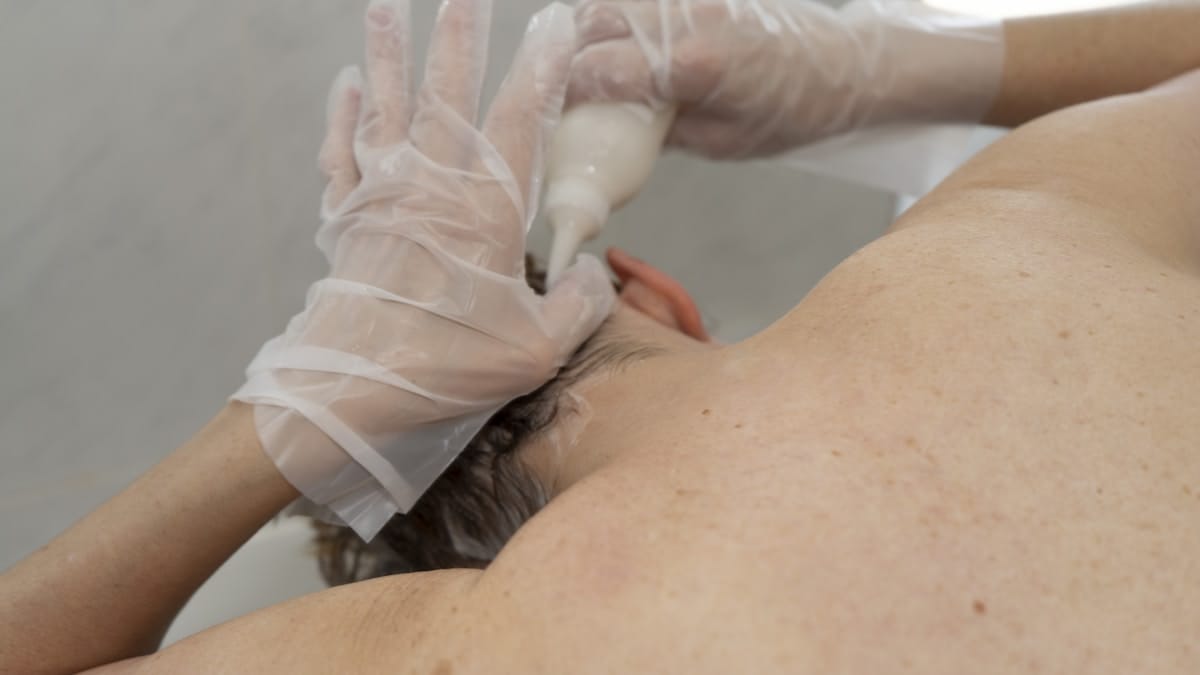
Microneedling = little needles creating controlled micro-injuries. Those injuries trigger growth signals and increase permeability for serums. Clinics use devices with adjustable needle lengths; at-home rollers are shorter and cheaper.
Costs and visit frequency
- At-home dermaroller: $30–$80. Needle length typically 0.25–0.5 mm.
- Professional microneedling: $200–$700 per session in cities like New York or Chicago. Needle length 0.5–2.5 mm depending on protocol.
- Optimal clinic schedule: 4–6 sessions spaced 4–6 weeks apart for initial course; maintenance varies.
I had three clinic sessions (Chicago, $325 each) and used a topical peptide serum after sessions. The second month showed the most visible baby hairs — thin but promising.
Pros and cons in practice
- Pros: Faster potentiation of topicals, occasional sessions, fewer daily chores.
- Cons: Minor downtime, infection risk if done poorly, cost per session adds up.
Side-by-side: costs, time, and visible gains
Let’s be blunt — consumers care about money, time, and results. Here’s a real comparison from my tests and U.S. market research.
| Metric | Laser Cap | Microneedling (Clinic) | Microneedling (At-home) |
|---|---|---|---|
| Upfront cost | $399–$999 | $200–$700 per session | $30–$80 |
| Time commitment | Daily 15–30 minutes | Monthly sessions (30–60 min) | Weekly 10–20 minutes |
| Typical visible results | 4–9 months | 3–6 months when combined with serums | 3–6 months (weaker than clinic) |
| Best paired with | Topical serums, minoxidil | Topical PRP or peptides | Peptide serums, minoxidil |
Interpretation
If you want a single purchase and daily habit, laser caps are cost-effective over a year. If you prefer targeted boosts and are willing to pay per session, professional microneedling can give a stronger initial signal, especially with topical boosters or PRP.
How I tested at-home devices in U.S. conditions
My protocol: baseline photos in natural light (NYC window), consistent shampoo schedule, and no other new systemic hair meds. I logged weekly photos and subjective notes on density and texture.
Important: climate and lifestyle matter. Dry winter in Minneapolis changes how hair feels. Sweaty summers in Miami affect scalp hygiene. I adjusted routines accordingly.
A note on pairing with topicals
Microneedling and laser caps work far better when combined with sensible topical choices. For a detailed breakdown of supplements and topical comparisons, I recommend the Beaute Cosmetic guide to hair growth supplements, which helped me choose complementary vitamins during the trials.
Which to choose: quick buyer’s guide for U.S. shoppers
Ask yourself three questions: How much will I commit? What’s my budget? Do I tolerate downtime?
- If you want hands-off consistency: buy a laser cap. Expect to spend $399–$999 — check warranty and FDA marketing claims.
- If you want targeted boosts and don’t mind clinic trips: book microneedling sessions in a reputable office in major U.S. cities. Expect $200–$700 per session.
- If you’re experimenting cheap: start with an at-home dermaroller ($30–$80) and a proven peptide serum or minoxidil if you tolerate it.
I personally kept the cap for nightly use and scheduled microneedling every 6–8 weeks for an initial bundle of three sessions. That combo gave the most consistent improvements for me.
Where to shop and what to check
- Buy laser caps through official retailers or clinics to avoid counterfeit devices.
- If booking microneedling, confirm clinician credentials and needle sterilization procedures.
- In U.S. cities, seasonal promotions often drop prices around Black Friday — I snagged my midrange cap during a November sale in Philadelphia for $50 off.
Common mistakes people make with hair growth devices
Mistake one: expecting results in 4 weeks. Patience is the unsung ingredient here. Mistake two: doing microneedling at home with long needles — that crosses into danger. Mistake three: buying a cheap cap with unclear energy specs and hoping for clinical results.
Another error: treating a device like a standalone cure. Devices boost outcomes when combined with good scalp care, nutrition, and sometimes topical medications.
Safety tips
- Follow device instructions and don’t increase treatment time beyond recommendations.
- For microneedling, avoid active scalp infections and seek a clinician if you have keloid tendency.
- Check manufacturer claims and read independent reviews; the U.S. FDA has pages explaining microneedling device approvals and guidance for consumers here: FDA microneedling devices.
Extra resources and reading—scientific and practical
If you like the dry nerdy stuff, the American Academy of Dermatology has useful consumer information about hair loss that I referred to while interpreting studies: AAD hair loss info. I prefer focusing on what actually translates to regular life: time, cost, and safety.
For a focused look at red light caps in 2026, I wrote a roundup of the top models and real-world results — it’s practical if you’re leaning toward buying a cap: Top 5 Red Light Therapy Hair Caps for Thinning Hair 2026.
Practical routines I recommend (one for each budget)
Budget-friendly (under $100)
- At-home dermaroller (0.25–0.5 mm) once weekly.
- Affordable peptide serum nightly after rolling.
- Track photos every 4 weeks.
Mid-tier ($300–$700)
- Purchase a midrange laser cap and use 4–5 times weekly for 20 minutes.
- Alternate with monthly microneedling at a clinic (1–3 sessions initially).
- Add a topical peptide serum or minoxidil if tolerated.
Premium (clinic-focused)
- Clinic microneedling + PRP or peptide booster every 4–6 weeks for 3 sessions.
- Supplement with an at-home laser cap for maintenance.
- Expect higher costs but faster synergy when done correctly.
My honest verdict after 9 months
I saw modest density gains with the cap by month 5 and thinner hairs filling slightly by month 7. Microneedling sessions created noticeable baby hairs sooner, but maintenance was the cost bottleneck. Combining both—laser cap nightly and microneedling at 6–8 week intervals—gave the best cosmetic results for me. Your mileage will vary by genetics and baseline hair loss stage, but this combo felt like a reliable routine worth the investment.
Frequently Asked Questions
Do laser caps really work for hair regrowth?
Yes, laser caps using low-level laser therapy can produce modest hair density and thickness improvements for many users, typically visible after 4–9 months of consistent use. They work best when combined with sensible scalp care or topical treatments.
Is microneedling better than laser caps?
They’re different tools. Microneedling often gives a stronger boost when paired with topical serums and may show earlier baby hairs, but it requires clinic visits or careful at-home practice. Laser caps are lower effort and safer for daily maintenance.
How much does microneedling cost in the U.S.?
Professional sessions generally range from $200 to $700 per session depending on city and clinic. At-home rollers cost $30–$80, but results are typically slower compared with clinic procedures.
Can I use microneedling and a laser cap together?
Yes. Many users (myself included) combine a laser cap for daily stimulation with periodic microneedling sessions to potentiate topical absorption and accelerate visible gains.
Are there risks with at-home microneedling?
Yes. Improper technique, unclean equipment, or excessive needle length can cause infection, scarring, or poor outcomes. Stick to recommended needle sizes and hygiene practices, or see a licensed clinician.
So where does that leave you? If convenience and steady maintenance win your vote, a reputable laser cap is a sensible first step — especially for busy people in cities like Seattle or Houston who want low-effort routines. If you’re chasing faster cosmetic changes and don’t mind clinic visits or small downtime, microneedling paired with a strong topical or PRP is more aggressive and often more visible. Personally, I kept both: a nightly cap plus periodic microneedling gave the most consistent, realistic gains for my thinning crown.
For readers in the U.S., check local clinic credentials, compare brand warranties, and think of devices as long-term habits rather than quick fixes. If you’d like my shopping checklist or a monthly planner I kept during testing, I can share it — I’d rather help you spend smarter than waste money on hype.
- Recent developments regarding Hair growth devices positively affect user experiences.
- Experts recommend following the steps specified in this guide for using hair growth devices.
- Innovations in the field of hair growth devices are expected to expand further with future updates.
In summary, to achieve success in the field of hair growth devices, it is necessary to follow current developments and shape strategies accordingly. You can share your experiences or questions about hair growth devices in the comments section.
Frequently Asked Questions
What is hair growth devices?
hair growth devices is a topic of high search volume and strategic importance in the digital space.
Why is hair growth devices Important?
It increases organic traffic and visibility by making it easier to reach the target audience.