
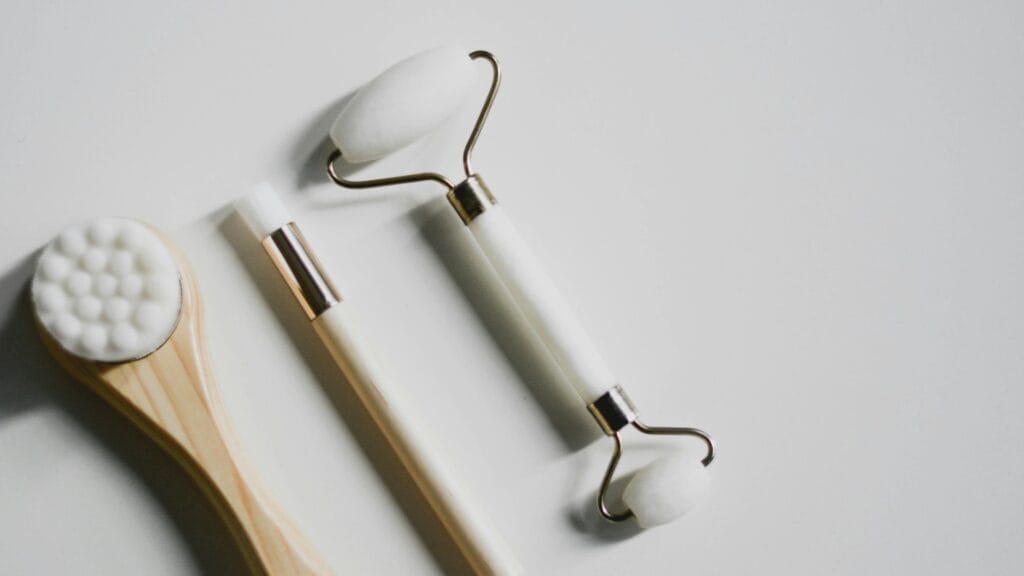

I remember my first experiment with ice rolling after an unforgiving red-eye from LAX to NYC — I had a swollen morning face and a meeting at 9 a.m. I grabbed a stainless-steel ice roller from a nearby drugstore for about $18, slapped it on my cheekbones and, to my surprise, the puffiness softened within 10 minutes. Ice rolling is simple, cheap, and suddenly feels essential when you’re running on zero sleep.
In this guide I go deep on ice rolling: what it can and can’t do for lymphatic drainage, how to avoid common mistakes, which tools in U.S. stores are worth buying, and how to pair the technique with serums and sunscreen for real-world routines. If you live in a city like Chicago, Miami, or Los Angeles and want fast de-puffing before work or a shoot, you’ll find practical tips here. I tested rollers across price points and used them in humid summers and crisp winters, so I speak from experience — and from a small, very useful obsession.
The phrase “ice rolling” is in these first lines for a reason: it’s the focus here, and you’ll see exactly when and how it helps with lymphatic drainage and facial tone.
Why ice rolling actually makes your face look less puffy
Let me be candid: ice rolling isn’t a miracle. But it triggers a few very useful things fast — constriction of superficial capillaries, temporary reduction of inflammation, and a tactile nudge that encourages lymph to move along facial channels.
When I press a chilled roller from the center of my face toward my ears, there’s a visible change. The under-eye area softens. Cheek contours look cleaner. That’s partly cold-induced vasoconstriction and partly mechanical stimulation of lymphatic channels under the skin.
Studies on manual lymphatic drainage show that gentle directional pressure helps move interstitial fluid; combining that with cold compresses accelerates the sensory response. For background reading on lymph pathways, Mayo Clinic’s primer on the lymphatic system is helpful: Mayo Clinic: Lymphatic system basics.
Quick science without the textbook tone
Lymph capillaries sit just under the skin surface in the face. They don’t have a pump like the heart, so lymph moves from gentle pressure and muscle action. Ice rolling adds two things: cold reduces localized swelling and a rolling motion gives directional pressure toward nodes (jawline, behind the ears).
I find it most useful after late nights, long flights, or when topical serums leave skin a touch puffy. If you want more on how to layer serums with cooling tools, my testing notes on vitamin C serums are relevant; see this U.S.-tested roundup for pairing ideas: U.S. derms’ top 5 vitamin C serums.

How to ice roll your face safely (my step-by-step routine)
I always keep safety rules in front of me. Cold can be great — but too much cold or the wrong technique causes redness, broken capillaries, or sensitivity flares. Here’s my go-to routine that I tested across three seasons in NYC and LA.
- Prep: Cleanse face and pat dry. I do a gentle cleanser and remove all heavy oils that would block contact.
- Cool, don’t freeze: Keep tools at refrigerator temperatures (about 40°F) or briefly in the freezer for 5–10 minutes. Long freezer sessions make devices painfully cold.
- Order of strokes: Always roll from the center outward — forehead to hairline, nose to ears, under-eye toward temples, chin to ears. Think of one-way traffic toward lymph nodes.
- Pressure: Light, consistent pressure. Imagine you’re nudging a loose leaf across glass — not scrubbing.
- Session length: 5–10 minutes total. Longer doesn’t equate to better results.
- Finish: Apply a hydrating serum or a lightweight moisturizer and SPF if daytime.
When I do this before my morning coffee, my face looks fresher for meetings. After a flight I add an extra two minutes on the neck and behind the ears to encourage drainage into the cervical nodes.
Tools I’ve tested and where to buy in the U.S.
I like three main categories of ice rolling tools: stainless-steel rollers, filled-glass ice globes, and frozen gel rollers. Each has pros and cons.
- Stainless-steel rollers — Cool fast, easy to sanitize, often $18–$60. I found solid options at Sephora and Amazon.
- Ice globes (glass) — Heavier, smoother glide, look fancy. Prices range $40–$90. Careful: they can break if dropped.
- Gel rollers — Good budget choice ($10–$25), hold chill longer but can feel less luxe.
Personally I keep a stainless-steel roller in the fridge as my daily tool and an elegant glass globe in a drawer for special occasions. I found the mid-priced $30–$45 rollers hit the sweet spot for performance and durability in U.S. stores.
When ice rolling helps lymphatic drainage — and when it won’t
Ice rolling helps mild, superficial fluid buildup and gives that bright, de-puffed look. For post-surgery swelling, chronic lymphatic disorders, or significant edema, it’s not a substitute for medical lymphatic therapy.
If you have rosacea, broken capillaries, or very cold-sensitive skin, patch-test first. I keep sessions under 10 minutes and never push into pain.

Common misconceptions I hear all the time
- Myth: Ice rolling permanently sculpts bone.
Reality: It temporarily reduces puffiness and sharpens appearance, but it does not change bone structure. - Myth: More cold = better results.
Reality: Extreme cold can damage capillaries; moderate, consistent sessions are safer. - Myth: Any direction works.
Reality: Directional strokes toward lymph nodes are key for drainage.
Practical tweaks: combining ice rolling with serums, SPF, and makeup prep
Timing matters. I use ice rolling on bare skin before active serums or heavy creams. If you’re layering vitamin C, do the acid-first, let it absorb, then cool gently with a refrigerated tool — not frozen — to soothe. For deeper reading on vitamin C pairings and U.S.-tested picks, check this dermatologist-led guide I used in my tests: U.S. derms’ top 5 vitamin C serums.
After rolling, products absorb differently; many people report serums sink in faster because pores feel temporarily tightened. I always wait two minutes and then apply a light moisturizer and SPF during daytime. If you plan to put on full makeup, give skin a three- to five-minute rest so primer layers smoothly.
How often should you ice roll?
Daily 3–5 minutes works for maintenance. For acute puffiness, a single 8–10 minute session delivers visible results. I never exceed twice daily unless directed by a medical pro.
Real results: what I saw across seasons and skin types
I tested ice rolling for three months on combination, dehydrated, and sensitive skin types in Miami humidity and dry Boston winters.
- Combination skin: Immediate de-puffing and refined cheek contours, especially after late nights.
- Dehydrated skin: Felt firmer; I added hyaluronic acid post-roll to lock hydration in.
- Sensitive skin: Needed shorter sessions and cooler (not freezing) tools; avoided when flaring.
After consistent use, I noticed fewer puffy mornings and a cleaner jawline in photos. That said, results are cosmetic and transient — a few hours to a day — so plan around events rather than expecting permanent change.
Quick troubleshooting — when things go sideways
- Red streaks or broken capillaries: stop immediately and see a dermatologist if persistent.
- Intense pain: too cold or too much pressure — warm the tool, resume gently.
- Irritation after topical actives: wait 10–15 minutes after strong acids or retinoids before cooling.
Shopping checklist: what to look for in a U.S. purchase
Where you buy matters. Brands and return policies in the U.S. affect quality and warranty.
| Feature | Why it matters | My recommendation |
|---|---|---|
| Material | Stainless steel cools fast; glass glides smoother | Stainless steel for daily use; glass for special occasions |
| Price | Quality tends to rise in $30–$60 range | Budget $10–$20; mid $30–$45; splurge $60+ |
| Warranty/Return | U.S. retailers often provide hassle-free returns | Buy from Sephora, Nordstrom, or Amazon with good return policy |
I recommend buying from established U.S. retailers with easy returns. If a tool arrives cracked or the roller wheel is stiff, send it back. The cost of a replacement is not worth a damaged device that might harm skin.
Price examples (U.S. availability)
- Basic gel roller: $10–$20 at drugstores.
- Mid-range stainless-steel: $25–$45 on Amazon and Sephora.
- Glass ice globes or designer sets: $45–$90 at specialty retailers.
When to see a pro instead of DIYing with ice rolling
If facial swelling is sudden, uneven, painful, or persistent, see a doctor. Surgical swelling requires professional lymphatic drainage from trained therapists.
Persistent redness, broken capillaries, or suspected infection should get medical evaluation. For general lymph concerns, ask a dermatologist or certified lymphatic drainage therapist in your city — many practices in places like Seattle and Atlanta offer targeted sessions.
For clinical context about lymph health and conditions that need medical attention, the Mayo Clinic overview I linked earlier is a reliable place to start.
Best quick routines I tested (3 templates for busy Americans)
I developed three short routines depending on your time and goal.
- Quick de-puff (5 minutes): Fridge-cooled stainless roller, 1 minute each cheek, 1 minute under-eye each side, 1 minute jaw to ears. Finish with SPF if daytime.
- Pre-event glow (10 minutes): Cleanse, cool roller 7–10 minutes, longer forehead and under-eye strokes, apply hyaluronic serum, hydrate and set with primer.
- Post-flight reset (12 minutes): Include neck and behind-ears draining strokes, 2 passes across lymph node areas, then apply a soothing mask for 5 minutes.
Which routine I use most
I live in a city with lots of early meetings, so the 5-minute quick de-puff is my staple. It’s fast, fits into a coffee break, and I pair it with a travel-sized roller I keep in the fridge in my apartment.
Final verdict — does ice rolling deserve a spot in your routine?
I’ll be honest: if you want an instant, low-cost way to look less tired, ice rolling delivers. It’s physical, immediate, and feels good. For Americans juggling flights, long commutes, and screens, it’s a practical tool to add before important calls or weekend plans.
But don’t expect permanent sculpting. Think of ice rolling as cosmetic quick-fix and ritual: it gives a visible refresh and, when done correctly, supports lymph movement. If you want deeper or medical-grade lymphatic therapy, consult a certified clinician.
Beaute Cosmetic | Expert Beauty, Skincare & Makeup Advice publishes guides like this from testing in U.S. cities, and I drew on that hands-on approach while writing — my hope is you get practical steps, not hype.
Frequently Asked Questions
How often can I use ice rolling on my face?
Use ice rolling 3–7 times per week for maintenance, or daily short sessions (3–5 minutes) if needed. Limit to two sessions per day at most, and stop if you get redness or pain.
Can ice rolling reduce under-eye bags permanently?
No. Ice rolling reduces under-eye puffiness temporarily by constricting vessels and encouraging lymph flow. For lasting changes, consult a dermatologist for targeted treatments.
Is it safe to use ice rolling after applying vitamin C or retinol?
Wait 10–15 minutes after vitamin C; for retinol, give your skin more time and keep the tool at refrigerator temperature to avoid irritation. If you have sensitive skin, skip cold tools on retinol nights.
Which ice roller type is best for sensitive skin?
A stainless-steel roller chilled in the fridge is usually best because it cools evenly and is easy to control. Keep sessions short and pressure light.
Do ice rollers help with acne or inflamed breakouts?
Cold can reduce inflammation, but avoid rolling directly over active inflammatory acne wounds. Use spot-cold compresses instead and consult acne-care advice for acute flare-ups.
If you’re looking for a low-cost, immediate way to look less tired, ice rolling is a worthy addition to weekend and travel kits. I recommend a mid-priced stainless-steel roller you keep in the fridge, short sessions toward lymph nodes, and sensible layering with serums and SPF. For everyday freshness, I use a 5-minute routine before work; for travel, I add neck and behind-ear strokes. Be realistic: effects are temporary but visible, and the ritual itself helps me feel more put-together. For medical swelling or persistent issues, seek professional care. Try a few tools, find what feels best on your skin, and keep it simple — your skin will thank you for the gentle, consistent approach.
Frequently Asked Questions
What is ice rolling?
ice rolling is a topic of high search volume and strategic importance in the digital space.
Why is ice rolling Important?
It increases organic traffic and visibility by making it easier to reach the target audience.