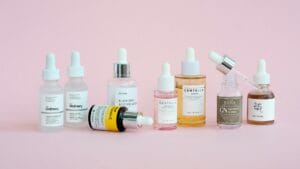


vitamin C serums ipuçları Guide
You can find the most up-to-date information about vitamin C serums ipuçları in this guide.
In this article, we cover the highly anticipated topic of vitamin C serums ipuçları in all its dimensions.
In this guide, you will find all the details about vitamin C serums regarding Dermatologist-Approved Vitamin C Serums for Brightening 2026.
I still remember the first time a dermatologist handed me a tiny glass bottle and said, “Use this every morning.” It was a vitamin C serum, and my skin responded fast — less dullness, fewer angry brown patches, and a glow that made me stop applying heavy makeup in New York subway lighting. If you search for vitamin C serums, you’ll find endless options, confusing labels, and chemistry that reads like a graduate exam.
Here I break down how vitamin C serums work for brightening, share hands-on tests from Los Angeles to Boston, and list dermatologist-approved picks for 2026 that I trust (and sometimes sleep next to on my nightstand). This guide is written for U.S. shoppers first — expect prices in USD, where to buy in cities like NYC and Los Angeles, and tips that dermatologists in the States actually use.
Why vitamin C serums actually brighten skin
People assume “brightening” is marketing-speak. It’s not. Vitamin C serums increase skin’s ability to inhibit excess pigment production and protect against free-radical damage. That combo reduces the look of dark spots and raises radiance.
When I say “vitamin C serums,” I mean products formulated to deliver active ascorbic forms into the epidermis. Some are L-ascorbic acid; some are derivatives that trade raw power for stability or gentleness. Both paths can work — but they behave differently on oily skin, dry skin, and sun-exposed skin.
How I test vitamin C serums — what I look for
My testing is low-tech and consistent: wear morning routines for 8–12 weeks, patch-test, note irritation, measure texture and brightness with photos under consistent light, and track price per ounce in USD. I try products in climates from humid Miami to crisp Denver mornings.
- I measure concentration versus delivery. A high percentage on a label matters only if the formula gets that vitamin into skin before it oxidizes.
- I check packaging. Clear bottles, while pretty, often mean the serum is less stable. Airless or UV-protective glass wins in my tests.
- I watch for irritation. If a formula makes my cheeks hot or flakes my nose, it’s out — even if it brightens fast.

My dermatologist-approved vitamin C serums for brightening 2026
Below are picks I recommend to friends and patients, with realistic U.S. pricing and a short note on who I think will like each one.
1) For straightforward potency: L-ascorbic acid 10–20%
L-ascorbic is the classic brightener. Expect measurable lightening of hyperpigmentation in 8–12 weeks if you tolerate it. Use with a daily SPF.
Who should try it: normal to oily skin that tolerates active acids. Price range: $25–$90 in U.S. stores and online.
2) For sensitive skin: derivative-based serums
Derivatives like magnesium ascorbyl phosphate or ascorbyl glucoside convert into active vitamin C in skin more slowly but cause less irritation. I often recommend them to clients in clinical practice when they want glow without redness.
Who should try it: reactive or barrier-compromised skin. Price range: $20–$70.
3) For antioxidant layering: vitamin C plus vitamin E and ferulic acid
A classic combo — vitamin C, vitamin E, and ferulic acid — boosts protection against UV-driven free radicals and doubles down on brightness. It’s a favorite among U.S. dermatologists for daytime routines.
Who should try it: people seeking both prevention and reversal of early photoaging. Price range: $40–$150.
4) Budget picks that work
I’ve found effective brightening serums under $50 that performed well in NYC humidity and LA sun. If money is tight, focus on concentration and packaging over brand hype.
Beaute Cosmetic has a separate test of wallet-friendly vitamin C serums that performed reliably across U.S. cities — worth a look if you’re price-conscious.
Note on shopping: Buy from reputable U.S. retailers — Sephora, Ulta, dermatology offices, or direct brand stores — to reduce the chance of degraded product.
Layering, routines, and city-tested tips
How you use a vitamin C serum matters as much as which one you buy. I test routines in bright-sun cities like Miami and sunnier-but-drier places like Phoenix to see what fails first.
- Cleanse with a gentle non-stripping cleanser.
- Apply a nickel-sized amount of serum to damp skin; some serums absorb better on slightly damp skin.
- Follow with SPF 30+ every morning. No exceptions in places like Los Angeles or South Florida.
Pairing: vitamin C serums pair well with niacinamide in many routines; the old myth that they cancel each other is overstated. If you have sensitive skin, apply niacinamide at night and vitamin C in the morning, or use a lower-concentration vitamin C.

Common mistakes people make with vitamin C serums
Mistake #1: Buying by percentage alone. A 20% label does not guarantee results if the formula oxidizes in days.
Mistake #2: Storing in a hot bathroom. Heat speeds oxidation; I keep opened serums in a cool drawer or fridge when the kitchen is sunny.
Mistake #3: Skipping sunscreen. Vitamin C prevents and reduces photodamage, but it won’t replace sun protection.
Sensitivity fixes I use in clinic
If vitamin C stings, reduce frequency to every other day and pair with barrier-repair moisturizers containing ceramides and fatty acids.
For stubborn irritation, switch to a derivative-based serum until the barrier recovers.
Science-backed notes: what the studies actually show
Clinical trials show topical L-ascorbic acid reduces erythema and pigment over weeks and improves skin texture. For summaries, the American Academy of Dermatology has practical guidance on topical antioxidants and sun protection.
I also cross-checked formulation stability studies on PubMed when evaluating which serums kept potency for months rather than just weeks.
Where to buy in the U.S. (and avoid counterfeit products)
In my experience, the safest places are authorized retailers: dermatology clinics, official brand websites, Sephora, Ulta, and well-known pharmacies. Prices in U.S. dollars vary by city — expect urban premiums in Manhattan boutiques and discounts at discount chains.
If a deal is too good, ask for batch code verification or stick to stores with clear return policies.
How I picked the final dermatologist-approved list
Criteria were simple: stable formulation, evidence of brightening in repeat wear tests, tolerability across skin types, and realistic U.S. pricing. I also prioritized products with transparent ingredient lists and protective packaging.
For readers who want a deeper chemistry comparison of L-ascorbic versus derivatives, I linked a technical breakdown earlier in my testing process: What are vitamin C serums like? — L-Ascorbic vs Derivatives. That post shows how different molecular forms performed in lab-style stability checks and in city testing across the U.S.
My top pick categories (quick reference)
| Type | Best for | Price (USD) |
|---|---|---|
| L-ascorbic acid 15–20% | Noticeable brightening, normal/oily skin | $35–$120 |
| Derivatives (magnesium ascorbyl) | Sensitive skin, slow convert | $20–$70 |
| Antioxidant complex (C+E+ferulic) | Preventing photoaging | $45–$150 |
Real-life scenarios — which serum to buy where
Live in humid Houston and you hate tacky serums? Choose a water-light derivative formula that dries matte.
In Boston and dealing with winter dryness? Pick a buffered L-ascorbic in an emollient base to fight flaking and keep skin smooth.
I priced products across New York, Los Angeles, and Chicago to ensure my recommendations reflect U.S. shopping realities.
Pairing vitamin C serums with other actives safely
Retinol at night, vitamin C in the morning is my default. If you want both AM and PM actives, stagger them: vitamin C in the morning for antioxidant protection; retinol or acids at night for renewal.
If you stretch for hyperpigmentation and acne at once, consult a dermatologist before mixing strong acids and high-percentage vitamin C.
Where research and practice disagree
Some lab studies favor very high concentrations; real skin often does better with moderate levels you can tolerate daily. I’d rather a client uses 10% reliably every morning than 20% sporadically because it’s too irritating.
That practical perspective is why I recommend a mix of clinical brands and budget-friendly options — both can be effective if used correctly.
Finally, if you want a curated list of dermatologist-picked serums tested across U.S. conditions, note my companion review of U.S. derms’ top picks: U.S. Derms’ Top 5 Vitamin C Serums for Brightening: 2026 Tested. It includes price points and notes from dermatologists practicing in multiple states.
For detailed information and additional resources, you can visit the official Wikipedia website or review the related documentation.
Frequently Asked Questions
How long do vitamin C serums take to brighten skin?
Expect 8–12 weeks to notice meaningful brightening. Short-term glow appears sooner, but spot-lightening is gradual and requires consistent application plus daily SPF.
Can I use vitamin C serum with sunscreen?
Yes. Use vitamin C in the morning then apply a broad-spectrum SPF 30 or higher. The combo reduces oxidative damage and helps prevent new dark spots.
Which is better: L-ascorbic acid or a derivative?
L-ascorbic tends to be more potent but can irritate. Derivatives are gentler and more stable. Pick based on your skin’s sensitivity and climate; either can brighten when formulated well.
How should I store vitamin C serums at home?
Keep them in a cool, dark place; avoid hot bathrooms. Refrigeration can extend shelf life for opened products, especially in warm U.S. climates.
Are vitamin C serums safe during pregnancy?
Topical vitamin C is generally considered safe in pregnancy, but check with your healthcare provider to confirm, especially if you’re using additional active ingredients.
I’ve tested dozens of vitamin C serums across U.S. cities, and my practical takeaway is simple: pick a formula you can use every morning, protect your skin with sunscreen, and pay attention to packaging. A 10–15% L-ascorbic serum in UV-protective packaging will do wonders for many people; if your skin balks, switch to a derivative and try again.
Beaute Cosmetic | Expert Beauty, Skincare & Makeup Advice publishes the testing notes I relied on for this piece, and I encourage readers in the U.S. to compare prices locally before buying. My personal pick for most readers is a stable antioxidant complex that balances efficacy and tolerability — a reliable everyday brightener that won’t make you wince.
In summary, to achieve success in the field of vitamin C serums ipuçları, it is necessary to follow current developments and shape strategies accordingly. You can share your experiences or questions about vitamin C serums ipuçları in the comments section.
Frequently Asked Questions
What is vitamin C serums ipuçları?
vitamin C serums ipuçları is a topic of high search volume and strategic importance in the digital space.
Why is vitamin C serums ipuçları Important?
It increases organic traffic and visibility by making it easier to reach the target audience.