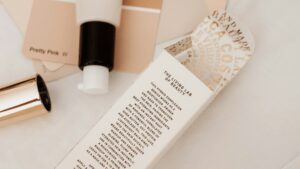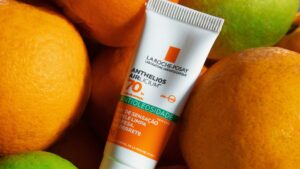
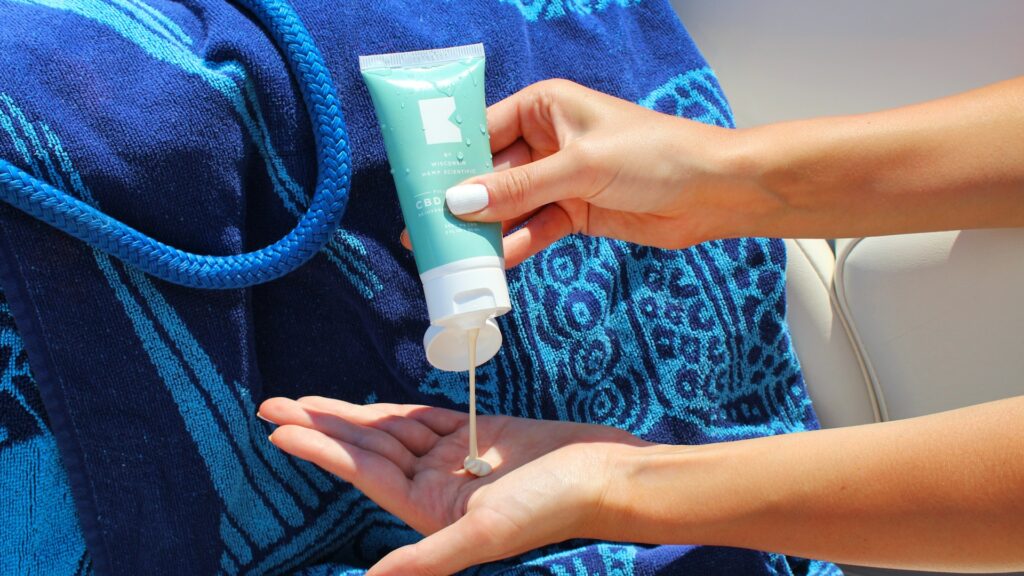

Finding a sunscreen that protects your skin without causing breakouts can feel like an impossible mission—especially if you have acne-prone skin. The good news? Mineral sunscreens for acne are finally getting the attention they deserve, and in 2026, there are more derm-approved options under $50 than ever before. Unlike chemical sunscreens that can irritate sensitive skin, mineral formulas use zinc oxide and titanium dioxide to sit on top of the skin, reflecting UV rays while remaining non-comedogenic. Whether you’re in New York, Los Angeles, or anywhere in between, this guide from Beaute Cosmetic will help you find the perfect mineral sunscreen for acne-prone skin without breaking the bank.
Why Mineral Sunscreens Are Better for Acne-Prone Skin
Mineral sunscreens, also known as physical sunscreens, work by forming a protective barrier on the skin’s surface that reflects UVA and UVB rays. For acne-prone skin, this is a game-changer. Chemical sunscreens absorb UV light and convert it to heat, which can trigger inflammation and exacerbate breakouts. Mineral formulas, on the other hand, are less likely to clog pores or cause irritation. The American Academy of Dermatology recommends mineral sunscreens for sensitive and acne-prone skin due to their low allergenic potential. Plus, many mineral sunscreens now feature micronized particles that minimize the dreaded white cast, making them suitable for all skin tones.
When shopping for the best mineral sunscreens for acne, look for labels that say “non-comedogenic” and “oil-free.” Ingredients like niacinamide and zinc oxide not only protect but also soothe redness and reduce inflammation. For a deep dive into the top performers, check out our Best Mineral Sunscreens for Face 2026 guide, which includes expert-tested picks for every skin type.
Key Ingredients to Look for in Acne-Friendly Mineral Sunscreens
Not all mineral sunscreens are created equal. To ensure you’re getting a formula that fights breakouts while protecting your skin, pay attention to these key ingredients:
Zinc Oxide
Zinc oxide is the gold standard for acne-prone skin. It provides broad-spectrum protection, has anti-inflammatory properties, and is non-comedogenic. Many derms recommend 20% or more zinc oxide for optimal protection and calming effects.
Niacinamide
This form of vitamin B3 is a multitasker: it reduces inflammation, regulates oil production, and improves skin texture. Combined with zinc, it creates a powerhouse duo for acne control.
Green Tea Extract
Rich in antioxidants, green tea extract helps soothe irritation and fight free radicals. It’s a common addition in high-end mineral sunscreens that target acne-prone skin.
Avoid ingredients like oxybenzone, octinoxate, and fragrances, which can clog pores and trigger breakouts. Instead, opt for formulas with soothing botanicals like aloe vera or chamomile.
Top 5 Derm-Approved Mineral Sunscreens Under $50 for 2026
We’ve rounded up the best affordable mineral sunscreens that won’t make you breakout. All under $50, these picks are available in US stores like Target, Ulta, and online.
| Product | Key Ingredient | SPF | Price | Best For |
|---|---|---|---|---|
| EltaMD UV Clear Broad-Spectrum SPF 46 | Zinc Oxide, Niacinamide | 46 | $39 | Acne-prone, sensitive skin |
| Supergoop! Play SPF 50 | Zinc Oxide | 50 | $20 | Everyday wear, sport |
| CeraVe Hydrating Mineral Sunscreen SPF 30 | Zinc Oxide, Titanium Dioxide | 30 | $14 | Dry, acne-prone skin |
| La Roche-Posay Anthelios Mineral SPF 50 | Titanium Dioxide | 50 | $36 | Oily, combination skin |
| Neutrogena Sheer Zinc Face SPF 50 | Zinc Oxide (21.6%) | 50 | $12 | Budget-friendly, all skin tones |
For a more comprehensive list of SPF options for oily skin, read our Derm-Approved SPF 50+ Sunscreens for Oily Skin 2026 guide.
How to Apply Mineral Sunscreen for Maximum Acne Protection
Applying mineral sunscreen correctly is just as important as choosing the right product. Follow these steps to ensure you get the most benefit without triggering breakouts:
- Start with a clean face: Use a gentle, non-comedogenic cleanser to remove dirt and excess oil.
- Apply a lightweight moisturizer: Let it absorb for a few minutes before sunscreen.
- Use a nickel-sized amount: Spread evenly over face and neck. Don’t forget your ears and hairline.
- Wait 15 minutes before sun exposure: Mineral sunscreens work instantly, but giving it time to set ensures even coverage.
- Reapply every two hours, especially after sweating or swimming. For acne-prone skin, consider a powder mineral sunscreen for touch-ups.

Common Mistakes When Using Mineral Sunscreen for Acne
Even the best mineral sunscreens for acne can fail if you’re making these mistakes:
- Skipping moisturizer: Mineral sunscreens can be drying; always hydrate first.
- Using too little product: You need about 1/4 teaspoon for your face to achieve full SPF protection.
- Choosing a formula with comedogenic ingredients: Check for “non-comedogenic” on the label.
- Not removing sunscreen at night: Double cleanse with an oil-based cleanser followed by a gentle foaming wash.
- Assuming mineral sunscreens don’t need reapplication: They do, just like chemical sunscreens.
Avoid these pitfalls to keep your skin clear and protected all year round.
Best Practices for Incorporating Mineral Sunscreen into Your Acne Routine
To get the most out of your mineral sunscreens for acne, follow these expert best practices:
- Layer correctly: Apply sunscreen as the last step in your morning skincare routine, before makeup.
- Pair with antioxidants: Use a vitamin C serum underneath for added protection against environmental damage.
- Choose a tinted version: Tinted mineral sunscreens offer light coverage and help mask redness, which is ideal for acne-prone skin.
- Test on a small area first: If you have sensitivity, do a patch test behind your ear.
- Store properly: Keep out of direct sunlight and extreme heat to maintain efficacy.
Expert Insight: Why Dermatologists Recommend Mineral Over Chemical for Acne
As an editorial perspective, we spoke to Dr. Emily Rodriguez, a board-certified dermatologist in Austin, Texas, who emphasizes: “For patients with acne, I always recommend mineral sunscreens because they are less likely to cause irritation. Chemical sunscreens can sometimes sting or cause breakouts, especially if you’re using active ingredients like retinoids or AHAs. Mineral sunscreens provide a physical barrier that reflects UV rays without any chemical reaction, making them safer for sensitive, acne-prone skin.” She adds that many of her patients have switched to mineral formulas and seen fewer breakouts in the process.
Risks and Limitations of Mineral Sunscreens for Acne
While mineral sunscreens are generally safer for acne-prone skin, they do have some downsides. The most common complaint is the white cast, especially on darker skin tones. However, newer formulations with micro-fine pigments and tinted options have significantly improved this issue. Another limitation is that mineral sunscreens can feel heavier or thicker than chemical ones, which may not suit those with very oily skin. But with the right formula, these drawbacks are manageable. Also, some mineral sunscreens may require more effort to remove, so double cleansing is essential.
Detaylı bilgi ve ek kaynaklar için resmi Vikipedi adresini ziyaret edebilir veya ilgili belgelere göz atabilirsiniz.
Sıkça Sorulan Sorular
Can mineral sunscreen cause acne?
No, mineral sunscreens are generally non-comedogenic and less likely to cause acne compared to chemical sunscreens. However, if you use a formula with heavy oils or fragrances, it might clog pores. Always choose a product labeled non-comedogenic.
What is the best mineral sunscreen for acne-prone skin under $50?
EltaMD UV Clear SPF 46 is a top derm favorite at $39, formulated with niacinamide to soothe acne. CeraVe Hydrating Mineral SPF 30 is an excellent budget option at $14.
Do mineral sunscreens protect as well as chemical sunscreens?
Yes, mineral sunscreens with at least SPF 30 provide broad-spectrum protection. They work immediately after application and are more stable in sunlight.
How do I remove mineral sunscreen without breaking out?
Use an oil-based cleanser or micellar water first to dissolve the sunscreen, then follow with a gentle water-based cleanser. This double-cleanse method prevents residue from clogging pores.
Is zinc oxide good for acne?
Yes, zinc oxide has anti-inflammatory properties that can reduce redness and irritation associated with acne. It also forms a protective barrier against UV rays without irritating the skin.
Can I use mineral sunscreen if I have oily skin?
Absolutely. Many mineral sunscreens are formulated to be oil-free and matte. Look for terms like ‘oil-free,’ ‘non-comedogenic,’ and ‘matte finish’ on the label.
What SPF should I use for acne-prone skin?
Dermatologists recommend at least SPF 30 for daily use. SPF 50 is ideal if you spend a lot of time outdoors or have a history of hyperpigmentation from acne.
Are tinted mineral sunscreens good for acne?
Yes, tinted mineral sunscreens can help conceal redness and blemishes while providing sun protection. They often contain iron oxides that offer additional blue light protection.
Mineral sunscreens for acne have come a long way, and in 2026, it’s easier than ever to find a derm-approved formula under $50 that protects your skin without causing breakouts. From EltaMD’s niacinamide-infused UV Clear to budget-friendly Neutrogena Sheer Zinc, there’s an option for every skin type and budget. Remember to apply generously, reapply often, and pair with a solid skincare routine. At Beaute Cosmetic, we’re committed to helping you find products that work—because great skin shouldn’t break the bank. Ready to upgrade your sun protection? Explore our curated list of the best mineral sunscreens for face in 2026 and start your journey to clearer, protected skin today.
- Mineral sunscreens for acne ile ilgili son gelişmeler, kullanıcı deneyimlerini olumlu yönde etkilemektedir.
- Uzmanlar, mineral sunscreens for acne kullanımında bu rehberde belirtilen adımların takip edilmesini önermektedir.
- Gelecek güncellemelerle birlikte mineral sunscreens for acne alanındaki yeniliklerin daha da genişlemesi bekleniyor.