
minoxidil red light therapy konusunda Topical Minoxidil vs Red Light Therapy: Cost and Effectiveness 2026 hakkında hazırladığımız bu rehberde tüm detayları bulacaksınız.
Hair loss affects millions of Americans, and two of the most popular non-surgical treatments are topical minoxidil and red light therapy (also known as low-level laser therapy or LLLT). But which delivers better results for the cost in 2026? At Beaute Cosmetic, we’ve analyzed clinical data, consumer reviews, and current pricing to give you an evidence-based comparison. Whether you’re battling male pattern baldness or thinning due to aging, understanding the pros, cons, and long-term value of minoxidil red light therapy options can save you time and money. In this guide, we break down effectiveness, upfront and recurring costs, safety, and lifestyle factors to help you make an informed decision tailored to your needs.
How Minoxidil and Red Light Therapy Work
Topical minoxidil, originally developed as a blood pressure medication, works by increasing blood flow to hair follicles and prolonging the anagen (growth) phase. It’s available over-the-counter as a 2% or 5% solution or foam, with the 5% concentration being the most common for men. Minoxidil is FDA-approved and has decades of clinical evidence supporting its efficacy in regrowing hair, particularly on the crown. However, it requires consistent daily application and can cause side effects like scalp irritation or unwanted facial hair growth if accidentally transferred.
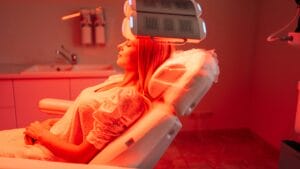
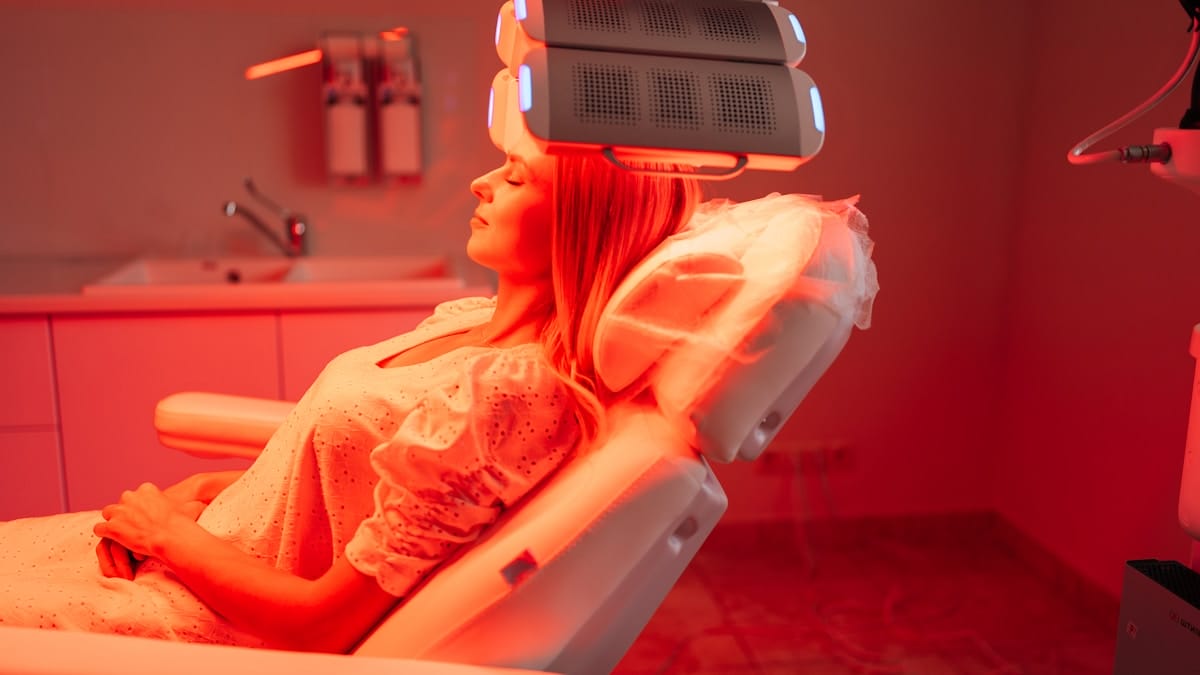
Red light therapy uses specific wavelengths of red or near-infrared light (typically 650 nm to 850 nm) to stimulate cellular mitochondria, promoting ATP production and increasing blood flow to the scalp. This process, called photobiomodulation, can revive dormant follicles and reduce inflammation. LLLT devices include laser caps, combs, and helmets that are FDA-cleared as safe for home use. Unlike minoxidil, red light therapy is painless and non-invasive, but it requires consistent use over several months to see results.
Both treatments target different mechanisms: minoxidil primarily acts as a vasodilator and follicle stimulant, while red light therapy improves cellular energy metabolism. Some users combine both for synergistic effects, but this article focuses on comparing them as standalone options.
Cost Comparison: Upfront and Annual Expenses
When evaluating minoxidil red light therapy costs, it’s crucial to consider both initial and ongoing expenses. Minoxidil is inexpensive: a 3-month supply of Kirkland Signature minoxidil 5% (a popular generic brand) costs around $15–$20 at Costco or Amazon. Annual cost: approximately $60–$80. Brand-name Rogaine is slightly pricier at about $45 for a 3-month supply, totaling $180 per year. These costs are low and predictable.
Red light therapy devices, on the other hand, require a significant upfront investment. A high-quality laser cap like the iRestore Laser Hair Growth System costs $695–$895, while the HairMax LaserComb is around $350–$500. The Illumiflow Laser Cap and Theradome Helmet range from $499 to $899. Some devices offer financing plans. Once purchased, there are no recurring costs except for occasional replacement batteries or LED bulbs (which last thousands of hours). Annual cost after purchase: $0–$50. Over a 5-year period, minoxidil at $80/year totals $400, while a $700 laser cap averages $140/year. The breakeven point is around 2–3 years depending on the device price.
Below is a side-by-side cost comparison based on typical 2026 retail prices in the United States.
| Treatment | Upfront Cost | Annual Recurring Cost | 5-Year Total Cost |
|---|---|---|---|
| Topical Minoxidil (Kirkland 5%) | $0 (first purchase ~$20) | $80 | ~$400 |
| Topical Minoxidil (Rogaine 5%) | $0 (first purchase ~$45) | $180 | ~$900 |
| Red Light Therapy Cap (iRestore) | $795 | $0 | ~$795 |
| Red Light Therapy Comb (HairMax) | $449 | $0 | ~$449 |
Effectiveness: What the Evidence Says
Minoxidil Clinical Results
Studies show minoxidil 5% can produce visible hair regrowth in 40–60% of users after 4–6 months of twice-daily use. Results are best on the vertex (crown) and less effective on the frontal hairline. Continued use is necessary to maintain gains; stopping leads to shedding within a few months. Side effects include scalp dryness, itching, and transient increased shedding initially (the dreaded “minoxidil dread shed”).
Red Light Therapy Evidence
A 2023 meta-analysis of 11 randomized controlled trials found that LLLT significantly increased hair density and thickness compared to sham devices, with improvements seen after 16–26 weeks. Typical results: a 15–30% increase in hair counts. Devices cleared by the FDA (like iRestore and HairMax) have supportive clinical data. Patient satisfaction is generally high, with no major side effects reported. However, LLLT may be less effective for advanced baldness (Norwood stages 5–7).
Direct head-to-head trials comparing minoxidil red light therapy are scarce. A 2024 study from the Journal of Dermatological Treatment compared minoxidil 5% versus LLLT cap (650 nm, 30 minutes daily) over 24 weeks. Both groups showed significant improvement, but minoxidil users achieved slightly higher hair counts on the crown. LLLT users reported greater satisfaction regarding ease of use and lack of scalp irritation.
Benefits of Each Treatment
- Minoxidil: Low upfront cost, proven track record, widely available without prescription, supports hair regrowth on the crown, can be combined with other treatments.
- Red Light Therapy: No side effects (non-invasive, painless), no chemical residue, low long-term cost after initial purchase, convenient home use, FDA-cleared devices, may improve hair quality and reduce inflammation.
Risks and Limitations
Minoxidil can cause contact dermatitis, unwanted facial hair growth from accidental transfer, and initial shedding that may discourage users. It is not effective for everyone, especially those with long-standing, severe hair loss. Red light therapy requires consistent use (often daily for 20–30 minutes) and visible results may take 4–6 months. The upfront cost is a barrier for some. Additionally, not all devices are created equal; choose FDA-cleared models with published studies. Both treatments require patience and compliance; neither works overnight.
Expert Insight: Which Treatment Should You Choose?
As an editorial perspective, dermatologists often recommend minoxidil as a first-line treatment due to its proven efficacy and low cost. However, for patients who cannot tolerate minoxidil or desire a non-chemical option, red light therapy is a valuable alternative. At Beaute Cosmetic, we’ve seen readers successfully combine both, using minoxidil in the morning and the laser cap at night. For those on a tight budget, generic minoxidil offers the best bang for the buck. If you prefer a “set it and forget it” approach, investing in a high-quality laser cap may pay off over time. We always advise consulting a board-certified dermatologist before starting any hair loss regimen.
Common Mistakes to Avoid
- Expecting instant results – both treatments require 4–6 months of consistent use.
- Using minoxidil on wet hair or in excess (more is not better).
- Choosing a red light device without FDA clearance or published studies.
- Stopping treatment abruptly – you’ll lose any regrowth.
- Ignoring underlying health issues (thyroid, iron deficiency) that can cause hair loss.
- Failing to follow instructions (e.g., wearing the laser cap for too long per session).
Best Practices for Optimal Results
- Apply minoxidil twice daily to a dry scalp and massage gently.
- Use red light therapy as directed – typically 20–30 minutes every other day.
- Take progress photos every month to track changes.
- Maintain a healthy diet rich in iron, zinc, and biotin. For supplement comparisons, see our guide on Minoxidil vs Redensyl 2026.
- Combination therapy (minoxidil + LLLT) may yield better results than either alone.
- Keep a consistent schedule – consistency is key for both approaches.
Conclusion: Making the Right Choice for 2026
Both topical minoxidil and red light therapy are legitimate, scientifically-backed hair loss treatments. Minoxidil offers affordable, proven results but requires daily commitment and may cause side effects. Red light therapy requires a larger upfront investment but is side-effect-free and convenient over the long term. For most U.S. consumers, starting with minoxidil is cost-effective; if you can afford the initial purchase, adding LLLT enhances results. At Beaute Cosmetic, we recommend evaluating your budget, lifestyle, and hair loss severity. Consult a dermatologist, and remember that consistency matters more than which method you choose. For further reading, check out our Scalp Microneedling Cost Comparison 2026 for another popular treatment option.
Detaylı bilgi ve ek kaynaklar için resmi Vikipedi adresini ziyaret edebilir veya ilgili belgelere göz atabilirsiniz.
Sıkça Sorulan Sorular
Can I use minoxidil and red light therapy together?
Yes, combining minoxidil and red light therapy is safe and may produce better results than either alone. Many users apply minoxidil in the morning and use the laser cap at night. Always follow product instructions and consult your dermatologist.
How long does it take to see results from red light therapy for hair?
Most clinical studies show initial improvements after 12–16 weeks of consistent use, with optimal results visible at 6 months. Individual results vary based on the severity of hair loss and adherence to the regimen.
Does minoxidil work on the hairline?
Minoxidil is most effective on the crown/vertex and less proven for the frontal hairline. Some studies show modest regrowth along the hairline, but it is not as reliable as for the crown. Red light therapy may be more beneficial for the hairline in some cases.
Is red light therapy FDA-approved for hair loss?
Many red light therapy devices are FDA-cleared (not approved) as medical devices for promoting hair growth. This means they have demonstrated safety and equivalence to similar devices. Always choose a device with FDA clearance.
Which is more cost-effective: minoxidil or laser cap?
Minoxidil is more cost-effective in the short term (first 1–2 years). Over 5 years, a laser cap may be cheaper if the upfront cost is under $700. Generic minoxidil at ~$80/year is hard to beat for affordability.
Can red light therapy regrow hair on a bald spot?
Red light therapy is most effective for thinning areas with active follicles. It may not regrow hair on completely bald spots (e.g., Norwood 6-7). It works best when used early in the hair loss process.
Does minoxidil cause weight gain?
Weight gain is not a common side effect of topical minoxidil. When used orally, minoxidil can cause fluid retention, but topical application has minimal systemic absorption. Any weight increase is likely unrelated.
How often should I use a laser cap for hair growth?
Most manufacturers recommend using a laser cap for 20–30 minutes every other day, or as specified in the device manual. Consistency is key; skipping sessions may delay results.
Choosing between minoxidil and red light therapy for hair regrowth in 2026 comes down to your budget, tolerance for side effects, and commitment to daily routines. Minoxidil remains the gold standard for its low cost and solid evidence, while red light therapy offers a hands-free, chemical-free alternative with excellent long-term value. At Beaute Cosmetic, we recommend starting with a dermatologist consultation and considering combination therapy for accelerated results. Whichever path you choose, stick with it for at least 6 months to see real improvements. Your hair journey is a marathon, not a sprint.
- Minoxidil red light therapy ile ilgili son gelişmeler, kullanıcı deneyimlerini olumlu yönde etkilemektedir.
- Uzmanlar, minoxidil red light therapy kullanımında bu rehberde belirtilen adımların takip edilmesini önermektedir.
- Gelecek güncellemelerle birlikte minoxidil red light therapy alanındaki yeniliklerin daha da genişlemesi bekleniyor.