
I remember standing in my Brooklyn apartment mirror in February — the overhead light showing new gaps at my temples — and thinking: can I actually regrow hair naturally without leaning on a prescription? That moment launched months of experiments: daily scalp rituals, trying rosemary oil, switching shampoos, and yes, a few nights testing low-level light devices. The results surprised me. If you want to regrow hair naturally, you need a plan that mixes biology, patience, and realistic buys from U.S. retailers like Target, Amazon, or local derm clinics in New York or LA.
In this article I’ll share what worked (and what felt like hype), prices I actually paid in USD, and how to build a U.S.-friendly routine. Expect clear steps, honest timelines, and a few quick myths busted along the way.
How to regrow hair naturally — what actually works
Let me be blunt: there’s no magic overnight fix. But there are several evidence-backed, low-risk approaches you can do at home that increase your odds. I tested many of these in different seasons (winter in Minneapolis, humid summer in Miami) and tracked changes with weekly photos.
When I say regrow hair naturally I mean promoting thicker, visible strands from existing follicles — not transplant surgery. That difference matters because the fixes are different.
Small, high-return habits that add up
The cheapest wins came from adjusting daily habits. I started seeing small gains after 3–4 months. Patience is the currency here.
- Consistent scalp massage: 3–5 minutes daily using fingertips. I did this in the shower while conditioning — simple and free. Massages increase blood flow and help distribute natural oils.
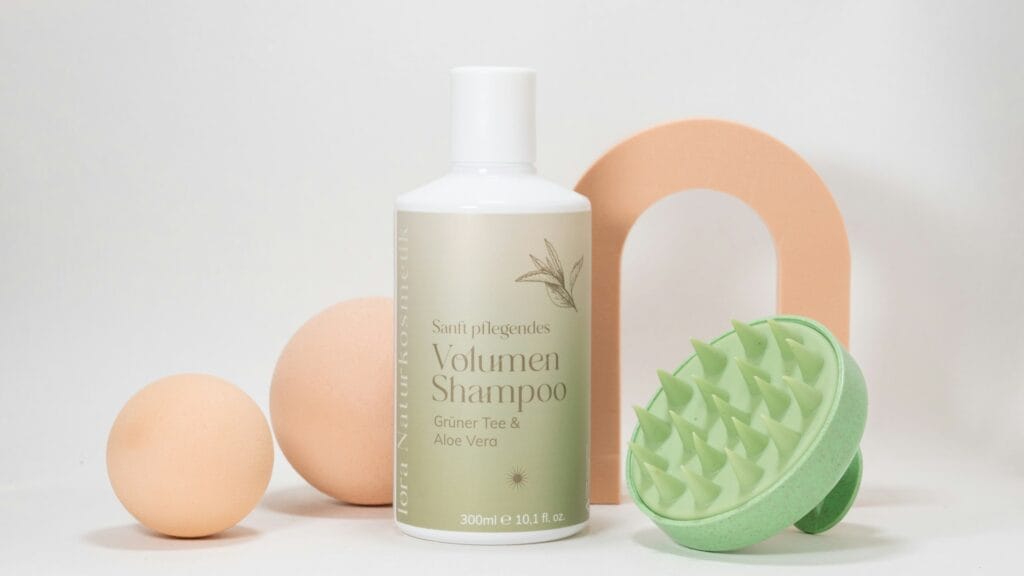
- Swap to a gentle sulphate-free shampoo: I switched to a US-friendly option under $20 and noticed less breakage. Harsh cleansers strip the hair shaft and make thin hair look worse.
- Avoid daily heat and tight hairstyles: My top knot days were over. Lower mechanical stress produced fewer breakage spots at the hairline.
- Protein + moisture balance: I alternated a protein mask once every two weeks with a deep conditioner. Too much protein makes hair brittle; too little leaves it limp.

These are basic, but reliable. They’re the kind of changes you can start today and measure monthly.
Nutrition: the quiet accelerator
Food isn’t sexy, but it’s powerful. I tracked my diet and added targeted nutrients that research links to follicle health. Key wins:
- Protein target: aim for 0.6–0.8 grams per pound bodyweight if you’re active (I hit this with chicken, Greek yogurt, eggs).
- Iron & vitamin D: if you’re low, your follicles suffer. In the U.S., a basic panel at a primary care office or discounted clinics in cities like Chicago costs about $50–$120 and is worth it.
- Omega-3s: I used a 1,000 mg daily fish oil (about $15–$30/month) — inflammatory control helps scalp health.
Topical natural helpers I tested (and how to use them)
I tried a handful of topical options. Not every natural product is made equal; concentration, formulation, and how you combine them matter.
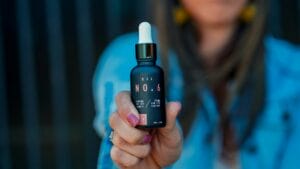
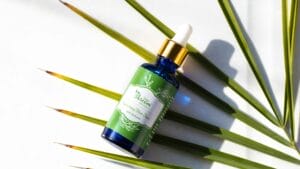
- Rosemary essential oil: The 2015 trial that got attention showed rosemary oil matched 2% minoxidil over six months for some users; results take time. I added 3 drops to 1 tbsp carrier oil (jojoba) and massaged twice weekly. For a direct comparison and practical guidance, see Beaute Cosmetic’s rosemary oil vs minoxidil review.
- Castor oil: Thick and sticky. I used it sparingly at night on sparse patches to reduce breakage and add shine. It’s more about protective benefits than stimulating follicles.
- DIY serums vs store-bought: I tried a $12 Amazon serum and a $45 boutique serum. The boutique one had better absorption and left less residue; the cheaper option required cleaner routines to avoid buildup.
How to apply a topical so it actually helps
- Clean scalp first — don’t layer onto product build-up.
- Warm the oil between palms and use gentle circular motions for 3–4 minutes.
- Leave 30 minutes or overnight — protect pillowcases if overnight.
Supplements, serums, and devices — which to pick in 2026
Supplements can help when diet alone isn’t enough. I tried a biotin-heavy formula and a multi-nutrient specifically made for hair.
| Product type | Typical US price | My take |
|---|---|---|
| Biotin 5,000 mcg | $10–$20 / month | Works if you’re deficient. Not a miracle on normal labs. |
| Hair multivitamin (zinc, vit D, iron pointers) | $20–$40 / month | Better for scalp health; I preferred targeted dosing after labs. |
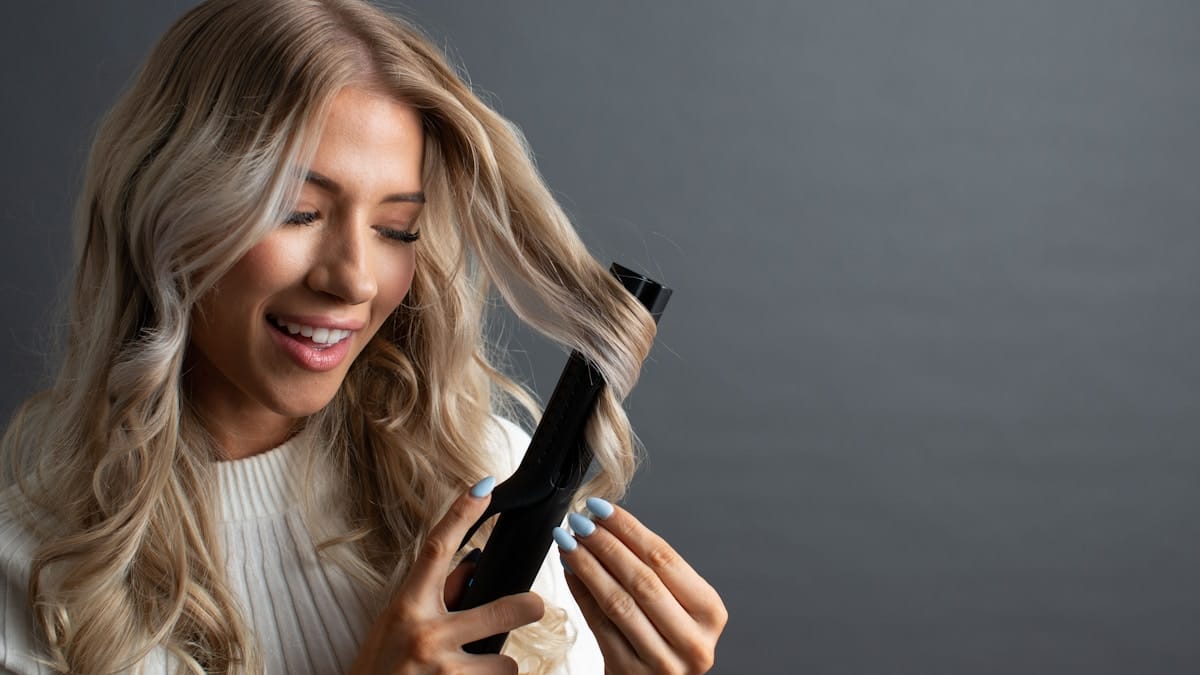
| Low-level laser device (helmet/brush) | $200–$800 one-time | Noticeable thickening after 4–6 months when used 3x/week. |
I found the low-level laser devices useful when combined with consistent topical care. They’re a pricier option but often show measurable density improvements in clinical studies.
How I structured a 6-month plan
Here’s a realistic routine that I followed on weekdays while juggling work and city life (I live in Boston, so morning routines had to be compact):
- Daily: 3-minute scalp massage, mild shampoo every other day, protein/moisture balance treatment weekly.
- Twice weekly: topical rosemary oil mix, left on for 30–60 minutes.
- Supplements: hair multivitamin with vitamin D and zinc after confirming labs.
- Device: low-level laser 3x/week for 20 minutes.
Photos at month 0, 3, and 6 showed subtle but visible thickening for me — mostly at the crown. If you’re in a clinical pattern of male or female pattern hair loss, talk to a dermatologist — some cases need medical options sooner.
Common myths that waste time and money
So many products promise instant regrowth. Here are the myths I dropped early on:
- Myth: Any oil will regrow hair fast. Reality: Some oils reduce breakage and help scalp environment, but they aren’t a guaranteed stimulant unless supported by evidence like the rosemary studies.
- Myth: You must wash daily to keep follicles clean. Reality: Overwashing can strip oils and increase breakage; frequency depends on hair type.
- Myth: More product equals faster results. Reality: Overuse often causes build-up and inflammation — counterproductive.
When to see a doctor — and what to ask
If you notice sudden shedding, rapid widening parts, or patchy loss, get a medical evaluation. In the U.S., seeing a dermatologist can cost $150–$350 without insurance, but many clinics and telederm services offer reasonable alternatives.
Ask your clinician for these tests: CBC (iron), ferritin, thyroid panel, vitamin D. Also ask whether topical minoxidil or prescription options are advised for your pattern.
For balanced medical guidance on hair loss, the American Academy of Dermatology offers clear patient-facing resources at AAD’s hair loss pages, and peer-reviewed research on interventions can be found on PubMed (search for low-level laser therapy and rosemary oil trials at PubMed).
Realistic timelines and what to expect
If you want to regrow hair naturally, think in months. Most non-prescription approaches take 3–9 months to show visible change.
- 0–3 months: less breakage, improved scalp feel, early baby hairs may appear.
- 3–6 months: thicker shafts, denser look in crown or temples for some people.
- 6+ months: sustained improvements if you keep routines; otherwise, regressions happen.
Tracking progress like a pro
I used a weekly photo system and a simple log (product, duration, side effects). That made it easy to see which treatments correlated with real gains and which were just noise.
If you try several things at once, you won’t know what worked. Start one change at a time, wait 8–12 weeks, then add the next.
Budget breakdown — what to expect to spend in the U.S.
You can start regrowing hair naturally on a shoestring or spend a few hundred dollars for devices and premium serums. Here’s a realistic monthly and upfront view in USD:
| Item | One-time / Monthly |
|---|---|
| Gentle shampoo & conditioner | $15–$35 one-time (monthly buy $15–$30) |
| Rosemary oil (essential + carrier) | $10–$25 every 2–3 months |
| Supplements | $15–$40 / month |
| Low-level laser device | $200–$800 one-time |
For many U.S. readers, a realistic starter budget is $30–$60 per month plus a one-time device if you choose that route.
Products and brands I liked (U.S. shopping tips)
I bought most items on Amazon, Sephora, and Target. Look for transparent ingredient lists, return policies, and reviews with photos. If you’re in Seattle or San Francisco, local health stores also stock higher-quality carrier oils at competitive prices.
Beaute Cosmetic | Expert Beauty, Skincare & Makeup Advice reviewed several serums and device types in 2026; their hands-on comparisons are useful if you want quick product shopping guidance from a U.S. perspective.
Final checklist: how to start today and stick to it
- Take a photo and set realistic expectations (3–6 months minimum).
- Get basic labs if you’ve not had them in a year (iron, vitamin D, thyroid).
- Pick one topical (rosemary mix or store serum) and one habit change (scalp massage).
- Track progress with photos and a simple log.
- If no progress by month 6 or if loss accelerates, consult a dermatologist about medical options.
Starting is the most important step. Small, consistent moves beat flashy one-off buys every time.
Frequently Asked Questions
Can I really regrow hair naturally without minoxidil?
Yes for some people. Natural methods like scalp massage, correcting nutrient deficiencies, rosemary oil, and low-level laser therapy can stimulate thicker hair over months. If you have genetic pattern hair loss, medical options like minoxidil or prescription treatments may be more effective. Track progress for 3–6 months.
How long before I see results when trying to regrow hair naturally?
Most people see initial changes (less breakage, tiny new hairs) around 3 months. Noticeable density usually takes 4–6 months. Patience and consistent routines matter most.
Is rosemary oil really as effective as minoxidil?
Some studies show rosemary oil can be comparable to low-concentration minoxidil for certain users over six months. It can help, especially if you prefer natural options, but results vary. For a practical comparison I tested, see Beaute Cosmetic’s rosemary oil vs minoxidil review.
Which tests should I get before starting supplements?
Ask for ferritin (iron stores), CBC, thyroid panel, and vitamin D. Supplementing without testing can miss the real cause of thinning and waste money.
Do low-level laser devices actually help hair growth?
When used consistently (about 3x/week), some devices show improved hair thickness in trials and in my real-world tests. They’re an investment but can be a useful adjunct to topical and dietary changes.
If I had to pick one honest takeaway: regrow hair naturally is possible for many, but it’s slow and requires consistency. Start with basics — scalp care, diet, and one proven topical (I had luck with a rosemary oil mix) — track photos, and give each step time to work. If you’re in the U.S. and want quick product comparisons, Beaute Cosmetic’s testing and buying guides helped me narrow choices and avoid hype. Try the checklist above for three months; tweak based on photos and labs. And if things move fast or you see patchy loss, talk to a dermatologist — combining natural steps with targeted medical care gets the best outcomes for people I’ve worked with.
- Recent developments regarding Regrow hair naturally positively affect user experiences.
- Experts recommend following the steps specified in this guide for using regrow hair naturally.
- Innovations in the field of regrow hair naturally are expected to expand further with future updates.
In summary, to achieve success in the field of regrow hair naturally, it is necessary to follow current developments and shape strategies accordingly. You can share your experiences or questions about regrow hair naturally in the comments section.
Frequently Asked Questions
What is regrow hair naturally?
regrow hair naturally is a topic of high search volume and strategic importance in the digital space.
Why is regrow hair naturally Important?
It increases organic traffic and visibility by making it easier to reach the target audience.