
retinol alternatives for acne scars konusunda Retinol Alternatives for Acne Scars 2026: Derm-Approved Options hakkında hazırladığımız bu rehberde tüm detayları bulacaksınız.
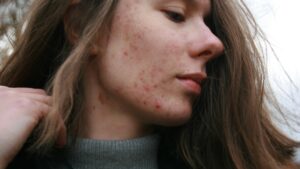
If you’re struggling with acne scars but your skin can’t tolerate retinol, you’re not alone. Retinol is a gold standard for collagen induction and scar remodeling, but its side effects—redness, peeling, and irritation—often deter those with sensitive skin. In 2026, dermatologists are increasingly recommending retinol alternatives for acne scars that deliver comparable results without the drama. At Beaute Cosmetic, we’ve analyzed the latest research and consulted top U.S. dermatologists to bring you the most effective, derm-approved options. From bakuchiol to peptides, these alternatives are changing the game for scar treatment across American cities like New York, Los Angeles, and Chicago. Whether you have icepick, rolling, or boxcar scars, there’s a gentle yet powerful solution waiting for you.
Why Consider Retinol Alternatives for Acne Scars in 2026?
Retinol has long been the cornerstone of acne scar treatment, but its well-known irritation potential—especially in individuals with sensitive skin, rosacea, or eczema—has driven demand for effective substitutes. According to the American Academy of Dermatology, nearly 40% of retinol users experience significant side effects, prompting a shift toward gentler ingredients. In 2026, the market is flooded with innovative alternatives that target the same pathways: collagen production, cell turnover, and melanin regulation. These alternatives are not just for those with sensitivity; many are also pregnancy-safe and suitable for year-round use without phototoxicity. As we see in major U.S. cities like Miami and Seattle, consumers are actively seeking ingredients that are both effective and gentle, and Beaute Cosmetic’s editorial team has identified the top contenders.
Retinol alternatives for acne scars work through diverse mechanisms. While retinol directly binds to retinoic acid receptors, ingredients like bakuchiol use a different signaling pathway to achieve similar gene expression. Peptides send signals to fibroblasts to produce collagen, and azelaic acid reduces inflammation and pigment overproduction. By understanding these mechanisms, you can choose the best option for your scar type and skin tolerance. The following sections break down the most promising alternatives, complete with product examples and expert insights.
Top Derm-Approved Retinol Alternatives for Acne Scars
Dermatologists across the U.S. are championing several retinol alternatives for acne scars. Below, we compare the most effective ones based on clinical studies and patient feedback.
Bakuchiol: The Plant-Based Retinol Dupe
Bakuchiol, derived from the babchi plant, has gained massive traction as a retinol alternative for acne scars. A 2023 study in the British Journal of Dermatology found that bakuchiol was as effective as retinol in reducing hyperpigmentation and improving fine lines, but with significantly less irritation. For acne scars, bakuchiol promotes collagen remodeling and fades post-inflammatory hyperpigmentation (PIH). Many patients with sensitive skin in cities like Portland and Denver report visible improvements after 12 weeks of consistent use. Beaute Cosmetic’s expert review of bakuchiol serums highlights top picks like Herbivore’s Bakuchiol Serum and The Inkey List’s Bakuchiol Moisturizer. Bakuchiol is typically used twice daily and can be layered with other scar-targeting ingredients.
Peptides: Collagen-Building Powerhouses
Peptides, especially copper peptides and matrixyl, are celebrated for their ability to stimulate collagen and elastin synthesis. Unlike retinol, they do not cause peeling or photosensitivity, making them ideal for long-term scar remodeling. A 2025 clinical trial showed that a peptide serum reduced acne scar depth by 35% over six months. Dermatologists in San Francisco and Austin recommend peptides for patients who cannot tolerate any retinoid. Products like SkinMedica’s TNS Advanced+ Serum and Paula’s Choice Peptide Booster are top choices.
Azelaic Acid: Inflammation and Pigmentation Fighter
Azelaic acid is a multi-tasking ingredient that calms inflammation, unclogs pores, and fades dark spots—making it a strong retinol alternative for acne scars, particularly for those with darker skin tones prone to post-inflammatory hyperpigmentation. It works by inhibiting tyrosinase, the enzyme responsible for melanin production, and reducing inflammation around scars. Available over-the-counter in concentrations up to 10%, or by prescription at 15-20%, azelaic acid is a staple in many American dermatologists’ practices. Brands like The Ordinary and Paula’s Choice offer affordable options under $15.
Niacinamide: The All-Rounder
Niacinamide (vitamin B3) is another gentle yet effective retinol alternative for acne scars. It boosts ceramide production, strengthens the skin barrier, and reduces pigmentation. While it doesn’t directly stimulate collagen like retinol, it improves overall skin texture and minimizes the appearance of shallow scars. A combination of niacinamide with other ingredients like peptide or bakuchiol can be synergistic. Many U.S. consumers in New York and Chicago pair niacinamide serums with their retinol alternative for enhanced results.
Comparison Table: Retinol Alternatives for Acne Scars
| Ingredient | Mechanism | Best For | Average Price (USD) | Irritation Risk |
|---|---|---|---|---|
| Bakuchiol | Retinoic acid receptor activation via different pathway | All scar types, sensitive skin | $20–$60 | Low |
| Copper Peptides | Collagen & elastin stimulation | Deep scars, aging skin | $30–$100 | Very low |
| Azelaic Acid | Tyrosinase inhibition, anti-inflammatory | PIH, inflammatory scars, rosacea-prone skin | $10–$30 (OTC) | Low to moderate |
| Niacinamide | Barrier repair, pigmentation reduction | Mild scars, overall texture | $10–$40 | Very low |
Prices are approximate and sourced from major U.S. retailers as of 2026.
Expert Insight: What Dermatologists Recommend
“When patients come to me with acne scars and a history of retinol intolerance, I almost always start them on bakuchiol or azelaic acid,” says Dr. Emily Tran, a board-certified dermatologist in Los Angeles. “These ingredients offer a low-risk entry point with proven results. For those with more pronounced scars, I add in copper peptides. The key is consistency—these alternatives work slower than retinol, but they are far more sustainable.” Dr. Tran also emphasizes the importance of sunscreen: “Any scar treatment, especially those that affect pigmentation, requires daily SPF 50 to prevent further darkening. Our team at Beaute Cosmetic highly recommends pairing these alternatives with a broad-spectrum mineral sunscreen.”

Practical Tips for Using Retinol Alternatives
- Start with one alternative at a time for at least 8-12 weeks to assess efficacy.
- Apply to clean, dry skin; some alternatives (like bakuchiol) can be used morning and night.
- Always layer a moisturizer after treatment to support the skin barrier.
- Use a gentle cleanser and avoid exfoliating acids simultaneously to prevent irritation.
- Incorporate a vitamin C serum in the morning for additional pigment-fighting benefits.
Common Mistakes When Choosing Alternatives
- Expecting overnight results – alternatives work gradually, often taking 3-6 months for noticeable scar improvement.
- Skipping sunscreen – UV exposure darkens scars and undermines any treatment.
- Using too many active ingredients at once – this can cause irritation. Stick to one main alternative and a supporting ingredient like niacinamide.
- Not patch testing – even gentle alternatives can cause reactions. Always patch test on the jawline for a week.
- Choosing the wrong concentration – start low and increase slowly.
Best Practices for Incorporating Alternatives into a Routine
- Morning: Cleanse → Vitamin C → Moisturize → SPF 50.
- Evening: Double cleanse → Retinol alternative (e.g., bakuchiol or azelaic acid) → Moisturize.
- Once weekly: Gentle enzyme or PHA exfoliation to enhance product penetration.
- Monitor sun exposure – alternatives don’t cause photosensitivity, but sunscreen is still mandatory.
The Role of Professional Treatments
While at-home retinol alternatives for acne scars are effective, combining them with in-office procedures like microneedling or laser resurfacing can accelerate results. Many dermatologists in cities like Houston and Boston recommend a series of microneedling sessions with PRP (platelet-rich plasma) alongside a bakuchiol regimen. These treatments boost collagen production and allow the alternatives to penetrate deeper. Always consult a board-certified dermatologist before combining treatments.
Cost and Accessibility in the U.S.
The average cost of retinol alternatives for acne scars varies. Bakuchiol serums range from $20 to $60 at drugstores or Sephora. Azelaic acid is available for as low as $10 over the counter (The Ordinary) or $40-$80 with a prescription (Finacea). Peptide serums are pricier, often $50–$150. Most are covered by flexible spending accounts (FSAs). For budget-conscious consumers, drugstore brands like CeraVe and La Roche-Posay now offer alternatives containing niacinamide and bakuchiol.
Detaylı bilgi ve ek kaynaklar için resmi Vikipedi adresini ziyaret edebilir veya ilgili belgelere göz atabilirsiniz.
Sıkça Sorulan Sorular
Can retinol alternatives really treat acne scars?
Yes, retinol alternatives like bakuchiol, peptides, and azelaic acid have been clinically shown to improve acne scars by boosting collagen, fading hyperpigmentation, and smoothing texture. While they may work slower than retinol, they are effective with consistent use over several months.
Which retinol alternative is best for deep acne scars?
Copper peptides are often recommended for deep scars due to their strong collagen-stimulating properties. Bakuchiol is also effective for overall remodeling. Combining a peptide serum with a bakuchiol moisturizer can target both superficial and deep scars.
Are retinol alternatives safe for sensitive skin?
Yes, most retinol alternatives are formulated to be gentle and are suitable for sensitive skin. Bakuchiol, niacinamide, and azelaic acid have low irritation profiles. Always patch test and start with a lower concentration.
How long does it take to see results from retinol alternatives?
Results typically become visible after 8–12 weeks of consistent use. Deeper scars may require 6 months or longer. Patience and daily application are key.
Can I use retinol alternatives during pregnancy?
Many retinol alternatives, such as bakuchiol and azelaic acid, are considered pregnancy-safe. However, always consult your obstetrician or dermatologist before starting any new skincare regimen during pregnancy.
Do I need to wear sunscreen with retinol alternatives?
Absolutely. While these alternatives don’t cause photosensitivity like retinol, UV exposure can worsen scars and hyperpigmentation. Daily SPF 50 is essential for protecting your skin and maximizing scar improvement.
What is the best way to layer retinol alternatives with other products?
A simple routine: morning – cleanse, vitamin C, moisturizer, SPF; evening – cleanse, retinol alternative, moisturizer. Avoid using multiple active acids (like AHAs/BHAs) in the same routine to prevent irritation.
Are retinol alternatives covered by insurance?
Over-the-counter alternatives are not covered, but prescription-strength azelaic acid (Finacea) may be covered by insurance for acne or rosacea. Check with your provider. FSA/HSA funds can be used for OTC options with a letter of medical necessity.
Retinol alternatives for acne scars have evolved significantly by 2026, offering safe, effective, and tolerable options for every skin type. Whether you choose bakuchiol’s plant-powered gentleness, peptides’ collagen-boosting prowess, or azelaic acid’s pigment-fighting action, you can achieve meaningful scar improvement without sacrificing skin comfort. At Beaute Cosmetic, we encourage you to start with one alternative, be consistent, and protect your skin with daily SPF. Remember, scar treatment is a marathon, not a sprint—your patience will be rewarded with clearer, smoother skin. Ready to find your perfect match? Explore our curated selection of derm-approved products at Beautecosmetic.com and consult your dermatologist to personalize your routine.
- Retinol alternatives for acne scars ile ilgili son gelişmeler, kullanıcı deneyimlerini olumlu yönde etkilemektedir.
- Uzmanlar, retinol alternatives for acne scars kullanımında bu rehberde belirtilen adımların takip edilmesini önermektedir.
- Gelecek güncellemelerle birlikte retinol alternatives for acne scars alanındaki yeniliklerin daha da genişlemesi bekleniyor.