
Hydrocolloid acne patches have taken the skincare world by storm, promising to flatten pimples overnight. But do hydrocolloid acne patches really work? We asked a board-certified dermatologist to separate fact from fiction. In this comprehensive guide, we’ll explain how these little stickers function, who should use them, and when to skip them. Whether you’re dealing with hormonal breakouts or the occasional stress zit, understanding the science behind hydrocolloid technology can help you get the most out of this popular acne treatment.
What Are Hydrocolloid Acne Patches?
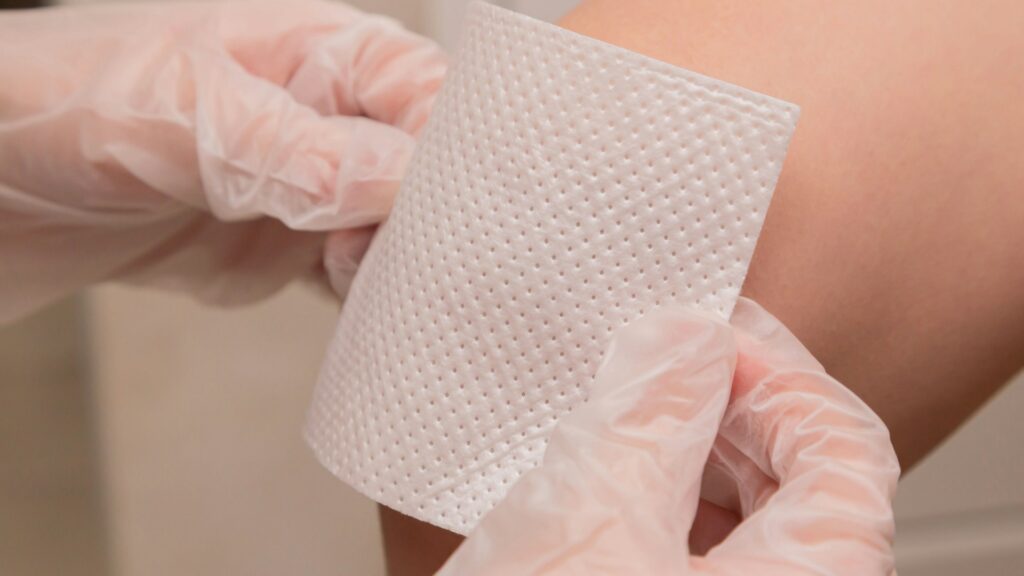
Hydrocolloid acne patches are small, adhesive stickers made from a gel-forming material called hydrocolloid. Originally designed for wound dressings, these patches have been repurposed for acne treatment. When applied to a pimple, they absorb excess fluid (pus and oil) and create a moist environment that promotes healing. Most hydrocolloid patches are translucent and come in various sizes to fit different pimple types. They are often sold as “pimple patches” or “zit stickers” and can be found at drugstores nationwide for $5 to $20 per pack.
How Do Hydrocolloid Acne Patches Work?
The mechanism behind hydrocolloid acne patches is osmotic action. The patch’s gel layer has a high concentration of hydrophilic (water-attracting) particles. When placed on a clean, dry pimple, these particles draw fluid from the blemish into the patch, causing a visible white spot to appear. This process also forms a protective barrier that prevents you from picking or touching the pimple, reducing the risk of scarring and infection. According to the American Academy of Dermatology, hydrocolloid dressings are effective for wound healing (source). The moist environment also helps calm inflammation and speeds up recovery. For best results, apply the patch at night and leave it on for 6 to 8 hours.

Hydrocolloid vs. Medicated Pimple Patches
Not all pimple patches are created equal. While hydrocolloid patches are pure occlusive dressings, medicated patches contain active ingredients like salicylic acid, benzoyl peroxide, or tea tree oil. The table below compares the two types.
| Feature | Hydrocolloid Patches | Medicated Patches (e.g., Salicylic Acid) |
|---|---|---|
| Active Ingredient | None (pure hydrocolloid) | Salicylic acid, benzoyl peroxide, tea tree oil, etc. |
| Best For | Whiteheads, fluid-filled pimples | Inflamed, cystic, or blackheads |
| Action | Absorbs pus/fluid, creates moist healing | Exfoliates, kills bacteria, reduces oil |
| Visible Result | Reduces size overnight | May take 2–3 days |
| Skin Irritation Risk | Low | Moderate (especially benzoyl peroxide) |
If you’re curious about how salicylic acid compares to benzoyl peroxide, see our detailed comparison at Salicylic Acid vs Benzoyl Peroxide: Best Acne Fighter 2026.
Benefits of Using Hydrocolloid Acne Patches
- Prevents picking: The physical barrier stops you from touching or popping pimples, which reduces scarring and spread of bacteria.
- Speeds healing: By absorbing fluid and maintaining a moist environment, patches can flatten a whitehead in one night.
- Non-irritating: Pure hydrocolloid is gentle and safe for sensitive skin, unlike harsh chemical treatments.
- Discreet: Clear or flesh-toned patches can be worn under makeup or alone during the day.
- Convenient: Easy to use; no need for multiple steps.
Limitations and When to Avoid
Hydrocolloid acne patches are not a cure-all. They work best on superficial whiteheads and small pustules, but they are ineffective against deep cystic acne, blackheads, or closed comedones. Using them on blind pimples can sometimes cause irritation or delay healing. Additionally, if you have an allergy to adhesive or suffer from frequent infections, consult your dermatologist before use. Patches should also be avoided on broken skin or active infections like impetigo.
Expert Insight: What Dermatologists Say
According to Dr. Emily Richards, a board-certified dermatologist in New York City, “Hydrocolloid patches are excellent for superficial pustules but not for inflammatory cysts. They work best when applied to a freshly cleansed, dry pimple that has a white head.” She also advises using them at night for maximum absorption. At Beaute Cosmetic, our editorial team has tested dozens of acne patches, and we agree that consistency is key. For maintenance, pair patches with a gentle skincare routine and always follow with a non-comedogenic moisturizer.
Common Mistakes When Using Acne Patches
- Applying on dirty or moist skin – the patch won’t adhere properly.
- Using on deep, blind pimples – they need a surface opening to work.
- Leaving the patch on for more than 12 hours – can cause maceration.
- Reusing a patch – each patch is single-use.
- Not prepping the skin with a clean face and drying the area.
Best Practices for Maximum Results
- Cleanse your face and pat dry before applying.
- Apply the patch at night and wear it for 6–8 hours.
- Use only on active whiteheads or fluid-filled pimples.
- After removing, hydrate with a lightweight moisturizer.
- Always wear sunscreen during the day to protect healing skin. For non-comedogenic options, check our guide to the Best SPF 50 Sunscreens for Acne-Prone Skin 2026.
Conclusion: Are They Worth It?
Hydrocolloid acne patches are a valuable tool for treating surface-level pimples, especially whiteheads. They are safe, affordable, and backed by dermatological science. However, they are not a replacement for a complete acne regimen. For persistent acne, combine patches with a consistent routine featuring salicylic acid or benzoyl peroxide, and consult a dermatologist for prescription options. At Beaute Cosmetic, we believe that informed choices lead to better skin. So next time you reach for a pimple patch, you’ll know exactly how it works.
Sıkça Sorulan Sorular
Can hydrocolloid acne patches be used on cystic acne?
No, hydrocolloid patches are not effective on cystic acne because they cannot reach deep inflammation. They work best on superficial whiteheads and fluid-filled pimples.
How long should you leave a hydrocolloid patch on?
Most manufacturers recommend leaving the patch on for 6 to 8 hours, typically overnight. Leaving it on longer may cause skin maceration.
Do hydrocolloid patches help with acne scars?
By preventing picking and reducing healing time, hydrocolloid patches can minimize the risk of post-inflammatory hyperpigmentation and scarring. However, they do not treat existing scars.
Can you wear makeup over hydrocolloid patches?
Yes, many clear hydrocolloid patches can be worn under makeup. Apply the patch first, then gently apply foundation or concealer over it.
Are hydrocolloid patches safe for sensitive skin?
Pure hydrocolloid is generally non-irritating and safe for sensitive skin. However, if you have an adhesive allergy, test on a small area first.
Do pimple patches expire?
Yes, hydrocolloid patches have an expiration date. Using expired patches may reduce adhesion and effectiveness.
Can you reuse a hydrocolloid patch?
No, each patch is single-use. Once it absorbs fluid, it loses its adhesive and healing properties.
What is the difference between hydrocolloid and salicylic acid patches?
Hydrocolloid patches physically absorb fluid and create a protective barrier, while salicylic acid patches chemically exfoliate and unclog pores. Choose based on pimple type and skin sensitivity.
Hydrocolloid acne patches are a proven, gentle solution for whiteheads and minor breakouts. They work by absorbing fluid, preventing skin picking, and speeding recovery. While not a magic bullet for all acne types, they’re a convenient addition to your skincare arsenal. For best results, combine with a consistent routine and sun protection. Ready to try the best patches? Visit Beaute Cosmetic for expert-reviewed picks and more acne-fighting tips.