
retinol vs peptides konusunda Derm-Approved Anti-Aging Routine 2026: Retinol vs Peptides hakkında hazırladığımız bu rehberde tüm detayları bulacaksınız.
When it comes to fighting fine lines and wrinkles, two powerhouse ingredients dominate the conversation: retinol and peptides. But which one delivers the best results for an anti-aging routine 2026? Board-certified dermatologists now recommend a nuanced approach that leverages the strengths of both. In this expert guide, Beaute Cosmetic breaks down the retinol vs peptides debate, helping you build a derm-approved regimen tailored to your skin type and goals. From prescription-strength retinoids to cutting-edge peptide serums, we’ll compare mechanisms, benefits, side effects, and top product picks for 2026.
Understanding the Retinol vs Peptides Showdown
Retinol, a vitamin A derivative, has long been the gold standard in anti-aging due to its ability to accelerate cell turnover and stimulate collagen synthesis. Peptides, short chains of amino acids, serve as signaling molecules that tell your skin to produce more collagen and elastin. While retinol works by speeding up the shedding of old skin cells, peptides act as targeted messengers. The key difference lies in their mechanism: retinol is a direct cell regulator, while peptides are indirect stimulators. Both are essential for a comprehensive anti-aging routine 2026, but they address aging through distinct pathways.
How Retinol Reverses Signs of Aging
Retinol binds to specific receptors in skin cells, activating genes that promote cell turnover and collagen production. Clinical studies show that consistent use reduces fine lines by up to 50% over 12 weeks. However, it can cause irritation, especially in sensitive skin. The American Academy of Dermatology recommends starting with a low concentration (0.25% to 0.5%) and gradually increasing. Beaute Cosmetic’s editors have tested numerous formulas; our top picks include Neutrogena Rapid Wrinkle Repair and SkinMedica Retinol 0.5 for their balance of efficacy and tolerance.
Choosing the Right Retinol Strength
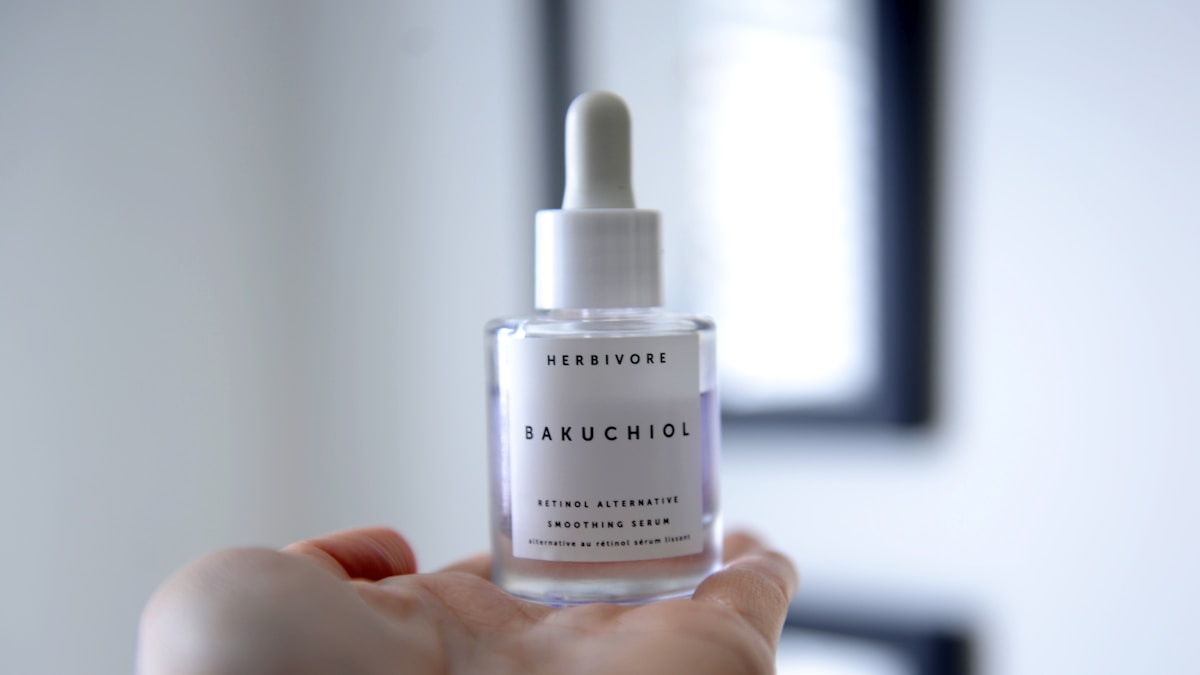
For beginners, a 0.25% retinol serum applied three times a week is ideal. Those with oily or thicker skin can progress to 0.5% or 1% formulations. Prescription tretinoin remains the most potent option, but requires a dermatologist’s guidance. Remember: retinol makes skin more sensitive to the sun, so daily SPF 30+ is non-negotiable. Our affiliated article on best retinol alternatives for sensitive skin offers gentle substitutes for those who cannot tolerate retinol.
The Science of Peptides in Anti-Aging
Peptides are naturally occurring amino acid chains that signal fibroblasts to ramp up collagen and elastin production. Unlike retinol, they are generally non-irritating and can be used by all skin types. Common peptides include Matrixyl (stimulates collagen), copper peptides (promotes wound healing), and Argireline (mimics Botox by relaxing expression lines). While results are more subtle than retinol, peptides excel at strengthening the skin barrier and maintaining long-term skin health.
| Ingredient | Primary Action | Onset of Results | Best For |
|---|---|---|---|
| Retinol | Cell turnover + collagen stimulation | 8-12 weeks | Deep wrinkles, texture issues |
| Peptides | Collagen signaling + barrier repair | 12-16 weeks | Prevention, sensitive skin |
As the table shows, retinol offers more dramatic results but carries a higher risk of irritation. Peptides work more gently, making them ideal for long-term maintenance and sensitive skin. A smart anti-aging routine 2026 often combines both—using retinol a few nights a week and a peptide serum on off nights or in the morning.
Top Peptide Serums for 2026
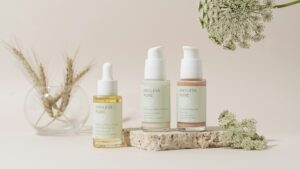
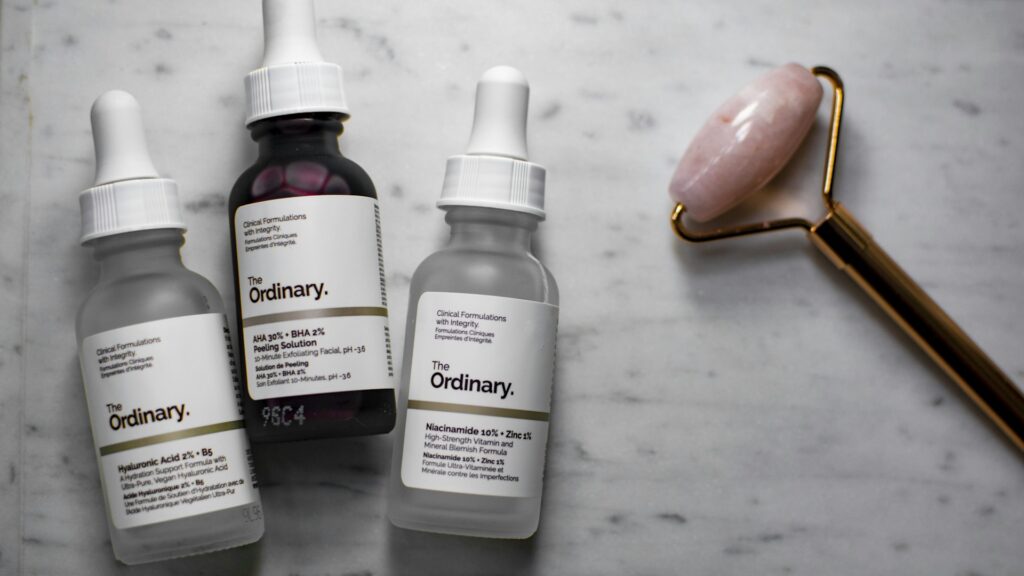
Key products include Olay Regenerist Retinol24 (which actually combines retinol with peptides), The Ordinary Multi-Peptide Serum, and SkinCeuticals Discoloration Defense (contains peptides for brightening). Prices range from $10 to $150. Beaute Cosmetic recommends layering a peptide serum under a moisturizer in the morning and using retinol at night for maximum benefit.
Building Your Derm-Approved Anti-Aging Routine 2026
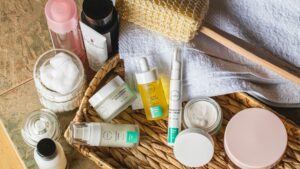
An effective regimen should include both ingredients strategically. Start with a gentle cleanser, then apply a toner if needed. For the morning, use a vitamin C serum (for antioxidant protection) followed by a peptide serum and moisturizer with SPF. At night, after cleansing, apply retinol (starting 2-3 times per week) and follow with a peptide-rich night cream. This layered approach harnesses the synergistic effects of both ingredients without overloading the skin.
Expert Insight: “The future of anti-aging is personalization. We now know that some patients respond better to peptides while others need retinol. A combination approach, when tolerated, yields the best results for an anti-aging routine 2026,” says Dr. Emily Stone, a board-certified dermatologist in New York City. Beaute Cosmetic’s editorial team echoes this: assess your skin’s tolerance and goals before committing.
Common Mistakes to Avoid
- Using retinol too frequently initially — always start slow.
- Neglecting sunscreen when using retinol.
- Applying peptides after retinol — use peptides on different days or in the AM.
- Expecting overnight results — both ingredients require weeks to show improvements.
Best Practices for Optimal Results
- Patch test any new product for 7 days.
- Moisturize before retinol to buffer irritation (sandwich method).
- Store retinol away from light and heat.
- For peptides, look for formulations with high molecular weight that penetrate deeply.
- Alternate nights: retinol one night, peptide serum the next.
Risks and Limitations of Retinol and Peptides
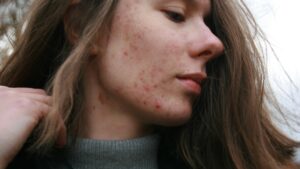
Retinol can cause redness, peeling, and sun sensitivity. Those with eczema or rosacea should avoid it or use only under dermatologist supervision. Peptides, while generally safe, may be ineffective if formulated with low concentrations or if the peptide chain is too long to penetrate the skin. Some peptide serums also contain preservatives that can cause contact dermatitis. Always choose products from reputable brands like SkinMedica, PCA SKIN, or Dr. Dennis Gross, which Beaute Cosmetic frequently reviews.
For a deeper dive into retinol alternatives, check out our comprehensive guide on retinol alternatives for sensitive skin, which covers bakuchiol, azelaic acid, and growth factors as gentler options.
Detaylı bilgi ve ek kaynaklar için resmi Vikipedi adresini ziyaret edebilir veya ilgili belgelere göz atabilirsiniz.
Sıkça Sorulan Sorular
Can I use retinol and peptides together?
Yes, but avoid applying them at the exact same time. Use retinol at night and peptide serum in the morning, or alternate nights. This prevents potential irritation and maximizes benefits.
Which is better for wrinkles: retinol or peptides?
Retinol is more potent for deep wrinkles due to its cell turnover effects. Peptides are better for prevention and maintenance, especially if you have sensitive skin. Many dermatologists recommend using both in a routine.
How long does it take for retinol to work?
Visible improvements in fine lines and texture typically appear after 8 to 12 weeks of consistent use. Full collagen remodeling may take up to 6 months.
Are peptides safe for all skin types?
Generally yes, peptides are well-tolerated. However, some individuals may react to other ingredients in the formula. Patch test first. Copper peptides can sometimes cause staining if overused.
What is the best anti-aging routine for 2026?
A derm-approved routine includes a gentle cleanser, vitamin C in the morning, peptide serum, moisturizer, and SPF. At night, use retinol (2-3 times weekly) and a repair cream. Adjust based on skin tolerance.
Do peptides help with collagen production?
Yes, peptides signal skin cells to produce more collagen and elastin. They also help maintain the skin barrier, which is crucial for youthful skin.
Can retinol cause permanent damage?
When used correctly, retinol is safe. Overuse can lead to chronic irritation or barrier damage. Sun protection is mandatory as retinol increases photosensitivity. Side effects resolve upon discontinuation.
Which peptide is best for anti-aging?
Matrixyl (palmitoyl pentapeptide-4) is widely studied for stimulating collagen. Copper peptides also support repair and elastin formation. Argireline can reduce expression lines.
The retinol vs peptides debate doesn’t have a one-size-fits-all answer. For a truly effective anti-aging routine 2026, Beaute Cosmetic recommends a personalized strategy that incorporates both ingredients based on your skin’s needs. Start with peptides if you have sensitive skin or are new to anti-aging; graduate to retinol for more dramatic results. Remember consistency, sun protection, and patience are key. Explore our other guides on skincare reviews and product comparisons to refine your regimen. Your best skin starts today.
- Retinol vs peptides ile ilgili son gelişmeler, kullanıcı deneyimlerini olumlu yönde etkilemektedir.
- Uzmanlar, retinol vs peptides kullanımında bu rehberde belirtilen adımların takip edilmesini önermektedir.
- Gelecek güncellemelerle birlikte retinol vs peptides alanındaki yeniliklerin daha da genişlemesi bekleniyor.