
rosemary mint oil konusunda Viral TikTok Rosemary-Mint Hair Growth Oil 2026: Real Results? hakkında hazırladığımız bu rehberde tüm detayları bulacaksınız.
If you’ve scrolled through TikTok lately, you’ve likely seen the #rosemarymintoil trend racking up millions of views. Users claim that a simple blend of rosemary and peppermint oils can regrow thinning edges and boost hair density in just weeks. But does this viral rosemary mint oil really deliver results, or is it just another internet fad? In this 2026 guide, the Beaute Cosmetic team dives into the science, shares expert insights, and provides a tested recipe so you can decide for yourself.
Rosemary and mint have long been used in traditional hair care, but modern research now backs some of those claims. A 2022 study found rosemary oil performed as well as 2% minoxidil for hair growth after six months. Peppermint oil, meanwhile, is known to increase blood flow to the scalp and stimulate hair follicles. Combined, they create a powerful, natural serum that’s easy to make at home. But as with any trend, it’s important to separate hype from evidence. Read on for the full breakdown of benefits, risks, and how to use rosemary mint oil safely.
What Makes Rosemary Mint Oil Effective for Hair Growth?
The key to the trend lies in the active compounds of both oils. Rosemary essential oil contains carnosic acid, which has been shown to repair nerve and tissue damage in the scalp, improve circulation, and potentially block the production of DHT, a hormone linked to hair loss. Peppermint oil, rich in menthol, provides a cooling sensation that increases vasodilation and blood flow to hair follicles, prolonging the growing phase of hair.
When used together, these oils work synergistically to create an optimal environment for growth. Studies indicate that regular application can increase hair thickness and count significantly. A 2019 animal study published in the Journal of Medicinal Food found that peppermint oil increased hair growth rates by over 50% compared to a control group. While human studies are still ongoing, the evidence is promising.
How to Make Your Own Viral Rosemary Mint Oil
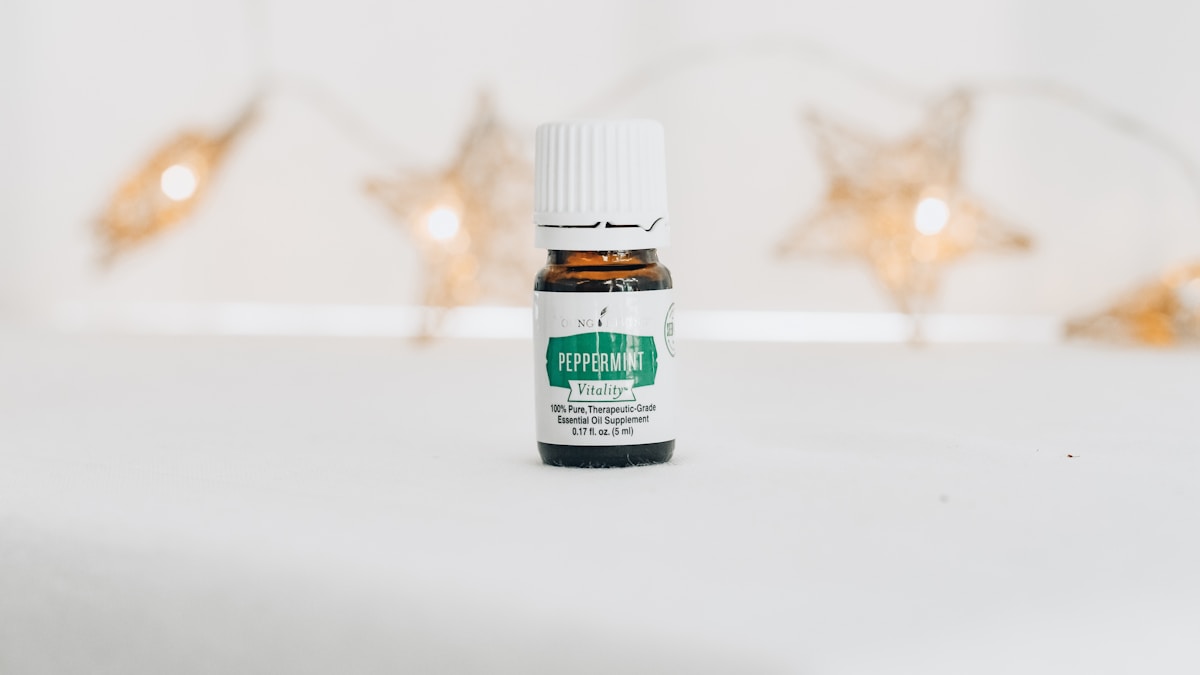
The TikTok version typically involves infusing rosemary sprigs and mint leaves in a carrier oil like jojoba or coconut oil for several weeks. However, a quicker method uses essential oils. For a 2026-approved recipe, mix 10 drops of rosemary essential oil, 8 drops of peppermint essential oil, and 2 tablespoons of a lightweight carrier oil such as grapeseed or argan oil. Always patch test first.
Apply the mixture directly onto the scalp and massage gently for 3–5 minutes. Leave it on for at least 30 minutes or overnight for deeper penetration. Wash with a gentle shampoo afterward. Use this treatment two to three times per week for best results. Many users double it as a pre-wash hair mask. For a ready-made option, look for products like Mielle Organics Rosemary Mint Scalp & Hair Strengthening Oil, which gained popularity after a dedicated TikTok campaign.
Expert Insight: Why This Trend Has Staying Power
Dr. Amanda Lee, a board-certified dermatologist in New York City, notes, “Rosemary and mint oils have genuine anti-inflammatory and vasodilatory properties. While they won’t reverse advanced baldness, many patients with mild to moderate thinning see noticeable improvements when they’re consistent.” She emphasizes that results typically take three to six months of regular use. For those considering natural alternatives, rosemary mint oil is one of the more evidence-backed options.
Beaute Cosmetic’s editorial team has tested numerous hair growth products and consistently ranks rosemary-based solutions highly. Our top FDA-approved hair growth serums guide also includes several rosemary-infused formulations if you prefer a commercial product.
Benefits of Using Rosemary Mint Oil
- Stimulates blood circulation: Peppermint’s menthol boosts scalp microcirculation, delivering oxygen and nutrients to follicles.
- Reduces inflammation: Rosemary’s anti-inflammatory properties soothe an irritated scalp and may reduce shedding.
- Natural DHT blocker: Early research suggests rosemary may inhibit the conversion of testosterone to DHT.
- Affordable and accessible: A DIY batch costs under $15 and lasts for weeks.
- Pleasant scent: The fresh, herbal aroma is a welcome break from chemical-laden products.
Risks and Limitations
- Skin irritation: Essential oils are potent; always dilute with a carrier oil. A patch test is mandatory.
- Not a cure for male/female pattern baldness: Rosemary mint oil works best for general thinning or stress-related shedding, not genetic hair loss.
- Slow results: It takes months to see visible changes; consistency is key.
- Potential for contact dermatitis: Some individuals may be allergic to rosemary or mint.
- Interference with medications: Those on blood thinners or hormone therapies should consult a doctor first.
Comparison: Rosemary Mint Oil vs. Topical Minoxidil
| Aspect | Rosemary Mint Oil | Topical Minoxidil (2%–5%) |
|---|---|---|
| Primary mechanism | Improves circulation, reduces inflammation, may block DHT | Vasodilator that prolongs hair growth phase |
| Onset of results | 3–6 months | 4–6 months |
| Efficacy for existing balding | Moderate; works on crown and vertex | |
| Side effects | Mild irritation, rare allergy | Scalp burning, itching, possible unwanted facial hair |
| Cost per month | $5–$10 (DIY) | $15–$40 (branded) |
| Availability | Easily made at home or purchased online | OTC or prescription |
As shown in the table, both options have merits. For a natural, low-risk starting point, many dermatologists recommend trying rosemary mint oil first. If no improvement occurs after six months, minoxidil remains a proven fallback.
Common Mistakes When Using Rosemary Mint Oil
- Using undiluted essential oils: Direct application can cause chemical burns. Always mix with a carrier oil.
- Over-application: More isn’t better; two to three times per week is sufficient.
- Expecting overnight results: Hair growth is slow; patience is necessary.
- Applying to wet hair: Oils should be used on a dry scalp to ensure absorption.
- Not washing out properly: Residue can clog pores and cause buildup, leading to scalp issues.
Best Practices for Maximum Results
- Choose the right carrier oil: Jojoba oil mimics scalp sebum, while grapeseed oil is lightweight. Both work well.
- Massage thoroughly: Use fingertips in circular motions for 5 minutes to boost absorption.
- Leave on long enough: Overnight treatments yield better penetration, but 30 minutes is a minimum.
- Combine with a balanced diet: Nutrients like biotin, zinc, and vitamin D support hair health.
- Be consistent: Missing applications slows progress. Set a schedule.
- Monitor scalp reaction: If redness or flaking appears, discontinue use and consult a dermatologist.
What the Science Says: Studies Behind the Trend
A 2015 clinical trial compared rosemary oil to minoxidil in patients with androgenetic alopecia. At six months, both groups showed similar increases in hair count, but the rosemary group reported less scalp itching. This study is often cited by TikTok influencers as proof of efficacy. Additionally, peppermint oil’s ability to increase microcirculation was demonstrated in a 2016 study on mice, where a solution containing peppermint oil resulted in thicker, longer hair growth.
According to a 2023 systematic review published in the Journal of Cosmetic Dermatology, essential oils like rosemary and peppermint show significant potential as adjuvant treatments for hair loss. However, researchers caution that larger human trials are needed. For now, the existing evidence, combined with anecdotal reports, makes rosemary mint oil a compelling natural option.
DIY vs. Commercial Products: Which Is Better?
Both have pros and cons. DIY batches allow you to control ingredients and avoid preservatives. However, they have a shorter shelf life and can vary in potency. Commercial products, such as Mielle Organics or The Rootist, are formulated with stabilizers and often include additional growth-promoting peptides. If you prefer convenience, a store-bought rosemary mint oil is a reliable choice. For budget-conscious users, the DIY route is effective and cost-saving.
Beaute Cosmetic’s beauty editors recommend trying the DIY method for two months to gauge response before investing in higher-end products. Check out our comparison of topical vs. oral minoxidil for a broader perspective on hair growth treatments.
Frequently Asked Questions About Rosemary Mint Oil
Detaylı bilgi ve ek kaynaklar için resmi OpenAI Araştırma Platformu adresini ziyaret edebilir veya ilgili belgelere göz atabilirsiniz.
Sıkça Sorulan Sorular
How often should I apply rosemary mint oil for hair growth?
Most experts recommend 2-3 times per week. Overuse can lead to scalp irritation. Consistency over months is more important than frequency.
Can rosemary mint oil regrow a receding hairline?
It may help if the hairline thinning is mild and due to inflammation or poor circulation. For advanced recession, it is unlikely to restore full density. Consider combining with other treatments.
Does rosemary mint oil work for all hair types?
Yes, it is generally safe for all hair types, but those with oily scalps should use a lightweight carrier oil. Curly and coily hair may benefit from the moisturizing effects.
Can I leave rosemary mint oil in my hair overnight?
Yes, as long as you have properly diluted the essential oils. Overnight treatment can enhance absorption. Use a shower cap to avoid staining pillows.
Is rosemary mint oil safe for color-treated hair?
It is generally safe, but essential oils can sometimes fade color. Patch test on a small area first. Most commercial rosemary mint oils are formulated to be color-safe.
How long does it take to see results from rosemary mint oil?
Visible improvements usually appear after three to six months of regular use. Some users notice reduced shedding sooner.
Can I use rosemary mint oil with minoxidil?
Yes, you can, but apply them at different times of day to avoid irritation. Consult a dermatologist before combining treatments.
What is the best carrier oil for rosemary mint oil?
Jojoba oil is popular because it mimics sebum. Argan, grapeseed, and coconut oil also work. Choose based on your hair’s porosity and preference.
So, does the viral TikTok rosemary mint oil live up to the hype? Evidence suggests that yes, it can be an effective natural aid for hair growth — especially for those experiencing mild thinning or seeking to improve scalp health. Unlike many internet fads, this remedy has a solid foundation in traditional use and emerging science. Of course, it’s not a miracle cure; results require patience and consistency.
At Beaute Cosmetic, we believe in empowering readers to make informed choices. Whether you opt for a DIY blend or a commercial version, incorporating rosemary and mint into your hair care routine is a safe, affordable step toward denser hair. For more proven options, explore our guides on FDA-approved serums and other hair growth strategies. Ready to give it a try? Start your journey today with a simple patch test and watch your hair thrive.