
When it comes to adult acne, two ingredients dominate the conversation: salicylic acid vs benzoyl peroxide. Both are proven acne fighters, but they work in fundamentally different ways, making the choice highly individual. As we step into 2026, new formulations and delivery systems have blurred the lines, but the core question remains: which one is right for your skin? At Beaute Cosmetic, we’ve analyzed the latest dermatologic research, U.S. market trends, and consumer reviews to bring you an evidence-based comparison. Whether you’re dealing with stubborn cystic breakouts or persistent blackheads, this guide will help you make an informed decision tailored to adult skin needs, which often differ from teenage acne.
How Salicylic Acid and Benzoyl Peroxide Work
Salicylic acid is a beta hydroxy acid (BHA) that is oil-soluble, allowing it to penetrate deep into pores to dissolve sebum and dead skin cells. It’s especially effective for blackheads, whiteheads, and comedonal acne that often plagues adults. Benzoyl peroxide, on the other hand, is an antimicrobial agent that kills Cutibacterium acnes bacteria and helps prevent resistance. It also has mild exfoliating properties. For many adults, understanding this fundamental difference is the first step in selecting the right treatment.
While salicylic acid excels at unclogging pores, benzoyl peroxide is superior for inflammatory acne—the red, painful bumps that often leave marks. The 2026 U.S. market has seen a surge in combination products that blend both, but single-ingredient options remain popular for targeted use. According to the American Academy of Dermatology, adult acne often requires a multi-pronged approach, and knowing when to use each ingredient can dramatically improve results.
For those just starting, consider beginning with a low concentration—2% salicylic acid or 2.5% benzoyl peroxide—to gauge tolerance. Higher strengths (up to 10% benzoyl peroxide) are available but can increase irritation, especially on mature skin. In cities like New York and Los Angeles, dermatologists often recommend starting with the gentler option and gradually increasing as needed.
Benefits of Salicylic Acid for Adults
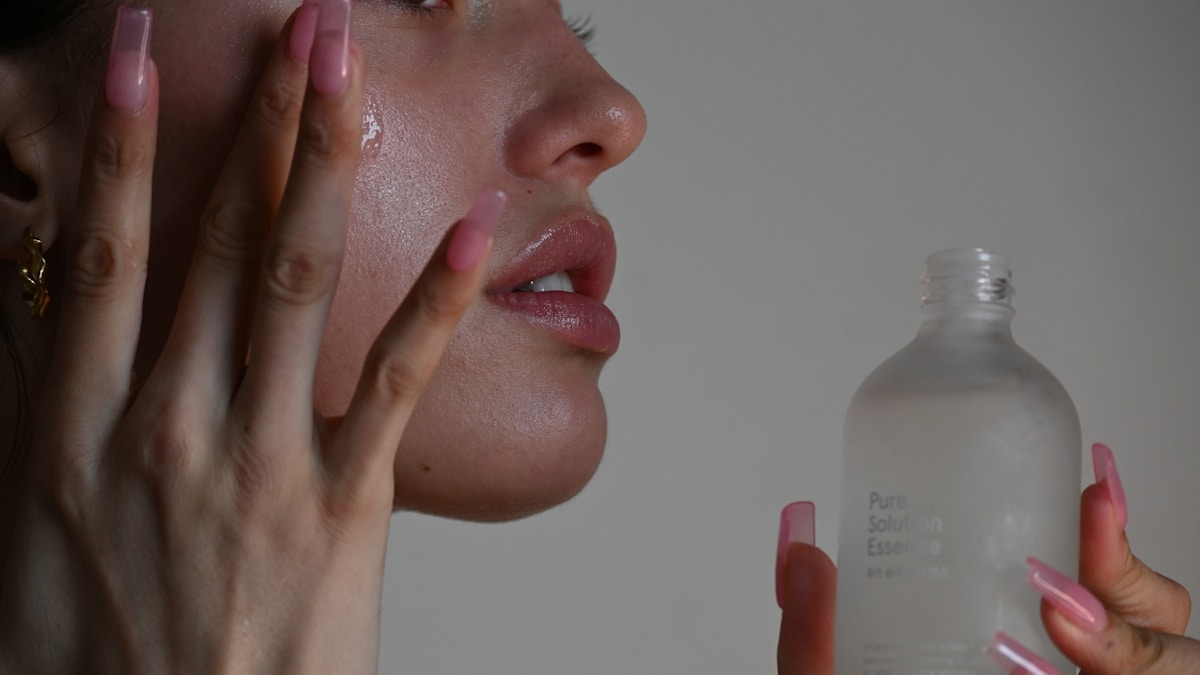
1. Pore-penetrating power: Its oil solubility means it can travel into the follicle and break down the plugs that cause non-inflammatory acne. 2. Anti-inflammatory effects: While mild, it can reduce redness. 3. Exfoliation: It promotes cell turnover, which can improve overall skin texture and reduce fine lines—a bonus for adult skin. 4. Compatibility with other actives: Salicylic acid pairs well with retinoids and antioxidants, making it a flexible addition to any routine.
Adults in humid climates like Florida or Texas often prefer salicylic acid because it helps control oil without overdrying. However, it may not be sufficient for deep, cystic acne. A 2025 survey of U.S. beauty consumers found that 64% of adults using salicylic acid for blackheads reported significant improvement within 4 weeks.
Benefits of Benzoyl Peroxide for Adults
1. Rapid bacterial kill: Benzoyl peroxide works quickly to reduce bacterial load, making it ideal for pustules and papules. 2. No resistance: Unlike antibiotics, bacteria cannot become resistant to benzoyl peroxide, which is crucial for long-term management. 3. Drying effect: For oily skin types, this can be a positive, but adults with dry or sensitive skin need to be cautious. 4. Prevention: Regular use can prevent new inflammatory breakouts. In the U.S., brands like Neutrogena and La Roche-Posay offer gentle 2.5% washes that are well-tolerated.
Benzoyl peroxide is often the go-to for adults in drier climates like Arizona, as its drying effect can be balanced with moisturizers. However, it can bleach fabrics and cause stinging. A 2026 study from Brown University found that benzoyl peroxide outperformed salicylic acid in reducing inflammatory lesions by 30% after 8 weeks, but side effects like peeling were more common.
Limitations and Risks
Both ingredients have drawbacks. Salicylic acid can cause dryness and irritation if overused, and it may not be effective for severe inflammatory acne. Benzoyl peroxide can be harsh on skin, causing redness, peeling, and contact dermatitis. It also bleaches hair and clothing, which is a common complaint among adults. For those with darker skin tones, benzoyl peroxide may cause temporary hyperpigmentation if used improperly. Additionally, using both together can lead to excessive dryness—it’s usually recommended to alternate or use them at different times of day, such as salicylic acid in the morning and benzoyl peroxide at night.
Adults over 30 often have lower sebum production, making them more prone to irritation from strong actives. A common mistake is layering too many products; a minimalist routine with one active ingredient and a gentle moisturizer often works best. Always introduce new treatments gradually and never use them on broken or sunburned skin.
Comparison Table: Salicylic Acid vs Benzoyl Peroxide
| Feature | Salicylic Acid | Benzoyl Peroxide |
|---|---|---|
| Mechanism | Exfoliates inside pores, dissolves oil | Kills bacteria, reduces inflammation |
| Best for | Blackheads, whiteheads, comedonal acne | Pustules, papules, inflammatory acne |
| Concentration range | 0.5%–2% (OTC); higher in peels | 2.5%–10% (OTC) |
| Common side effects | Dryness, irritation, peeling | Redness, peeling, bleaching of fabrics |
| Start seeing results | 2–4 weeks | 4–6 weeks |
| Can use with retinoids? | Yes, with caution | No, avoid mixing |
| Pregnancy safe | Yes (topical) | Yes (limited absorption) |
Source: American Academy of Dermatology and Beaute Cosmetic analysis, 2026.
Which One Should You Choose? Expert Insights
For Comedonal Acne
If your breakouts are mostly blackheads and whiteheads, especially around the nose and chin, salicylic acid is your first-line treatment. Look for a leave-on serum or toner with 2% salicylic acid.
For Inflammatory Acne
For red, swollen pimples, benzoyl peroxide is more effective. A 2.5% topical gel applied to individual spots or the entire affected area can reduce inflammation overnight.
For Combination Acne
Some adults have both types. In that case, a tailored routine using salicylic acid in the morning and benzoyl peroxide at night (never together) can work. Alternatively, use a product containing both ingredients at lower concentrations. Always follow with a non-comedogenic moisturizer.
As an editorial perspective from Beaute Cosmetic, we emphasize that no single ingredient works for everyone. Your skin type, lifestyle, and even local climate—whether you’re in humid Miami or dry Denver—play a role. Consulting a dermatologist is always best, but for many adults, a careful trial of one ingredient at a time for 6–8 weeks yields valuable insights. Remember, sun protection is non-negotiable when using these treatments; our guide on best sunscreens for acne-prone skin in 2026 can help you choose an SPF that won’t clog pores.
Common Mistakes to Avoid
- Overusing products: More is not better. Using benzoyl peroxide more than twice daily can cause severe irritation.
- Skipping moisturizer: Both ingredients dry the skin; a hydrating, oil-free moisturizer counters this without causing breakouts.
- Mixing with other strong actives: Combining benzoyl peroxide with retinoids or vitamin C can lead to over-exfoliation and barrier damage.
- Expecting overnight results: Acne treatment takes time; consistent use for at least 8 weeks is recommended before judging efficacy.
- Not using sunscreen: Both salicylic acid and benzoyl peroxide increase photosensitivity, so daily SPF 30+ is essential. Check out our mineral vs chemical sunscreen for acne guide for derm-approved options.
Best Practices for Using Salicylic Acid and Benzoyl Peroxide
- Start low and slow: Begin with the lowest concentration once daily, then increase frequency as tolerated.
- Apply to clean, dry skin: Use after cleansing and before moisturizer.
- Spot test first: Apply a small amount behind the ear or on the jawline to check for allergic reactions.
- Layer correctly: If using both, apply salicylic acid first (lower pH) then wait 10 minutes before benzoyl peroxide.
- Moisturize and protect: Always follow with a lightweight moisturizer and broad-spectrum SPF during the day.
- Adjust for seasons: In winter, reduce frequency to avoid excessive dryness; in summer, you may tolerate more frequent use.
Detaylı bilgi ve ek kaynaklar için resmi Vikipedi adresini ziyaret edebilir veya ilgili belgelere göz atabilirsiniz.
Sıkça Sorulan Sorular
Can I use salicylic acid and benzoyl peroxide together?
Yes, but with caution. Use them at different times of day (salicylic acid in the morning, benzoyl peroxide at night) to avoid irritation. Never layer them directly.
Which is better for adult cystic acne?
Benzoyl peroxide is generally more effective for cystic acne because it kills bacteria and reduces inflammation. Salicylic acid may help prevent new cysts but is less potent for deep lesions.
How long does it take to see results from salicylic acid?
You may see improvement in blackheads and whiteheads within 2–4 weeks. For full effects, consistent use for at least 8 weeks is recommended.
Does benzoyl peroxide cause aging?
No, benzoyl peroxide does not cause aging. However, it can cause dryness and irritation, which may accentuate fine lines temporarily. Use a good moisturizer to counteract this.
Can I use salicylic acid if I have sensitive skin?
Yes, but start with a low concentration (0.5% or 1%) and use it every other day. Always follow with a soothing moisturizer and avoid other exfoliants.
Is benzoyl peroxide safe during pregnancy?
Topical benzoyl peroxide in low concentrations (up to 5%) is generally considered safe during pregnancy, due to minimal systemic absorption. Consult your healthcare provider first.
What is the best concentration of benzoyl peroxide for adults?
For most adults, a 2.5% concentration is equally effective as higher strengths but with less irritation. Start with 2.5% and only move to 5% if tolerated.
Do I need a prescription for these ingredients?
No, salicylic acid and benzoyl peroxide are available over the counter in the U.S. in many forms like cleansers, gels, and creams. Higher strengths may require a prescription.
Choosing between salicylic acid vs benzoyl peroxide for adult acne in 2026 doesn’t have to be daunting. By understanding their unique mechanisms—salicylic acid’s pore-clearing exfoliation and benzoyl peroxide’s bacteria-killing power—you can tailor your routine to your specific breakouts. For most adults, starting with one ingredient at a low concentration, combined with a gentle moisturizer and daily SPF, yields the best results. Remember, patience and consistency are key. At Beaute Cosmetic, we encourage you to listen to your skin and adjust as needed. Whether you’re in New York, London, or Sydney, clear skin is achievable with the right approach. For more expert skincare advice, explore our other guides and find your perfect match.
- Salicylic acid vs benzoyl peroxide ile ilgili son gelişmeler, kullanıcı deneyimlerini olumlu yönde etkilemektedir.
- Uzmanlar, salicylic acid vs benzoyl peroxide kullanımında bu rehberde belirtilen adımların takip edilmesini önermektedir.
- Gelecek güncellemelerle birlikte salicylic acid vs benzoyl peroxide alanındaki yeniliklerin daha da genişlemesi bekleniyor.