
Finding an acne sunscreen that protects without causing breakouts can feel like a never-ending search. Many sunscreens are thick, greasy, or loaded with pore-clogging ingredients. But in 2026, dermatologists have curated standout formulas that shield your skin while keeping it clear. At Beaute Cosmetic, we analyzed top-rated, non-comedogenic sunscreens for acne-prone skin—focusing on oil-free, lightweight textures that work for daily wear. Whether you have oily, combination, or sensitive acne-prone skin, these picks offer broad-spectrum protection without the dreaded white cast or sticky finish. Read on for expert-approved options that won’t sabotage your skincare routine.
Why Acne-Prone Skin Needs a Special Sunscreen
Ultraviolet rays can worsen acne by triggering inflammation and hyperpigmentation. But not all sunscreens are created equal. Many contain heavy oils, fragrances, or silicones that clog pores and cause breakouts. That’s why a dedicated acne sunscreen must be non-comedogenic, meaning it won’t block pores. Look for terms like “oil-free,” “fragrance-free,” and “dermatologist tested.” Mineral sunscreens with zinc oxide or titanium dioxide are often gentler, while newer chemical filters like Tinosorb S and Uvinul A Plus provide high protection without irritation. The goal: a sunscreen that feels like nothing on your skin but defends against UV damage and post-inflammatory hyperpigmentation.
Dermatologists emphasize that skipping sunscreen actually harms acne-prone skin. UV exposure dries out the surface, prompting more oil production and leading to more clogged pores. A good acne sunscreen acts as a shield. In our mineral sunscreen guide for sensitive skin, we explain why physical blockers are ideal for reactive complexions. For acne, mineral formulas with micronized zinc oxide often provide matte finish and anti-inflammatory benefits.
What to Look for in an Acne-Friendly Sunscreen
When shopping for the best acne sunscreen, check the ingredient list first. Avoid heavy emollients like coconut oil, cocoa butter, or lanolin. Instead, seek lightweight bases such as glycerin, dimethicone, or hyaluronic acid. Key beneficial ingredients include niacinamide (calms redness), salicylic acid (exfoliates pores), and zinc oxide (soothes). SPF 30 is the minimum, but SPF 50 offers superior protection for daily wear. Look for “broad spectrum” to ensure UVA and UVB defense.
Textures matter: gel-based or lotion sunscreens absorb quickly and leave a satin finish. Tinted versions can help even out skin tone and double as light coverage. Brands like La Roche-Posay, EltaMD, Supergoop!, and CeraVe offer dedicated lines for acne-prone and oily skin. Check for the National Eczema Association seal if your skin is also sensitive.
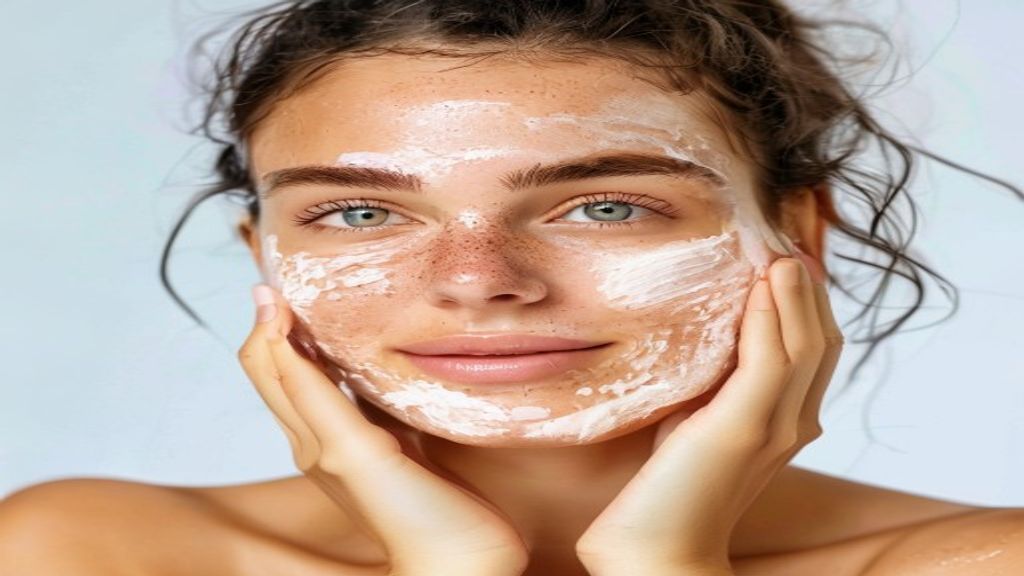
Top 5 Acne Sunscreens of 2026: Derm Picks
1. EltaMD UV Clear Broad-Spectrum SPF 46
This dermatologist favorite contains 5% niacinamide and hyaluronic acid. It’s oil-free, non-comedogenic, and leaves a natural finish. Ideal for sensitive, acne-prone skin. Price: $39 for 1.7 oz. Available at derm offices and online.
2. La Roche-Posay Anthelios Clear Skin Oil-Free Sunscreen SPF 60
With perlite and silica to absorb excess oil, this sunscreen mattifies without drying. Cell-Ox Shield technology offers photostable protection. Price: $36 for 1.7 oz. Fragrance-free and tested on acne-prone skin.
3. Supergoop! Unseen Sunscreen SPF 40
A weightless, invisible gel that doubles as a makeup primer. Contains red algae for blue light defense. Oil-free and fragrance-free. Price: $38 for 1.7 oz. Perfect under foundation.
4. CeraVe Hydrating Sunscreen Sheer Tint SPF 30
Combines mineral zinc oxide with ceramides and niacinamide. The sheer tint helps mask blemishes while moisturizing. Non-comedogenic and fragrance-free. Price: $21 for 1.7 oz. Great value.
5. ISDIN Eryfotona Actinica Ultralight Emulsion SPF 50+
Provides DNA repair with photolyase enzymes and zinc oxide. Ultralight texture absorbs quickly; ideal for oily, acne-prone skin. Price: $60 for 1.7 oz. Though pricier, it offers advanced protection.
| Sunscreen | SPF | Key Feature | Texture | Price |
|---|---|---|---|---|
| EltaMD UV Clear | 46 | Niacinamide | Lotion | $39 |
| La Roche-Posay Clear Skin | 60 | Oil-absorbing perlite | Fluid | $36 |
| Supergoop! Unseen | 40 | Invisible gel | Gel | $38 |
| CeraVe Sheer Tint | 30 | Mineral + ceramides | Tinted lotion | $21 |
| ISDIN Eryfotona Actinica | 50+ | DNA repair enzymes | Emulsion | $60 |
How to Choose Between Mineral and Chemical Sunscreens for Acne
Mineral sunscreens (zinc oxide, titanium dioxide) sit on top of the skin and deflect UV rays. They are less likely to irritate or clog pores, making them a top choice for sensitive acne-prone skin. Chemical sunscreens absorb UV rays and convert them to heat. Modern filters like Tinosorb S and Uvinul A Plus are safe and cosmetically elegant. Some individuals find chemical sunscreens cause stinging or breakouts. If your skin reacts easily, stick with mineral-based acne sunscreen. For others, oil-free chemical formulas can work well. Patch test before full application.
In the United States, the FDA is evaluating sunscreen ingredients for safety. For 2026, the market offers numerous lightweight chemical sunscreens that are non-comedogenic. Brands like Neutrogena and Blue Lizard have reformulated with better filters. However, experts at the American Academy of Dermatology still recommend zinc oxide as the safest option for acne-prone skin.
Common Mistakes When Using Sunscreen with Acne
- Applying too little: Use at least a quarter teaspoon for face and neck. Underapplying reduces protection.
- Skipping reapplication: Sunscreen wears off after two hours, especially if you sweat or touch your face. Set a timer.
- Using the wrong SPF: SPF 30 is bare minimum; SPF 50 is better for acne-prone skin to prevent hyperpigmentation.
- Mixing with other products: Layering on too many serums before sunscreen can pill. Let each layer dry.
- Ignoring ingredients: Even “natural” sunscreens can contain pore-clogging oils. Always read labels.
Expert Tips for Applying Sunscreen Without Breaking Out
Prep your skin properly
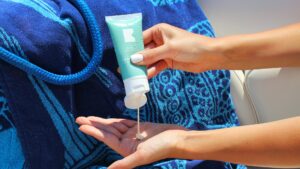
Cleanse with a gentle salicylic acid wash, then apply a lightweight moisturizer if needed. Wait 5 minutes before applying sunscreen to allow absorption. Use a pea-sized amount for your face, blending in upward motions.
Choose powder or spray for touch-ups
Mineral powder sunscreens (like Colorescience) allow reapplication without disturbing makeup. For a non-powder option, a setting spray with SPF can be refreshing. But don’t rely solely on powders—they often provide lower coverage.
Double-cleanse at night
Sunscreen residue can clog pores if not removed properly. Use an oil-based cleanser followed by a water-based one to ensure every trace is gone. This routine is vital for acne-prone skin.
Risks and Limitations of Acne Sunscreens
Even non-comedogenic sunscreens can cause breakouts in some people. Individual skin reactions vary. Some may develop contact dermatitis from chemical filters. Mineral sunscreens can leave a white cast on darker skin tones, though micronized formulas reduce this. Additionally, some acne sunscreen products contain added fragrance or essential oils that irritate sensitive skin. Always check for potential allergens. If you experience persistent breakouts after switching, consult a dermatologist for patch testing.
Another limitation: many acne sunscreens focus on oil control but may lack sufficient moisturizing properties. If you are using acne treatments like retinoids, your skin may become dry. Look for sunscreens with hydrating ingredients like hyaluronic acid or glycerin. Balancing oil control and hydration is key.
Best Practices for Long-Term Sun Protection
- Apply sunscreen every day, even indoors, as UVA rays penetrate windows.
- Reapply every two hours when outside or after swimming/sweating.
- Use a separate zinc oxide stick for eyes and the back of hands.
- Combine with physical protection: hats, sunglasses, and seeking shade.
- Store sunscreen away from direct heat to maintain efficacy.
Consistency is more important than the exact product. Find a formula you enjoy using, and it will become a seamless step in your daily routine. For more detailed product breakdowns, explore our comprehensive acne sunscreen list for additional options.
Sıkça Sorulan Sorular
Can sunscreen cause acne?
Yes, some sunscreens can clog pores and trigger breakouts if they contain heavy oils, silicones, or fragrances. Choose non-comedogenic, oil-free formulas labeled ‘won’t clog pores’. Mineral sunscreens with zinc oxide are less likely to cause acne.
What SPF is best for acne-prone skin?
Dermatologists recommend SPF 30 at minimum, but SPF 50 is better for acne-prone skin as it provides higher protection against UVB rays, which can worsen pigmentation. Always choose broad-spectrum SPF.
Should I use mineral or chemical sunscreen for acne?
Mineral sunscreen (zinc oxide or titanium dioxide) is generally safer for acne-prone skin as it sits on top of the skin and is less irritating. Chemical sunscreens can work if they are oil-free and non-comedogenic, but some people react negatively.
How much sunscreen should I apply?
Apply at least a quarter teaspoon (about a nickel-sized dollop) to your face and neck. For full body, use about one ounce (a shot glass full). Underapplying reduces SPF protection.
Can I use makeup with SPF instead of sunscreen?
Makeup with SPF is rarely enough alone because you don’t apply enough to reach the labeled SPF. Always use a dedicated sunscreen underneath. Your foundation SPF serves as extra protection but not a replacement.
Does sunscreen prevent acne scars?
Yes. Sunscreen prevents UV-induced hyperpigmentation and inflammation, which can darken existing scars and slow healing. Daily use of a non-comedogenic sunscreen helps fade post-acne marks over time.
Can I use sunscreen if I have oily acne-prone skin?
Absolutely. Look for gel-based or mattifying sunscreens labeled ‘oil-free’. Many derm brands offer formulas with a matte finish. Avoid heavy creams and always check ingredients for pore-clogging agents.
How often should I reapply sunscreen for acne-prone skin?
Reapply every two hours if you are outdoors or sweating. For daily indoor use, one application in the morning is often enough, but reapply after lunch if you are by windows or using blue light devices.
Protecting your skin from the sun doesn’t have to mean inviting breakouts. The right acne sunscreen not only shields your face from harmful UV rays but also helps prevent post-acne marks and keeps oil in check. In 2026, derm-approved options like EltaMD UV Clear and La Roche-Posay Anthelios offer lightweight, non-comedogenic protection. Remember to apply generously, reapply as needed, and always double-cleanse at night. Your skincare routine deserves a sunscreen that works with your skin, not against it. Explore our full selection of acne-safe sunscreens at Beaute Cosmetic and find your perfect match today.
- Acne sunscreen ile ilgili son gelişmeler, kullanıcı deneyimlerini olumlu yönde etkilemektedir.
- Uzmanlar, acne sunscreen kullanımında bu rehberde belirtilen adımların takip edilmesini önermektedir.
- Gelecek güncellemelerle birlikte acne sunscreen alanındaki yeniliklerin daha da genişlemesi bekleniyor.