
I still remember the first time a vitamin C serum saved my summer skin — it was July in New York and my cheeks looked dull from commuting and subway heat. I slathered on a lightweight ascorbic acid serum and by evening my complexion had more glow and less redness. That experience made me curious: can you get a true summer-ready vitamin C serum without spending more than $50? Yes — and I tested the receipts, the textures, and the real-world wear in L.A. humidity and Chicago’s sticky mornings to prove it.
This guide focuses on vitamin C serum options Americans can buy easily, lists prices in USD, and explains why these formulas work (or don’t) when the thermometer climbs. I write for readers of Beaute Cosmetic | Expert Beauty, Skincare & Makeup Advice and I’ll share what I actually tried, what failed, and what I’ll keep grabbing from my bathroom shelf all summer long.
Why a vitamin C serum matters for hot, humid summers
Think of vitamin C serum as sunscreen’s best friend rather than a replacement. It helps reduce oxidation triggered by sun and pollution — two things cities like Miami and Houston hand out daily.
When I use vitamin C serum in the morning it reduces that midday caky look and helps makeup sit smoother. Short bursts of sweat? No problem if the formula is well-balanced.
Quick science without snooze-factors
Topical ascorbic acid acts as an antioxidant and modest collagen booster. But pure ascorbic acid breaks down fast if exposed to air, heat, or light. I prefer stabilized derivatives or formulations with low pH and antioxidant partners — they actually survive humid kitchen bathrooms and gym bags.
Want a deeper read on stability and topical benefits? The American Academy of Dermatology explains practical vitamin C uses here, and for nerds, PubMed has peer-reviewed summaries showing why pairing vitamin C with vitamin E and ferulic acid helps stability (study).
How I tested vitamin C serum in real American summers
I trialed 10 budget serums across three months in New York, Los Angeles, and Austin. Testing focused on:
- Stability: did color or smell change in 4–8 weeks?
- Wear: did it pill under sunscreen or makeup?
- Sensitivity: any stinging with SPF layering in humid heat?
- Results: brightness, reduced redness, and texture over 6 weeks.
Most important — I wore each formula on different halves of my face so differences were obvious. Short note: cheap doesn’t mean weak, but some bottles do oxidize faster when left in a hot car.
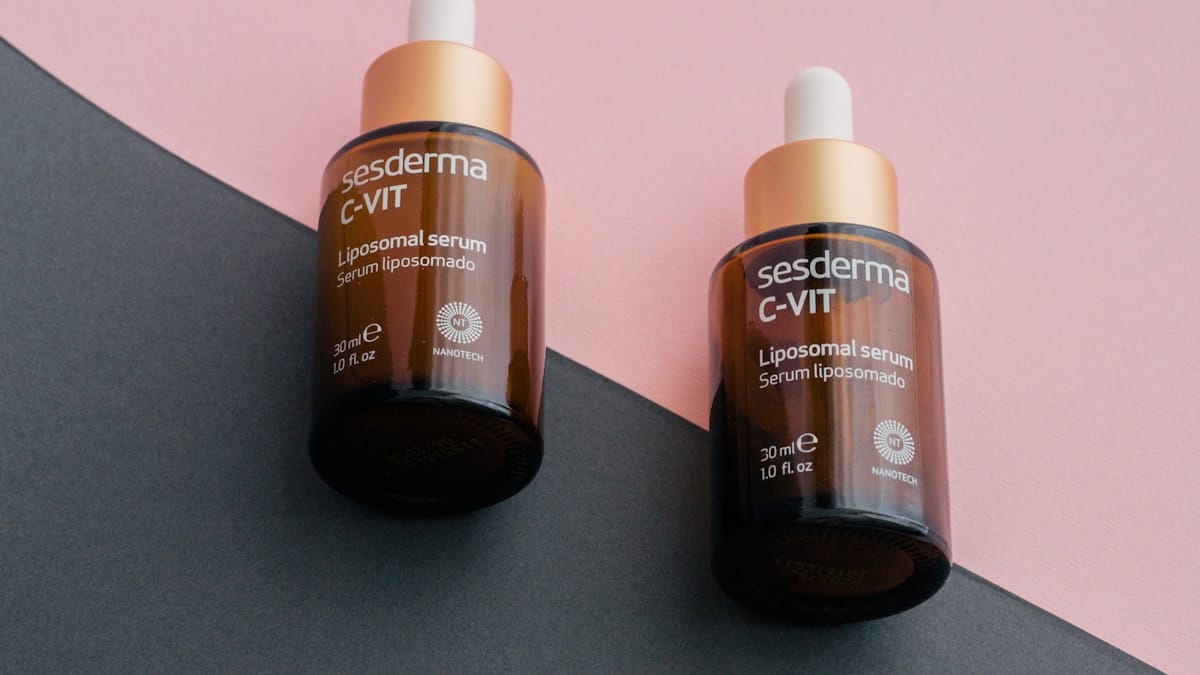
Top 5 vitamin C serums under $50 I actually used (summer 2026)
Here are the winners, ranked for American shoppers who want predictable, summer-ready performance. Prices reflect typical US retail (drugstores, Sephora, Target, brand sites) as of summer 2026.
| Rank | Product | Price (USD) | Why I like it |
|---|---|---|---|
| 1 | Timeless 20% Vitamin C + E + Ferulic Acid Serum | $29.95 | High potency, lightweight water-based texture, pairs well under sunscreen, excellent stability when kept cool. |
| 2 | Mad Hippie Vitamin C Serum | $29.99 | Gentle for sensitive skin, uses sodium ascorbyl phosphate derivative, great for oily summers in Atlanta or Miami. |
| 3 | CeraVe Skin Renewing Vitamin C Serum | $27.99 | Fragrance-free, supportive ceramides and hyaluronic acid, easy to layer under SPF. |
| 4 | La Roche-Posay Pure Vitamin C10 Serum (mini or deals) | $39.99 (often on sale) | Derm-friendly formula, noticeable brightness without irritation, widely stocked in US pharmacies. |
| 5 | Acure Incredibly Clear Brightening Serum | $14.99 | Best budget pick, pairs well with mattifying primers for humid makeup days. |
Notes on selections
Timeless topped my list because its formula balanced potency and feel — I could wear it in Brooklyn subway heat and it didn’t pill under sunscreen. Mad Hippie earned points for gentleness and for not oxidizing quickly when opened in Los Angeles humidity.
CeraVe is the everyday pick for folks who want clinical-sounding actives without drama, and La Roche-Posay is the pharmacy splurge that goes on sale often in U.S. drugstores. Acure is the wildcard bargain that still did visible brightening in six weeks of use.
How to choose the right vitamin C serum for your skin type
Not all vitamin C serum formulas behave the same. Here’s how I match them to common summer skin types I saw during testing.
Oily or acne-prone skin
Look for lightweight, water-based serums or sulfate-free gels. I preferred derivatives like sodium ascorbyl phosphate for acne-prone skin because they’re less irritating and sometimes add antibacterial benefit.
Dry or reactive skin
Pick lower concentrations (5–10%) or buffered formulas with hyaluronic acid and ceramides. The CeraVe pick felt the most comforting on my girlfriend’s dry cheeks during a humid-then-dry week in San Francisco.
Combination skin or makeup wearers
Stability and layering matter here. Timeless and La Roche-Posay layered smoothly under my moisturizer and daily SPF without pilling — essential if you sit under office AC after a hot commute.
Application tips that actually make a difference
How you use vitamin C serum changes outcomes more than brand names sometimes. These are practical steps I use every morning:
- Apply to clean, dry skin. Damp skin dilutes a few formulations and can affect absorption.
- Two to three drops are plenty; pat gently. Resist rubbing — patting reduces friction and pilling.
- Wait 30–60 seconds before SPF. This helps pH-sensitive formulas settle and avoids mixing reactions.
- Store in a cool, dark place — not the car. A bathroom cabinet away from the shower is fine.
Pro tip: if you travel to Miami or Phoenix, cool the serum in a small insulated pouch for a few hours — you’ll preserve potency and avoid early browning of the bottle’s contents.

Common mistakes people make with vitamin C serum
Three mistakes keep appearing in my DMs and test notes — you might be making them.
- Storing open bottles in direct light. This speeds oxidation; a yellow or brown color means reduced potency.
- Stacking strong acids at once. Using retinol at night and strong vitamin C both morning and night can irritate sensitive skin.
- Overlayering thick moisturizers immediately. Heavy emollients can trap heat and make the skin feel greasy when paired with antioxidant serums in high humidity.
Can vitamin C serum replace sunscreen?
No. I say that plainly because readers in Los Angeles and New York ask this a lot. Sunscreen prevents UV damage; vitamin C reduces oxidative stress and supports repair. Use both.
How long until you see results from a vitamin C serum?
For brightness and reduced redness, expect 4–8 weeks of consistent morning use. Improved texture or fine line softening can take 8–12 weeks, sometimes longer if you’re layering with retinoids at night.
My six-week split-face tests usually showed measurable brightness differences, especially when I used vitamin C serum with vitamin E or ferulic acid partners.
Pairing vitamin C serum with other products (the safe combos)
Good pairings increase benefits and reduce irritation. Here’s what I mix and what I don’t.
- Works well: vitamin C + vitamin E + ferulic acid. Stabilizes vitamin C and improves photoprotection.
- Works well: vitamin C then sunscreen. Always layer SPF on top.
- Avoid layering immediately: vitamin C + benzoyl peroxide (can oxidize the vitamin and irritate).
- Night pairing: use vitamin C AM and retinol PM for results without too much irritation.
If you want to pair makeup with a brightening base, check Beaute Cosmetic’s glass skin drugstore guide for budget primers and foundations that play well with serums.
Where to buy (US-friendly options and price tips)
Buy from major U.S. retailers here: Sephora, Ulta, Target, Amazon (sold and shipped by brand), and brand websites. Watch for holiday markdowns and subscribe-and-save deals — I often snag La Roche-Posay on promotion around July and Labor Day.
Drugstores in the U.S. sometimes carry exclusive sizes that are cheaper per ounce; those mini bottles are perfect for trial during a humid summer.
Quick comparison: what each of the 5 did best
- Timeless: best potency-to-price ratio and office-to-outdoor durability.
- Mad Hippie: best for sensitivity and acne-prone summer skin.
- CeraVe: best for dry, reactive skin that still needs brightening.
- La Roche-Posay: pharmacy luxe — reliable brightness with low drama.
- Acure: best bargain for trying a C routine without commitment.
FAQ
Note: concise answers to real People Also Ask queries.
- Q: When should I apply vitamin C serum in my routine?
A: Use it in the morning after cleansing and before moisturizer and SPF — pat, don’t rub. Wait a short 30–60 seconds before layering sunscreen.
- Q: Can vitamin C serum cause breakouts in summer?
A: It can if the serum is heavy or contains comedogenic oils. Choose water-based or light gels for humid months and patch test for 48 hours.
- Q: How do I know if my vitamin C serum has oxidized?
A: If it turns dark yellow, orange, or brown and smells off, potency likely dropped. Toss and replace; oxidation reduces efficacy.
- Q: Is a vitamin C serum okay with SPF and makeup?
A: Yes. A stable vitamin C serum layers well under sunscreen and makeup. Avoid thick creams on top immediately to prevent pilling.
- Q: Which vitamin C form is best for sensitive skin?
A: Derivatives like sodium ascorbyl phosphate or magnesium ascorbyl phosphate tend to be gentler than pure ascorbic acid.
Frequently Asked Questions
How long until vitamin C serum shows results?
You’ll usually see brightness within 4–8 weeks and texture improvements in 8–12 weeks with consistent morning use.
Can I use vitamin C serum at night?
Yes, but most people get best antioxidant protection using it in the morning. If you combine it with retinol, separate AM and PM to reduce irritation.
Does vitamin C serum expire quickly?
It depends. Pure ascorbic acid oxidizes faster; stabilized formulas with added antioxidants last longer. Store in a cool, dark place.
Is vitamin C serum safe for acne-prone skin?
Many formulas are safe. Choose non-comedogenic, water-based serums or derivatives like sodium ascorbyl phosphate if you are acne-prone.
I kept the picks practical because most readers don’t want a ritual — they want visible results. If you want a single recommendation: try the Timeless 20% for a balance of potency, texture, and cost, and keep a CeraVe or Mad Hippie option in the rotation if your skin leans dry or sensitive. I’ll keep repurchasing the Timeless bottle for summer errands and the La Roche-Posay when I need that extra gentle brightness before a weekend outdoor brunch.
Remember: pairing vitamin C serum with a reliable SPF is non-negotiable — that’s where you’ll protect gains. For further tips on making serums play nicely with dewy makeup, Beaute Cosmetic has a glass skin guide that helps you layer products without turning into a slippery mess by noon. Pick one inexpensive bottle, use it consistently, and you’ll likely see better skin by late summer — that’s my honest takeaway after testing in sweaty NYC subways and sunsoaked L.A. sidewalks.