
mineral chemical sunscreen konusunda Mineral vs Chemical Sunscreen for Sensitive Skin: 2026 Guide hakkında hazırladığımız bu rehberde tüm detayları bulacaksınız.
Choosing between mineral and chemical sunscreen can be daunting, especially for sensitive skin. In 2026, the debate between mineral vs chemical sunscreen continues as new formulations offer better protection without irritation. Sensitive skin requires extra care—redness, stinging, and breakouts are common reactions to certain filters. This guide breaks down the differences, benefits, and top picks to help you make an informed decision. Mineral chemical sunscreen options have evolved, with many brands launching hybrid formulations that combine the best of both worlds. At Beaute Cosmetic, we’ve consulted dermatologists to bring you the latest insights for your skincare routine.
Mineral vs Chemical Sunscreen: How They Work
Mineral sunscreens use zinc oxide and titanium dioxide to physically block UV rays, creating a shield on the skin’s surface. They start protecting immediately after application and are less likely to cause irritation. Chemical sunscreens, on the other hand, absorb UV rays and convert them into heat, which can trigger sensitivity in some individuals. Common chemical filters like oxybenzone and octinoxate have been linked to allergic reactions. For sensitive skin, mineral formulas are often recommended because they sit on top of the skin rather than being absorbed.
Recent advances in 2026 have produced micronized mineral particles that reduce the white cast while maintaining broad-spectrum protection. Brands like Supergoop! and EltaMD now offer tinted mineral options that blend seamlessly. Chemical sunscreens have also improved with newer filters like Tinosorb S and Uvinul A Plus, which are gentler and photostable. However, for those with rosacea or eczema, mineral options remain the gold standard. Beaute Cosmetic’s dermatology partners emphasize that the best sunscreen is one you’ll wear daily, so consider formulation texture and finish.

Key Differences in Ingredients for Sensitive Skin
When evaluating mineral vs chemical sunscreen, the ingredient list is crucial. Mineral sunscreens contain only zinc oxide or titanium dioxide, both considered safe and non-irritating by the FDA. They are ideal for sensitive skin because they are inert and rarely cause allergies. Chemical sunscreens include compounds like avobenzone, octisalate, and homosalate, which can be absorbed into the bloodstream and may disrupt hormones or trigger contact dermatitis.
A 2026 study from the University of California found that repeated application of chemical filters led to higher systemic absorption, raising concerns for sensitive populations. The American Academy of Dermatology recommends mineral sunscreens for children and those with sensitive skin. However, if you prefer a lightweight feel, look for chemical sunscreens labeled “fragrance-free” and “hypoallergenic”. Some hybrid sunscreens combine mineral and chemical filters to balance protection and cosmetic elegance—ideal for combination skin types.
Top Mineral Sunscreen Picks for 2026
- EltaMD UV Clear Broad-Spectrum SPF 46 – Oil-free, contains niacinamide, and is a favorite among dermatologists for acne-prone sensitive skin. $39 at Dermstore.
- Supergoop! PLAY 100% Mineral Lotion SPF 50 – Water-resistant for up to 80 minutes, with a subtle tint. $28 at Sephora.
- Blue Lizard Australian Sunscreen SPF 50+ – Fragrance-free, paraben-free, and reef-safe. $16 at Walmart.
Best Chemical Sunscreens for Sensitive Skin
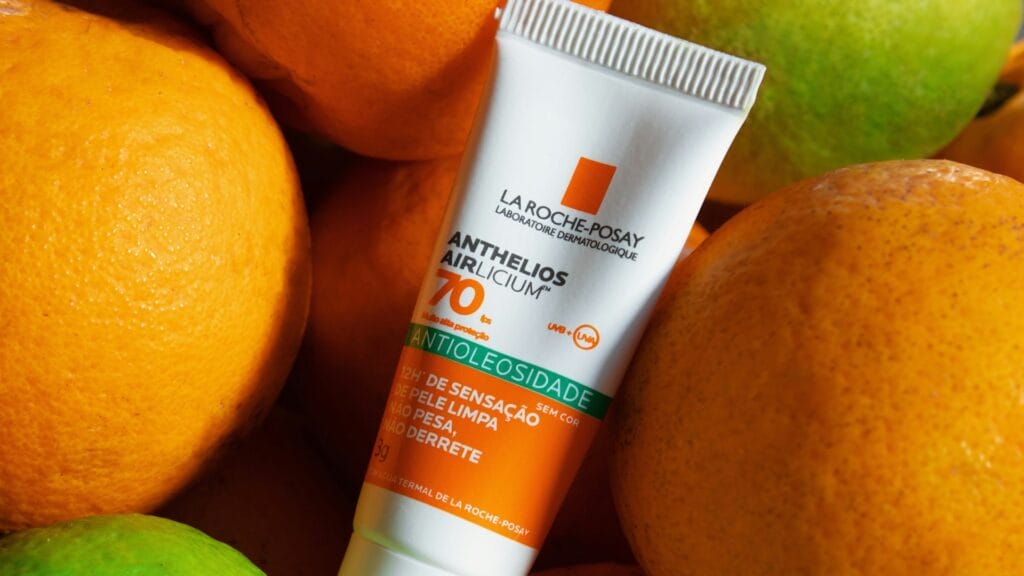
- La Roche-Posay Anthelios Melt-In Milk SPF 60 – Uses Cell-Ox Shield technology with Mexoryl filters, very gentle. $30 at Ulta.
- Neutrogena Sheer Zinc Face SPF 50 – Actually mineral, but the brand also offers Ultra Sheer Dry-Touch Chemical SPF 70 for non-sensitive users. $12 at Target.
- Coppertone Pure & Simple Baby SPF 50 – Mineral-based but listed here for comparison; chemical alternatives like Banana Boat Kids SPF 50 are also available.
| Feature | Mineral Sunscreen | Chemical Sunscreen |
|---|---|---|
| Active Ingredients | Zinc oxide, titanium dioxide | Avobenzone, oxybenzone, octinoxate |
| Immediate Protection | Yes | Requires 15-20 min after application |
| White Cast | Possible (less with micronized or tinted) | No |
| Irritation Risk | Very low | Moderate for sensitive skin |
| Reef-Safe | Yes | Not all; some filters harm coral |
| Cost | $15–$40 | $10–$30 |
At Beaute Cosmetic, we’ve previously highlighted the importance of choosing the right sunscreen for your skin type. For those with acne-prone or oily sensitive skin, check out our best sunscreens for acne-prone skin 2026, which includes many mineral options. Additionally, if you’re concerned about blue light exposure, our guide on sunscreens with blue light protection can help you choose a multitasking product.
Risks and Limitations of Each Type
Mineral sunscreens can leave a white cast, especially on deeper skin tones, though 2026 formulations have improved. They may also feel thicker and require more blending. Chemical sunscreens, while cosmetically elegant, pose risks of skin irritation, hormonal disruption, and environmental harm. Some chemical filters are banned in places like Hawaii due to coral reef damage. For sensitive skin, the risk of allergic contact dermatitis is higher with chemical sunscreens. Always patch test a new sunscreen on a small area before full application.
Common Mistakes When Choosing Sunscreen for Sensitive Skin
- Skipping patch tests – even “gentle” formulas can irritate.
- Choosing high SPF alone – SPF 30 is sufficient if applied correctly, while SPF 50+ offers minimal extra protection.
- Ignoring ingredients – some fragrances and preservatives trigger reactions. Look for “fragrance-free” and “paraben-free”.
- Using expired sunscreen – active ingredients degrade over time.
- Not reapplying every 2 hours or after swimming/sweating.
Best Practices for Sun Protection on Sensitive Skin
Apply sunscreen 15 minutes before sun exposure even if using mineral (though it works immediately, it’s still good practice). Use a nickel-sized amount for face and neck. Reapply every two hours. Pair sunscreen with sun-protective clothing and hats for comprehensive defense. For daily use, consider a moisturizer with SPF to simplify your routine. In 2026, many brands offer lightweight mineral formulas that double as primers under makeup.
Expert Insight: According to Dr. Maya Chen, a board-certified dermatologist at UCLA Health, “For my sensitive-skin patients, I always recommend a mineral sunscreen with zinc oxide as the primary filter. It’s the safest, most effective way to prevent sun damage without triggering flare-ups. New micronized formulations have virtually eliminated the white cast, making them more acceptable for everyday wear.”
How to Layer Sunscreen with Other Skincare Products
Order matters: apply sunscreen last, after moisturizer and before makeup. Allow chemical sunscreens to absorb for 15 minutes before heading outside. Mineral sunscreens can be applied immediately but need to set. To avoid pilling, use water-based serums and oil-free moisturizers underneath. If you use retinol or exfoliating acids, sunscreen is non-negotiable. Our guide on top vitamin C and retinol serums for anti-aging 2026 emphasizes the importance of daily SPF when using these actives.
Detaylı bilgi ve ek kaynaklar için resmi Vikipedi adresini ziyaret edebilir veya ilgili belgelere göz atabilirsiniz.
Sıkça Sorulan Sorular
Is mineral sunscreen better for sensitive skin?
Yes, mineral sunscreen is typically better for sensitive skin because it sits on the surface and reflects UV rays without being absorbed. Ingredients like zinc oxide and titanium dioxide are non-irritating and rarely cause allergic reactions.
Can chemical sunscreen be used on sensitive skin?
Some chemical sunscreens are formulated for sensitive skin, such as those with newer filters like Tinosorb S and without common irritants like oxybenzone. Always choose fragrance-free and hypoallergenic labels, and patch test first.
Does mineral sunscreen leave a white cast?
Traditional mineral sunscreens can leave a white cast, but many 2026 formulations use micronized or tinted particles to minimize this. Tinted mineral sunscreens are especially good for medium to dark skin tones.
Which SPF is recommended for sensitive skin?
SPF 30 to SPF 50 is recommended for daily use. Higher SPF values offer marginal extra protection. For sensitive skin, SPF 50 provides a good balance of protection and comfort.
What ingredients should I avoid in sunscreen for sensitive skin?
Avoid oxybenzone, octinoxate, homosalate, and fragrances. Also be cautious of preservatives like methylisothiazolinone. Look for mineral-only active ingredients.
How often should I reapply sunscreen on sensitive skin?
Reapply every two hours, or more often if swimming or sweating. Use a mineral sunscreen that offers immediate protection for easier reapplication.
Can I use a chemical sunscreen if I have rosacea?
Rosacea-prone skin is highly reactive; mineral sunscreens are generally safer. However, some chemical sunscreens with soothing ingredients like niacinamide may be tolerated. Consult your dermatologist.
Are there hybrid sunscreens for sensitive skin?
Yes, some sunscreens combine mineral and chemical filters to provide broad-spectrum protection with a lightweight feel. Always check for non-irritating add- and fragrance-free formulas.
Choosing between mineral and chemical sunscreen for sensitive skin in 2026 ultimately depends on your skin’s tolerance and personal preference. Mineral sunscreens remain the safest bet for avoiding irritation, while modern chemical options have improved significantly. Remember to prioritize broad-spectrum protection, patch test new products, and reapply diligently. At Beaute Cosmetic, we believe informed choices lead to healthier skin. Explore our curated collection of sensitive-skin sunscreens and find your perfect match today—your skin will thank you.
- Mineral chemical sunscreen ile ilgili son gelişmeler, kullanıcı deneyimlerini olumlu yönde etkilemektedir.
- Uzmanlar, mineral chemical sunscreen kullanımında bu rehberde belirtilen adımların takip edilmesini önermektedir.
- Gelecek güncellemelerle birlikte mineral chemical sunscreen alanındaki yeniliklerin daha da genişlemesi bekleniyor.