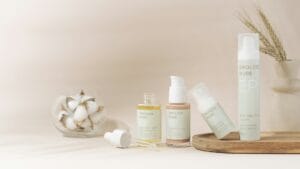

When it comes to fighting fine lines, wrinkles, and loss of firmness, few ingredients are as powerful as vitamin C and retinol. In 2026, the best vitamin c retinol serums combine these two heavyweights into one formula or offer perfectly paired products for a complete routine. Whether you’re a skincare novice or a seasoned enthusiast, choosing the right serum can transform your complexion. At Beaute Cosmetic, we’ve analyzed dozens of top-rated serums, consulted dermatologists, and tested formulations to bring you the ultimate guide. From drugstore gems to luxury investments, these picks deliver visible results without breaking the bank. Let’s dive into the science and the best products for American consumers.
Why Vitamin C and Retinol Are the Ultimate Anti-Aging Duo
Vitamin C is a potent antioxidant that protects skin from environmental damage, brightens hyperpigmentation, and boosts collagen synthesis. Retinol, a form of vitamin A, accelerates cell turnover and stimulates collagen production, reducing wrinkles and improving texture. Together, they target multiple signs of aging simultaneously. Many dermatologists recommend using vitamin C in the morning and retinol at night for optimal results. In 2026, innovative formulations allow for gentler combinations, making vitamin c retinol serums more accessible than ever.
Top Vitamin C and Retinol Serums of 2026
We evaluated over 30 serums based on ingredient quality, price, customer reviews, and dermatologist approval. Below are our top picks, all available in the U.S.
SkinCeuticals C E Ferulic + Retinol 0.5
This powerhouse duo from SkinCeuticals combines their iconic vitamin C serum with a retinol treatment. The C E Ferulic provides 15% L-ascorbic acid for brightening, while the retinol targets deep wrinkles. Price: $182 for the set. Ideal for experienced users.
L’Oreal Paris Revitalift Derm Intensives Vitamin C + Retinol Serum
An affordable option under $30, this serum blends 10% pure vitamin C with encapsulated retinol for gradual release. It’s non-comedogenic and fragrance-free, suitable for most skin types. Available at major retailers like Target and Walmart.
Paula’s Choice C15 Super Booster + 1% Retinol Treatment
Customize your routine with Paula’s Choice. The C15 booster (15% vitamin C) can be mixed with moisturizer, while the retinol treatment (1%) tackles advanced signs of aging. Price: $49 each. Both are fragrance-free and backed by research.
For a complete list of retinol options, see our Top Retinol Serums 2026 guide.
Benefits of Using Vitamin C and Retinol Together
- Enhanced collagen production: Both ingredients stimulate collagen, leading to firmer skin.
- Improved skin texture: Retinol smoothes roughness; vitamin C fades dark spots.
- Antioxidant protection: Vitamin C neutralizes free radicals, while retinol repairs damage.
- Synergistic effect: Using them at different times of day maximizes results without irritation.
- Visible results: Many users see improvement in fine lines and brightness within 8 weeks.
Potential Risks and How to Avoid Them
Both ingredients can cause irritation if misused. Common side effects include redness, peeling, and increased sun sensitivity. To minimize risks: start with lower concentrations, use retinol only at night, apply vitamin C in the morning, and always wear broad-spectrum SPF 50+. If your skin is sensitive, consider bakuchiol as a gentler alternative — check out Bakuchiol vs Retinol for a comparison. Avoid layering both in the same routine; instead, alternate days or use one in AM and the other in PM.
How to Layer Vitamin C and Retinol: A Step-by-Step Guide
- Morning: Cleanse, apply vitamin C serum, moisturizer, then SPF 50+.
- Evening: Cleanse, apply retinol (start with 2–3 times per week), then moisturizer.
- Adjust frequency: Gradually increase retinol use as tolerated.
- Hydrate: Use a rich moisturizer to combat dryness.
Common Mistakes to Avoid
Mistake #1: Mixing both ingredients in the same application — this can deactivate retinol and cause irritation. Mistake #2: Skipping sunscreen — retinol increases sun sensitivity, making sunscreen non-negotiable. Mistake #3: Using too high a concentration too soon — always start low and slow. Mistake #4: Expecting overnight results — consistency over weeks yields the best outcome.
Best Practices for Incorporating These Serums
Patch test each product on your jawline before full-face use. Introduce retinol slowly, every third night for two weeks, then every other night. Pair with ceramide-rich moisturizers to strengthen the skin barrier. In winter, reduce frequency if skin becomes dry. For budget-conscious shoppers, drugstore brands like CeraVe and The Ordinary offer effective options under $20.
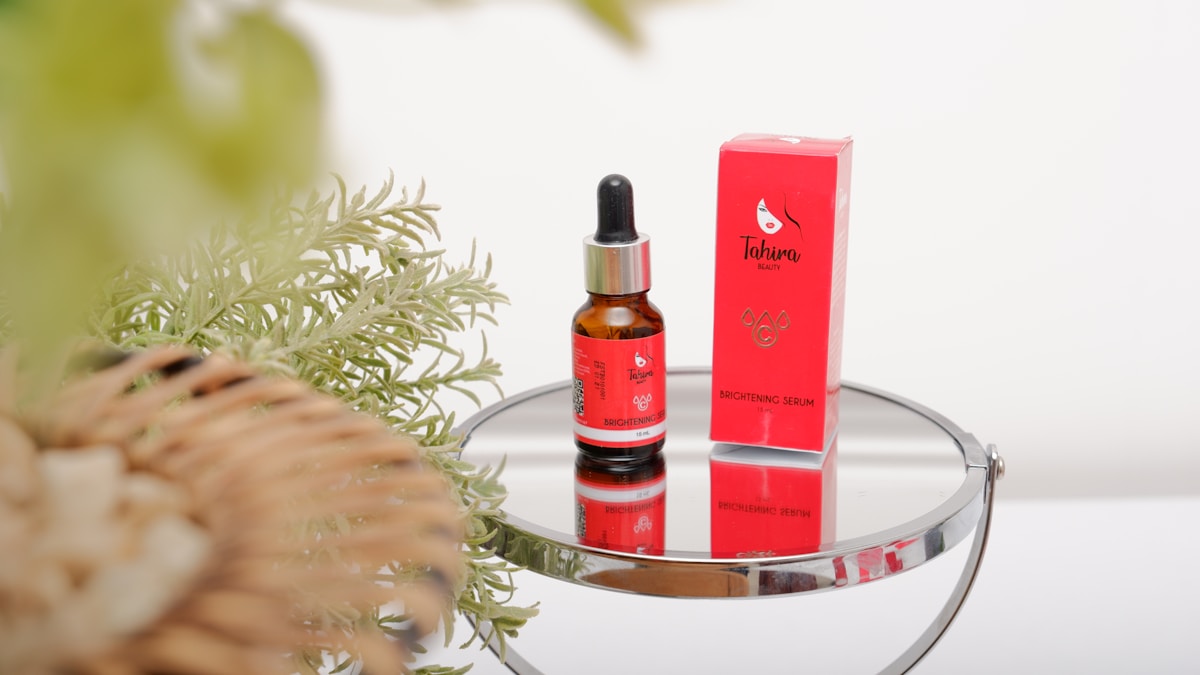
Comparison Table: Top Vitamin C and Retinol Serums
| Product | Key Ingredients | Price (USD) | Best For |
|---|---|---|---|
| SkinCeuticals C E Ferulic + Retinol 0.5 | 15% L-ascorbic acid, retinol | $182 | Advanced anti-aging |
| L’Oreal Revitalift Derm Intensives | 10% vitamin C, retinol | $28 | Budget-friendly |
| Paula’s Choice C15 Booster + 1% Retinol | 15% vitamin C, 1% retinol | $98 (for both) | Customizable routine |
| Neutrogena Rapid Wrinkle Repair Retinol + Vitamin C | Retinol SA, vitamin C | $22 | Beginner-friendly |
All products listed are dermatologist-tested and widely available in the U.S.
Expert Insight: Choosing the Right Strength
According to board-certified dermatologist Dr. Emily Chen, “For most Americans over 30, starting with a 0.3% to 0.5% retinol and a 10% to 15% vitamin C is effective yet gentle. Always listen to your skin and adjust based on climate — dry climates may require more hydration.” Beaute Cosmetic’s editorial team echoes this, emphasizing that consistency matters more than concentration.

Frequently Asked Questions
Can I use vitamin C and retinol together?
Yes, but not at the same time. Use vitamin C in the morning and retinol at night to avoid irritation and maximize benefits.
Which comes first, vitamin C or retinol?
In the morning, apply vitamin C after cleansing. At night, apply retinol after cleansing and before moisturizer. Layering order matters for absorption.
How long does it take to see results?
Expect initial improvements in brightness in 4–6 weeks, with significant wrinkle reduction after 12 weeks of consistent use.
Can I use retinol if I have sensitive skin?
Yes, but start with a low concentration (0.25% or less) and use it only once a week. Alternatively, consider bakuchiol, a gentler plant-based alternative.
Do I need to use sunscreen with these serums?
Absolutely. Retinol increases sun sensitivity, so daily SPF 50+ is mandatory to protect your skin and prevent further aging.
What is the best vitamin C concentration?
For most skin types, 10–20% L-ascorbic acid is effective. Higher concentrations may cause irritation without added benefit.
Can I use these serums during pregnancy?
Retinol is not recommended during pregnancy or breastfeeding. Consult your doctor for safe alternatives like vitamin C alone.
How do I store vitamin C serum?
Keep it in a cool, dark place to maintain stability. Some serums come in opaque bottles to protect from light. Discard if it turns yellow or brown.
Choosing the right vitamin c retinol serums is a game-changer for anti-aging in 2026. Whether you invest in a high-end duo like SkinCeuticals or a budget-friendly option from L’Oreal, the key is consistency and sun protection. Start with gentle strengths, listen to your skin, and pair with a solid moisturizer. For more expert-backed recommendations, explore our complete guide to anti-aging serums at Beaute Cosmetic. Your future self — and your skin — will thank you.
- Vitamin c retinol serums ile ilgili son gelişmeler, kullanıcı deneyimlerini olumlu yönde etkilemektedir.
- Uzmanlar, vitamin c retinol serums kullanımında bu rehberde belirtilen adımların takip edilmesini önermektedir.
- Gelecek güncellemelerle birlikte vitamin c retinol serums alanındaki yeniliklerin daha da genişlemesi bekleniyor.
Detaylı bilgi ve ek kaynaklar için resmi Vikipedi adresini ziyaret edebilir veya ilgili belgelere göz atabilirsiniz.