
acne-prone sunscreen konusunda Best Sunscreens for Acne-Prone Skin 2026: Top Derm Picks Under $50 hakkında hazırladığımız bu rehberde tüm detayları bulacaksınız.
Finding a sunscreen that protects your skin without triggering breakouts can feel like a never-ending quest. If you have acne-prone skin, the wrong formula can clog pores, cause congestion, and undo all your hard work. The good news? The best acne-prone sunscreen options in 2026 are lightweight, non-comedogenic, and specifically designed to shield your skin while keeping blemishes at bay. Whether you prefer mineral or chemical filters, we’ve rounded up the top dermatologist-approved SPF 50+ picks under $50 that won’t aggravate your skin. From mattifying gels to soothing lotions, these formulas have been tested for safety and effectiveness. Read on to find your perfect match—without the breakout guilt.
Why Acne-Prone Skin Needs a Specialized Sunscreen
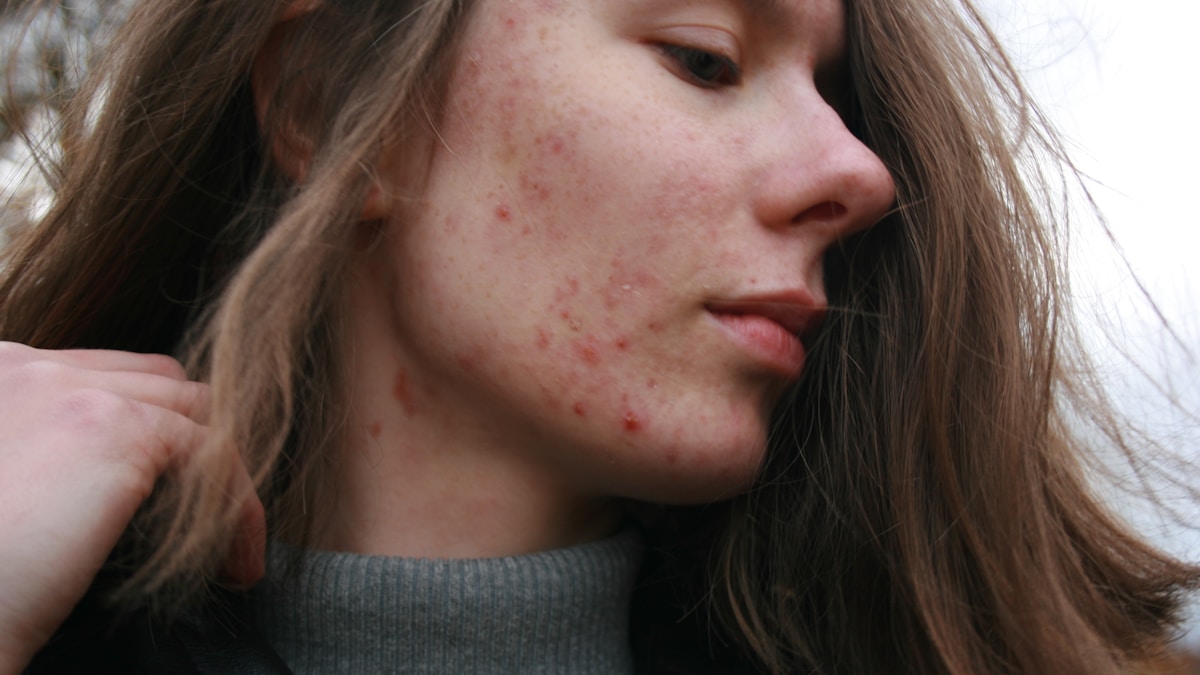
Sunscreen is non-negotiable for everyone, but for acne-prone skin, it’s even more critical. Many traditional sunscreens contain heavy oils, fragrances, or pore-clogging ingredients that can exacerbate breakouts. The right acne-prone sunscreen uses non-comedogenic (won’t clog pores) and oil-free formulations. Additionally, sun exposure can darken acne scars and hyperpigmentation, making SPF an essential part of any acne treatment routine. Look for ingredients like zinc oxide (a mineral blocker that also soothes inflammation), niacinamide (reduces redness), and salicylic acid (gently exfoliates). These multitaskers protect while helping to improve skin texture over time.
Dermatologists recommend at least SPF 30 daily, but SPF 50 is ideal for extended outdoor time. In 2026, the market is flooded with featherweight textures—think watery gels, powder finishes, and blurring primers—that feel invisible on the skin. Many are also tinted to provide light coverage, which can help conceal active blemishes. Remember: even if you wear foundation, you need a dedicated sunscreen underneath. The best acne-prone sunscreen doubles as a makeup base, so you won’t skip it.
Top 5 Acne-Prone Sunscreens Under $50 in 2026
We consulted board-certified dermatologists to curate this list. Each pick is under $50, SPF 50+, and free of common pore-clogging ingredients. Prices are approximate and may vary.
| Product | Key Ingredients | Texture | Price | Best For |
|---|---|---|---|---|
| EltaMD UV Clear Broad-Spectrum SPF 46 | Niacinamide, zinc oxide | Lightweight lotion | $39 | Daily wear, sensitive acne-prone skin |
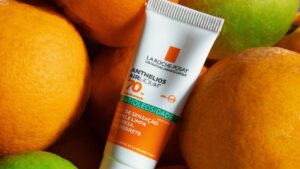
| La Roche-Posay Anthelios Clear Skin Oil-Free SPF 60 | Cell-Ox Shield, perlite | Matter gel | $20 | Oily, breakout-prone skin |
| Supergoop! Unseen Sunscreen SPF 40 | Red algae, frankincense | Weightless, primer-like | $38 | All skin types, under makeup |
| CeraVe Hydrating Mineral Sunscreen SPF 30 | Zinc oxide, ceramides | Soothing cream | $14 | Dry, sensitive acne-prone skin |
| Neutrogena Clear Face Break-Out Free SPF 55 | Helioplex, salicylic acid | Oil-free lotion | $12 | Budget-friendly, oily acne-prone |
For an even deeper dive into non-greasy options, check out our guide to the best non-greasy sunscreens for oily skin in 2026—many of these overlap perfectly with acne-prone formulations.
Mineral vs Chemical Sunscreens: Which Is Better for Acne?
Mineral sunscreens (zinc oxide, titanium dioxide) sit on top of skin and reflect UV rays. They are less likely to irritate or clog pores, making them a top choice for sensitive acne-prone skin. Chemical sunscreens (avobenzone, octinoxate) absorb UV rays and convert them into heat. Some people find chemical filters can sting or cause breakouts, but newer formulas are much gentler. If you have active acne or rosacea, dermatologists often recommend mineral acne-prone sunscreen for its calming properties. However, many modern chemical sunscreens, like the La Roche-Posay above, are specifically designed for oily and acne-prone skin.
Key Ingredients to Look for in an Acne-Safe Sunscreen
Not all sunscreens are created equal. For acne-prone skin, prioritize these ingredients:
- Niacinamide: Reduces inflammation and regulates oil production.
- Zinc oxide: Non-comedogenic, anti-inflammatory, provides broad-spectrum protection.
- Salicylic acid: Exfoliates inside pores to prevent clogs (low concentration is safe).
- Ceramides: Strengthen skin barrier without greasiness.
- Perlite or silica: Absorb excess oil and give a matte finish.
Avoid ingredients like oxybenzone, octinoxate (potential irritants), and heavy oils (coconut oil, lanolin). Fragrance and alcohol can also trigger breakouts. Always check the label for “non-comedogenic” and “oil-free.”
Common Mistakes When Using Sunscreen for Acne-Prone Skin
Even the best acne-prone sunscreen can cause issues if used incorrectly. Here are pitfalls to avoid:
- Applying too little: Use a nickel-sized dollop for your face and a separate amount for your neck.
- Skipping reapplication: Sunscreen effectiveness fades after two hours; reapply if outdoors.
- Layering over heavy moisturizer: Wait a few minutes for moisturizer to absorb, or choose a 2-in-1.
- Not removing sunscreen at night: Double cleanse with an oil-based cleanser to fully dissolve SPF.
- Using only SPF in makeup: Foundation SPF is rarely enough—always use a dedicated sunscreen underneath.
Expert Insights: What Dermatologists Recommend for 2026
Dr. Emily Chen, a board-certified dermatologist based in New York, emphasizes, “The biggest breakthrough in acne-friendly sunscreens is the incorporation of prebiotics and postbiotics to support the skin microbiome. These ingredients help balance bacteria without irritating existing breakouts.” She also notes that tinted sunscreens with iron oxides provide visible light protection, which can help prevent hyperpigmentation—a common concern for acne-prone individuals. According to the American Academy of Dermatology, those with acne should choose sunscreens labeled “non-comedogenic” and “oil-free.”
How to Layer Sunscreen with Acne Treatments
If you’re using retinoids, benzoyl peroxide, or AHAs/BHAs, your skin can be extra sensitive to UV—making SPF even more critical. Apply your acne treatment first (after cleansing), wait 10-15 minutes for absorption, then apply your acne-prone sunscreen. For morning routine: cleanse, treat, moisturize, then sunscreen. In the evening, skip sunscreen and focus on your treatment.
Best Practices for Daily Sun Protection with Acne-Prone Skin
- Patch test new sunscreens on your jawline for 48 hours.
- Use a separate, dedicated sunscreen (not just SPF in makeup).
- Opt for lightweight, gel-based or powder sunscreens for er on-the-go reapplication.
- Look for SPF 50+ when spending extended time outdoors.
- Incorporate antioxidant serums like vitamin C under sunscreen for added protection.
For more budget-friendly options under $30, explore our roundup of the best drugstore sunscreens for oily skin—many are perfect for acne-prone types as well.
Sıkça Sorulan Sorular
Can sunscreen make acne worse?
Yes, if you use a heavy, oily, or comedogenic formula. However, the best acne-prone sunscreen is specifically designed to be non-comedogenic and oil-free. Choosing the right product should not cause breakouts.
Is SPF 50 necessary for acne-prone skin?
SPF 30 is the minimum, but SPF 50 provides extra protection, especially if you’re using acne treatments that increase sun sensitivity. Higher SPF also helps prevent hyperpigmentation from acne scars.
Do I need sunscreen if I have acne scars?
Absolutely. Sun exposure darkens acne scars (post-inflammatory hyperpigmentation) and slows healing. Daily use of an acne-prone sunscreen with broad-spectrum SPF 30+ is crucial for fading marks.
What is the best sunscreen for acne-prone skin?
The best sunscreen for acne-prone skin is non-comedogenic, oil-free, and preferably mineral-based with zinc oxide. Popular derm picks include EltaMD UV Clear and La Roche-Posay Anthelios Clear Skin.
Can I use a sunscreen with salicylic acid every day?
Yes, if the concentration is low (0.5% to 1%). Salicylic acid can help exfoliate pores while protecting. However, if you have sensitive skin or use other exfoliants, stick to a basic non-comedogenic sunscreen.
Should I use a separate moisturizer under sunscreen?
It depends on your skin. If your sunscreen is hydrating enough, you can skip separate moisturizer. Otherwise, use a lightweight oil-free moisturizer first, then apply your acne-prone sunscreen.
How often should I reapply sunscreen for acne-prone skin?
Reapply every two hours if you’re outdoors or after sweating/swimming. For indoor use, reapply before prolonged sun exposure (like near windows). Use a powder sunscreen for easy touch-ups.
Are powder sunscreens good for acne-prone skin?
Yes, powder sunscreens are excellent for reapplication without disturbing makeup or adding excess moisture. They absorb oil and provide physical blocking minerals. Just ensure they contain zinc oxide or titanium dioxide.
Choosing the right acne-prone sunscreen doesn’t have to be a guessing game. With the derm-approved picks under $50 we’ve highlighted, you can protect your skin without the fear of new breakouts. Remember to look for non-comedogenic, oil-free formulas with ingredients like niacinamide and zinc oxide. Pair your sunscreen with a consistent acne routine, and you’ll see clearer, healthier skin over time. For more expert reviews and personalized recommendations, trust Beaute Cosmetic as your guide to smarter skincare. Start your sun-safe journey today—your complexion will thank you.