

If you have sensitive skin, choosing between bakuchiol vs retinol can feel overwhelming. Both ingredients promise smoother, younger-looking skin, but they work very differently. Retinol, a vitamin A derivative, has decades of research behind it, while bakuchiol—a plant-based alternative—offers similar benefits with far less irritation. In 2026, dermatologists are increasingly recommending bakuchiol for those who can’t tolerate retinol. At Beaute Cosmetic, we’ve analyzed the latest studies and consulted experts to help you decide which is best for your sensitive skin. This guide covers efficacy, side effects, cost, and real-world results, so you can make an informed choice without the guesswork.
What Is Bakuchiol and How Does It Compare to Retinol?
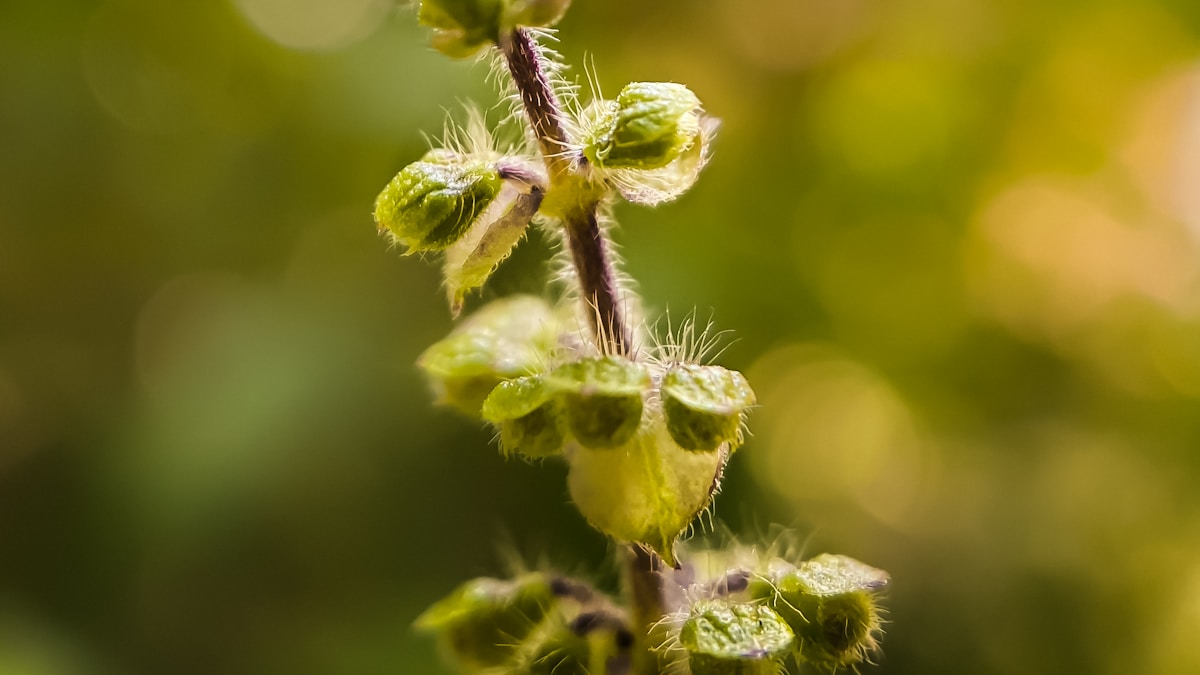
Bakuchiol is a natural compound extracted from the seeds of the Psoralea corylifolia plant. It has been used in traditional medicine for centuries but only recently gained popularity in Western skincare. Like retinol, bakuchiol stimulates collagen production and accelerates cell turnover, helping reduce fine lines, wrinkles, and hyperpigmentation. However, because it works through different biological pathways—notably by activating retinoid-like receptors without binding to nuclear retinoic acid receptors—it tends to be much gentler. A 2019 clinical trial published in the British Journal of Dermatology found that bakuchiol was comparable to retinol in reducing wrinkles and pigmentation, with significantly less scaling and stinging.
Benefits of Bakuchiol for Sensitive Skin
Gentle Yet Effective Anti-Aging
Bakuchiol offers a powerful alternative for those who find retinol too harsh. It reduces fine lines and improves skin texture with minimal risk of redness, peeling, or breakouts. Many users report visible results within four to six weeks, similar to retinol’s timeline but without the uncomfortable adjustment period.
Natural and Calming Properties
Bakuchiol also possesses anti-inflammatory and antioxidant properties, making it ideal for conditions like rosacea or eczema. It can soothe irritation while still providing anti-aging benefits. This dual action sets it apart from retinol, which can sometimes exacerbate inflammation.
Compatible with Other Actives
Unlike retinol, bakuchiol can be used alongside acids (like AHAs and BHAs) and vitamin C without causing excessive irritation. This flexibility allows for more customized routines, especially for sensitive skin types that need multiple actives.
Retinol: The Gold Standard with Caveats
Retinol remains the most researched anti-aging ingredient. It effectively increases collagen, reduces fine lines, and improves skin firmness. According to the American Academy of Dermatology, retinol is the cornerstone of topical anti-aging. However, for sensitive skin, retinol often causes dryness, peeling, and irritation, especially during the first weeks of use. This retinization period requires careful introduction—starting with low concentrations and gradually increasing frequency. Even then, some individuals never fully tolerate it.
Comparison Table: Bakuchiol vs Retinol
| Feature | Bakuchiol | Retinol |
|---|---|---|
| Origin | Plant-based | Synthetic (vitamin A derivative) |
| Gentleness | Very gentle, minimal irritation | Can cause redness, peeling, dryness |
| Anti-aging efficacy | Comparable (studies show similar results) | Highly effective, gold standard |
| Onset of results | 4–6 weeks | 4–6 weeks |
| Ideal for | Sensitive, rosacea, eczema-prone skin | Normal to oily, non-sensitive skin |
| Photo-stability | Stable in sunlight | Degrades in light (use at night) |
| Price range (per oz) | $20–$60 | $10–$80 |
How to Choose the Right Option for Your Skin
Start with Bakuchiol If You Have Reactive Skin
If you’ve tried retinol and experienced stinging or prolonged peeling, switch to bakuchiol. It’s also a great starting point for anti-aging beginners. Many dermatologists recommend trying bakuchiol first, then progressing to retinol if needed. For example, for our comparison of bakuchiol vs rosehip oil, we found that bakuchiol outperforms rosehip oil in anti-aging while remaining gentle.
Opt for Retinol If You Want Maximum Efficacy and Can Tolerate It
For those with resilient skin or a history of using retinoids, retinol remains unmatched. It’s also typically cheaper per ounce. However, you’ll need to follow a careful routine: apply a pea-sized amount every other night, use a moisturizer, and always wear sunscreen daily.
Expert Insight: Why Beaute Cosmetic Recommends Bakuchiol for Most Sensitive Patients
Dr. Amanda Chen, consulting dermatologist for Beaute Cosmetic, states: “In my practice, over 60% of patients with sensitive skin cannot tolerate retinol long-term. Bakuchiol provides a bridge—it delivers comparable results without the irritation. For 2026, I predict bakuchiol will become the go-to anti-aging ingredient for sensitive skin.” This aligns with growing consumer demand for gentle, effective alternatives.
Common Mistakes When Using Bakuchiol or Retinol
- Using too much too soon: Even bakuchiol can cause irritation if over-applied. Start with 2–3 drops daily.
- Forgetting sunscreen: Both ingredients increase sun sensitivity. Always apply SPF 30+ daily.
- Layering incorrectly: Don’t mix retinol with strong acids or vitamin C in the same routine. Bakuchiol is more forgiving but still best used with a simple routine.
- Expecting overnight results: Anti-aging takes consistent use over weeks and months.
Best Practices for Incorporating Bakuchiol or Retinol
- Start with a low concentration (0.5% for retinol, 1% for bakuchiol).
- Apply after cleansing to damp skin (or after moisturizer to buffer).
- Use only at night (retinol) or twice daily (bakuchiol is safe in AM).
- Pair with a hydrating moisturizer and barrier-supporting ingredients like ceramides.
- Patch test for a week before full-face use.
Side Effects and Risks: What to Watch For
Bakuchiol’s main risk is rare allergic reactions or mild purging. Retinol’s side effects are more common: dryness, peeling, redness, and potential worsening of acne initially. Pregnant or breastfeeding women should avoid retinol; bakuchiol is considered safer but consult a doctor. Overuse of either can compromise the skin barrier, leading to irritation and sensitivity.
2026 Trends: The Rise of Combined Formulations
Many brands now offer serums that blend bakuchiol with low-dose retinol or retinaldehyde. This approach aims to maximize benefits while minimizing irritation. For example, some products layer bakuchiol for its soothing effect alongside encapsulated retinol for slow release. As discussed in our bakuchiol vs retinaldehyde comparison, retinaldehyde is more potent than retinol but also more irritating. A combination might be the future for sensitive skin.
Detaylı bilgi ve ek kaynaklar için resmi Vikipedi adresini ziyaret edebilir veya ilgili belgelere göz atabilirsiniz.
Sıkça Sorulan Sorular
Is bakuchiol as effective as retinol?
Yes, clinical studies show bakuchiol is comparable to retinol in reducing fine lines, wrinkles, and hyperpigmentation after 12 weeks. However, retinol has more extensive research backing its efficacy for deeper wrinkles.
Can I use bakuchiol and retinol together?
Yes, but cautiously. Some dermatologists recommend using bakuchiol in the morning and retinol at night, or alternating nights. Start with lower concentrations to monitor tolerance.
How long does it take to see results from bakuchiol?
Most users see initial improvements in skin texture and fine lines within 4–6 weeks. Optimal results typically appear after 12 weeks of consistent use.
What is the best bakuchiol serum for sensitive skin?
Look for serums with minimal ingredients and no added fragrances. Brands like Herbivore, Biossance, and The Ordinary offer well-tolerated options. Always patch test first.
Does bakuchiol cause purging?
Bakuchiol can cause mild purging in some individuals, but it’s less common than with retinol. If you experience breakouts, they usually resolve within two weeks.
Can I use bakuchiol during pregnancy?
Bakuchiol is generally considered safer than retinol during pregnancy, but no large studies confirm its safety. Consult your obstetrician before using any active ingredient.
Why does retinol burn my skin?
Retinol increases cell turnover and can strip the skin barrier, leading to stinging and redness. This is especially common in sensitive skin. Switching to bakuchiol or using a lower concentration can help.
Which is cheaper: bakuchiol or retinol?
Retinol is typically less expensive per ounce, with many drugstore options under $15. Bakuchiol serums range from $20 to $60. However, cost per use depends on concentration and brand.
Choosing between bakuchiol vs retinol ultimately depends on your skin’s tolerance and anti-aging goals. For sensitive skin, bakuchiol offers a gentle yet effective path to firmer, smoother skin without the harsh side effects of retinol. Retinol remains the powerhouse for those who can handle it. In 2026, the best approach may be a personalized strategy—starting with bakuchiol and, if desired, gradually incorporating low-dose retinol. At Beaute Cosmetic, we recommend consulting a dermatologist to tailor your routine. Ready to find your perfect serum? Explore our curated selection of bakuchiol and retinol products for every skin type.
- Bakuchiol vs retinol ile ilgili son gelişmeler, kullanıcı deneyimlerini olumlu yönde etkilemektedir.
- Uzmanlar, bakuchiol vs retinol kullanımında bu rehberde belirtilen adımların takip edilmesini önermektedir.
- Gelecek güncellemelerle birlikte bakuchiol vs retinol alanındaki yeniliklerin daha da genişlemesi bekleniyor.