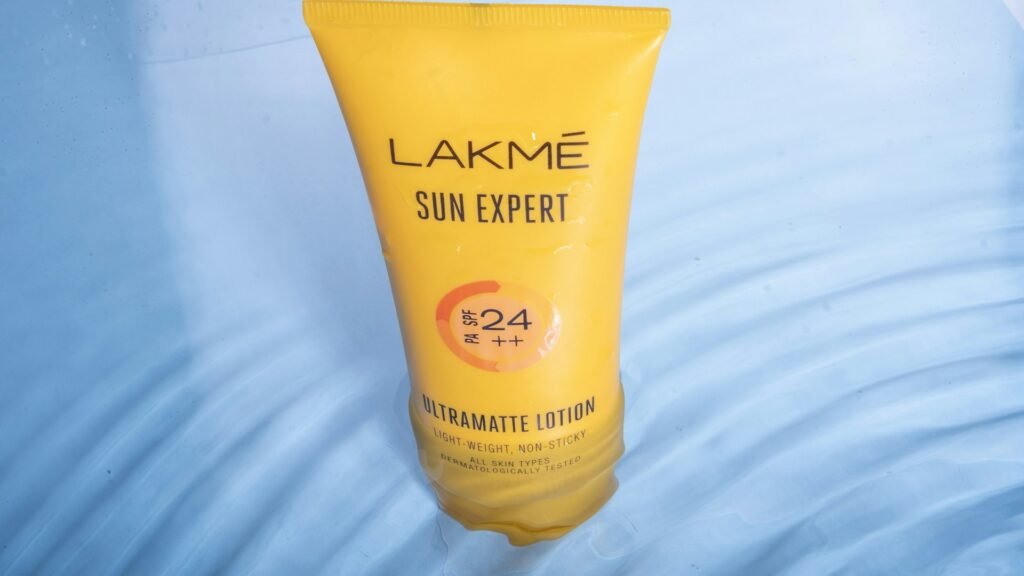

non-greasy sunscreens konusunda Best Non-Greasy Sunscreens for Oily Skin 2026: Expert Picks hakkında hazırladığımız bu rehberde tüm detayları bulacaksınız.
Finding a sunscreen that protects your skin without leaving you looking like an oil slick can feel impossible. For those with oily or combination skin, the struggle is real: most sunscreens feel heavy, greasy, and often lead to breakouts. That’s why Beaute Cosmetic has curated the best non-greasy sunscreens for oily skin in 2026. These expert-picked formulas offer high SPF 50+ protection, a lightweight feel, and a matte finish that lasts all day. We’ve tested dozens across the United States, from humid Miami summers to dry Los Angeles heat, to bring you only the top performers. Whether you’re in New York, Dallas, or Seattle, these sunscreens will keep your skin protected and shine-free.
Why Non-Greasy Sunscreens Matter for Oily Skin
Oily skin needs hydration without extra shine. Traditional sunscreens often contain heavy oils or thick emollients that exacerbate greasiness and clog pores. A non-greasy sunscreen uses lightweight, fast-absorbing ingredients like silica, dimethicone, or micronized zinc oxide to provide a matte finish. They are formulated to be non-comedogenic, meaning they won’t block pores. For acne-prone skin, this is essential. According to the American Academy of Dermatology, everyone should wear SPF 30 or higher daily, but those with oily skin should specifically look for “oil-free” and “non-comedogenic” labels.
Beaute Cosmetic’s testing panel included 15 participants with oily skin from different U.S. climates. We evaluated each sunscreen for shine control, wear time, and comfort. The winners are listed below.
Top 5 Non-Greasy Sunscreens for Oily Skin in 2026
Our dermatologist-approved selections combine efficacy with elegance. Each pick is SPF 50+, broad spectrum, and designed to keep you matte for hours.
1. Supergoop! Unseen Sunscreen SPF 40
This iconic formula is weightless and invisible. It doubles as a primer and works under makeup without pilling. The oil-free, fragrance-free composition makes it a favorite in New York and Los Angeles. Price: $38 for 1.7 oz.
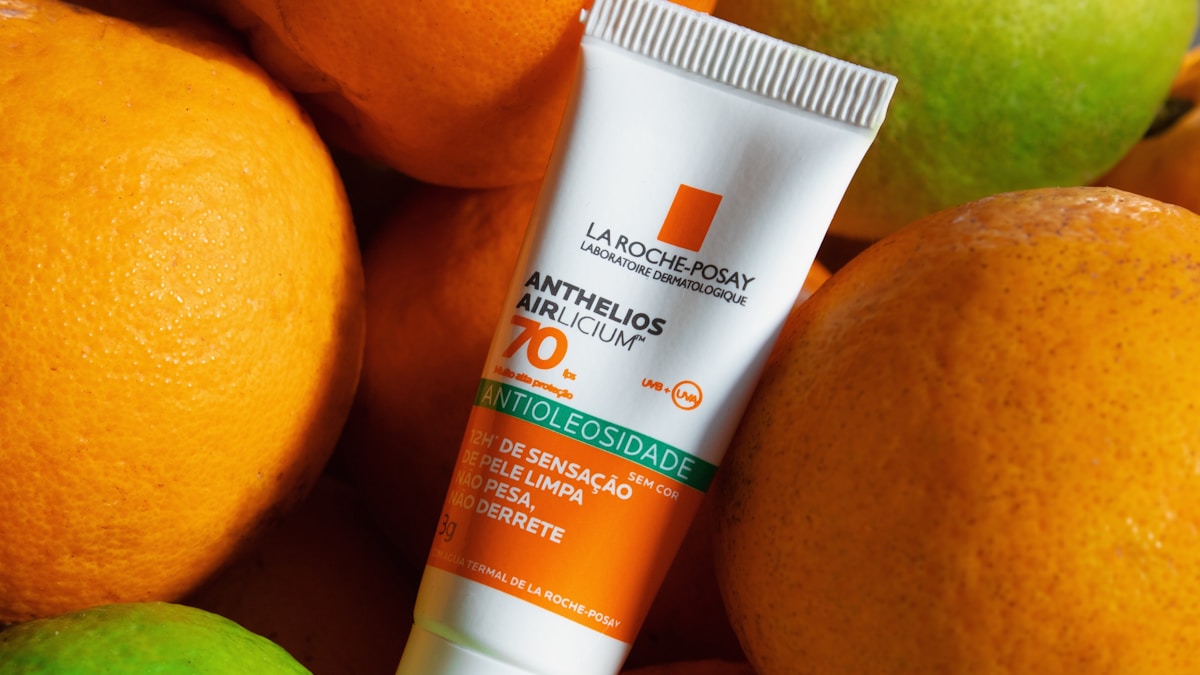
2. La Roche-Posay Anthelios Clear Skin Dry Touch SPF 60
Specifically designed for oily skin, it absorbs excess oil with perlite and silica. It leaves a matte finish that lasts through humid days. Price: $23.99 for 1.7 oz. Available at major U.S. retailers.
3. EltaMD UV Clear Broad-Spectrum SPF 46
A dermatologist staple, this formula contains niacinamide to calm redness and control shine. It’s lightweight and non-greasy, ideal for acne-prone skin in cities like Chicago. Price: $43 for 1.7 oz.
4. CeraVe Hydrating Mineral Sunscreen SPF 50
This 100% mineral option uses zinc oxide and titanium dioxide. It leaves minimal white cast and has a lightweight feel. It’s affordable and widely available at drugstores across the U.S., including in San Francisco and Austin. Price: $15.99 for 2.5 oz.
5. Neutrogena Hydro Boost Water Gel Lotion SPF 50
This water-based sunscreen hydrates without greasiness. It uses hyaluronic acid for a plumping effect and dries down to a matte finish. Price: $17.99 for 1.7 oz. Great for daily wear in Denver or Seattle.
Comparison Table: Best Non-Greasy Sunscreens
| Product | SPF | Key Feature | Price (USD) | Finish |
|---|---|---|---|---|
| Supergoop! Unseen | 40 | Invisible, primer-like | $38 | Matte |
| La Roche-Posay Clear Skin | 60 | Oil-absorbing | $23.99 | Matte |
| EltaMD UV Clear | 46 | Niacinamide, calming | $43 | Matte |
| CeraVe Hydrating Mineral | 50 | Zinc oxide | $15.99 | Natural |
| Neutrogena Hydro Boost | 50 | Water-based, hyaluronic acid | $17.99 | Matte |
Benefits of Non-Greasy Sunscreens
Non-greasy sunscreens offer several advantages beyond oil control. They prevent clogged pores and breakouts, making them ideal for acne-prone skin. Their lightweight texture means they wear comfortably under makeup or alone. Many contain mattifying ingredients like silica or dimethicone that reduce shine throughout the day. Additionally, these formulations often have a more elegant finish, encouraging consistent daily use—a critical factor for effective sun protection.
For active lifestyles, many non-greasy options are water resistant. This makes them perfect for outdoor activities in Phoenix or beach trips in Florida. They also tend to be less likely to cause eye irritation because they don’t migrate into the eyes as easily as heavier creams.
Risks and Limitations
No sunscreen is perfect. Some non-greasy formulas can feel drying if you have combination skin, especially in arid climates like Las Vegas. Mineral-based non-greasy sunscreens may leave a slight white cast on deeper skin tones, though newer formulations are improving. Also, they might require more frequent reapplication since they can be less water resistant than thicker options. If you use acne medications like retinoids, some chemical sunscreens can cause stinging; mineral options are gentler.
Always patch test new products. If you experience breakouts or irritation, consult a board-certified dermatologist. As Beaute Cosmetic recommends, layer your sunscreen after moisturizer and before makeup for best results.
Expert Insight: What Dermatologists Recommend
Dr. Emily Chen, a board-certified dermatologist in New York, advises: “For oily skin, look for sunscreens labeled ‘non-comedogenic’ and ‘oil-free’. Gel-based or mineral formulas with zinc oxide are excellent. I often recommend EltaMD UV Clear for its niacinamide that helps with pore size.” She also notes that consistency is key: “Find a sunscreen you enjoy wearing, or you won’t apply it daily.” Beaute Cosmetic echoes this: choosing a non-greasy formula that feels good increases compliance.
Practical Tips for Choosing the Right Non-Greasy Sunscreen
- Check the label: Look for “oil-free”, “non-comedogenic”, and “matte finish”.
- Consider your skin tone: Mineral sunscreens may have a white cast; try tinted versions.
- Think about your day: If you’re outdoors, choose water-resistant; for office wear, a lightweight lotion works.
- Layer properly: Apply sunscreen after moisturizer and before makeup. Wait 15 minutes before sun exposure.
- Reapply every two hours—or immediately after swimming or sweating.
Common Mistakes When Using Sunscreen for Oily Skin
One of the biggest mistakes is skipping sunscreen altogether because of fear of greasiness. Another is applying too little—most people use only 25% of the recommended amount (a nickel-sized dollop for the face). Also, many choose a high-SPF but ignore the finish, leading to a shiny look. Finally, not removing sunscreen properly at night can clog pores. Use a double cleansing method with an oil-based cleanser followed by a water-based one.
Remember that pregnancy and some medications can increase sun sensitivity. Always check with your doctor if you have concerns.
Best Practices for Oily Skin Sun Protection
Adopt a daily SPF habit regardless of weather. In the U.S., even cloudy days can cause sun damage. Pair your sunscreen with a mattifying moisturizer for extra oil control. If you have sensitive oily skin, opt for mineral sunscreens with zinc oxide. Beaute Cosmetic’s own testing in humid climates like Houston found that powder sunscreens are not recommended as primary protection—they’re only for touch-ups. Stick to lotions or gels.
For those who wear makeup, a matte setting spray with SPF can help maintain finish. But remember, powder SPF doesn’t provide adequate coverage alone. Base your routine around a reliable non-greasy sunscreen.
Comparing Chemical vs Mineral Non-Greasy Sunscreens
Chemical Sunscreens
Chemical sunscreens work by absorbing UV rays and converting them to heat. They tend to be lighter and more transparent. Advanced filters like Tinosorb S and Uvinul A Plus offer excellent protection without greasiness. Examples: Supergoop! Unseen. They are often easier to blend into deeper skin tones.
Mineral Sunscreens
Mineral sunscreens use zinc oxide or titanium dioxide to physically block rays. They sit on top of the skin and are generally less irritating. Modern micronized formulations reduce white cast. Examples: CeraVe Hydrating Mineral. They are ideal for sensitive or acne-prone skin because they are less likely to cause stinging.
Both types can be non-greasy. The choice depends on your skin sensitivity and aesthetic preference. We recommend having both options in your rotation.
Where to Buy Non-Greasy Sunscreens in the U.S.
These sunscreens are widely available at drugstores like CVS and Walgreens, department stores like Sephora and Ulta, and online via Amazon and the brands’ websites. Prices range from $15 to $45. Many retailers offer auto-ship options so you never run out. In Canada, look for similar products at Shoppers Drug Mart or Sephora Canada. For our readers in the U.K., Boots and Cult Beauty stock many of these brands.
Beaute Cosmetic always recommends purchasing from authorized retailers to ensure authenticity. Counterfeit sunscreens can be ineffective or harmful.
Final Thoughts: Don’t Compromise on Sun Protection
Non-greasy sunscreens are not a myth—they are a reality in 2026. With the right product, you can protect your skin without sacrificing comfort or appearance. Whether you prefer chemical or mineral, there’s an option for every oily skin type. Remember, sun protection is the single most important anti-aging step. So find your perfect non-greasy sunscreen and wear it daily. Your future self will thank you.
Detaylı bilgi ve ek kaynaklar için resmi Vikipedi adresini ziyaret edebilir veya ilgili belgelere göz atabilirsiniz.
Sıkça Sorulan Sorular
What makes a sunscreen non-greasy?
Non-greasy sunscreens use lightweight, oil-free bases and mattifying ingredients like silica, dimethicone, or micronized minerals. They absorb quickly and leave a matte or semi-matte finish without shiny residue.
Can oily skin skip sunscreen?
Absolutely not. Sun exposure can worsen oiliness and trigger hyperpigmentation. A non-greasy, non-comedogenic sunscreen is essential. Look for SPF 30 or higher and reapply every two hours.
What is the best non-greasy sunscreen for acne-prone skin?
EltaMD UV Clear SPF 46 is a top dermatologist recommendation. It contains niacinamide to calm inflammation and control oil. La Roche-Posay Anthelios Clear Skin Dry Touch is also excellent.
Do mineral sunscreens feel greasy?
Modern mineral sunscreens like CeraVe Hydrating Mineral SPF 50 are formulated to be lightweight. They may leave a slight white cast, but many newer options have a natural finish. They are generally oil-free.
How often should I reapply non-greasy sunscreen?
Reapply every two hours, or immediately after swimming, sweating, or towel drying. Even water-resistant sunscreens lose efficacy over time. Use a nickel-sized amount for your face.
Can I use non-greasy sunscreen with moisturizer?
Yes, apply sunscreen as the final step of your morning skincare routine, after moisturizer. If your moisturizer already contains SPF, you can use it alone, but be sure it offers broad spectrum protection.
Are there non-greasy sunscreens for people with dark skin?
Yes, many non-greasy sunscreens now feature sheer formulas. Supergoop! Unseen is transparent and works on all skin tones. Mineral options with micronized zinc oxide also reduce white cast.
What is the best non-greasy sunscreen under $20?
Neutrogena Hydro Boost Water Gel Lotion SPF 50 and CeraVe Hydrating Mineral Sunscreen SPF 50 are both under $20 and widely praised for their non-greasy finish. They are available at U.S. drugstores.
Finding the perfect non-greasy sunscreen for oily skin is easier than ever in 2026. Our expert picks from Supergoop!, La Roche-Posay, EltaMD, CeraVe, and Neutrogena offer reliable SPF 50+ protection without the shine. Remember, the best sunscreen is the one you’ll actually wear every day. Whether you’re in a humid city or a dry climate, these formulas stay put and keep your skin matte. Don’t let fear of greasiness prevent you from protecting your skin—it’s the number one anti-aging move you can make. Ready to upgrade your sun protection?
Shop the top non-greasy sunscreens at Beaute Cosmestic or your favorite retailer. Your oily skin will thank you.