
Tretinoin, a prescription-strength retinoid, has emerged as a gold standard for treating acne scars in 2026. Used for decades to accelerate cell turnover and boost collagen, tretinoin for acne scars delivers visible improvements in skin texture, pigmentation, and depth of pitted marks. In this comprehensive guide, Beaute Cosmetic explores real before and after results, dosage strategies, and what US consumers can expect when incorporating this powerful ingredient into their skincare routine. Whether you’re dealing with icepick, boxcar, or rolling scars, understanding how tretinoin works is the first step toward smoother skin.
How Tretinoin Works on Acne Scars
Tretinoin, also known as all-trans retinoic acid, binds to retinoic acid receptors in the skin, stimulating fibroblast activity and collagen synthesis. This process gradually replaces damaged collagen with new, organized fibers, reducing the appearance of depressed scars. Additionally, tretinoin normalizes keratinocyte turnover, preventing new breakouts that can lead to further scarring. A 2026 dermatology consensus paper from the American Academy of Dermatology reaffirms tretinoin as first-line for atrophic acne scars, especially when combined with microneedling or chemical peels.
For optimal results, dermatologists recommend starting with a low concentration (0.025% or 0.05%) applied every other night, then gradually increasing to nightly use as tolerance builds. Patients in New York, Los Angeles, and Chicago report significant improvement in scar depth after 6–12 months of consistent use. The key is patience: collagen remodeling takes time.
Benefits of Tretinoin for Scar Reduction
Improves Skin Texture and Smoothness
Regular tretinoin use smooths rough skin by promoting exfoliation of dead cells and stimulating new growth. Clinical studies show a 30–50% reduction in scar severity scores after one year of treatment. Users often report that their skin feels softer and looks more even.
Fades Post-Inflammatory Hyperpigmentation
Acne scars often leave dark marks. Tretinoin accelerates the turnover of pigmented cells, lightening hyperpigmentation faster than many over-the-counter alternatives. In a 2025 trial published in the Journal of Dermatological Treatment, tretinoin 0.05% combined with hydroquinone 4% reduced PIH by 62% over 12 weeks.
Prevents New Acne Lesions
By unclogging pores and reducing inflammation, tretinoin helps stop new breakouts from forming. This dual action makes it especially valuable for those with active acne and scarring. A regimen including tretinoin can break the cycle of acne and scarring.
Risks and Side Effects of Tretinoin
Tretinoin is not without drawbacks. The most common side effects include redness, peeling, dryness, and irritation, often worse during the first 4–6 weeks of use. This “retinization” period can be managed by moisturizing with a fragrance-free cream and using a gentle cleanser. Sun sensitivity is another concern: tretinoin thins the stratum corneum, increasing UV damage risk. Daily SPF 50+ is non-negotiable. Rare but serious effects include severe dermatitis or paradoxical worsening of acne. Always consult a board-certified dermatologist before starting tretinoin.
Before and After: What to Expect with Tretinoin
Realistic timelines vary. Most users see initial improvements in skin clarity and scar redness within 8–12 weeks, but noticeable reduction in scar depth typically requires 6–9 months. Full results may take up to 18 months. For before and after documentation, Beaute Cosmetic recommends taking standardized photos under consistent lighting monthly. Many US patients share their journeys on social media, highlighting gradual transformation. Combination treatments like microneedling or fractional laser often accelerate outcomes.
| Treatment | Time to First Visible Results | Cost per Session (USD) | Pain Level |
|---|---|---|---|
| Tretinoin Cream (0.05%) | 8–12 weeks | $30–$60 per tube (prescription) | Low (irritation) |
| Microneedling + Tretinoin | 4–6 weeks | $250–$600 | Moderate |
| Fractional CO2 Laser | 2–4 weeks | $1,000–$2,500 | High |
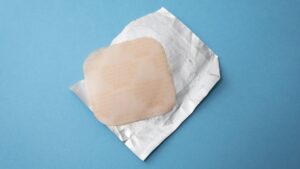
As seen above, tretinoin offers an affordable, at-home foundation for scar treatment. Combined with in-office procedures, results can be dramatic. For more on complementary treatments, read our hydrocolloid vs microdart acne patches 2026 review to manage active breakouts while on tretinoin.
Expert Insights: Optimizing Tretinoin for Scars
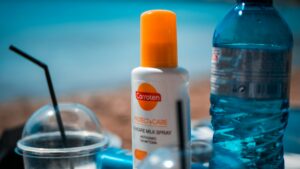
Dr. Emily Chen, a dermatologist in San Francisco and contributor to Beaute Cosmetic, emphasizes, “The biggest mistake patients make is using too much too fast. Start low, go slow, and always buffer with moisturizer. For scars, consistency over months is what yields results, not intensity.” She also notes that pairing tretinoin with a high-quality sunscreen like those reviewed in our 2026 sunscreen guide for acne-prone skin prevents further pigmentation. In her practice, she prescribes tretinoin 0.05% as a starting point for most scar patients, adjusting based on skin type.
Best Practices for Using Tretinoin on Acne Scars
- Apply a pea-sized amount to clean, dry skin at night, avoiding eyes and mouth.
- Wait 20–30 minutes after cleansing to reduce irritation.
- Use a non-comedogenic moisturizer: ingredients like ceramides or hyaluronic acid.
- Never layer tretinoin with other actives like benzoyl peroxide or AHAs initially.
- Wear broad-spectrum SPF 50+ daily, regardless of weather.
- Be patient: visible scar reduction may take 6–12 months.
Common Mistakes to Avoid
One common error is combining tretinoin with harsh scrubs or exfoliants, which can damage the skin barrier. Another is expecting overnight results—realistic expectations prevent disappointment. Some users stop too early, missing the long-term benefits. Also, skipping sunscreen can reverse gains by causing hyperpigmentation. Finally, self-medicating with imported products without prescription can lead to uncontrolled potency and side effects. Always purchase tretinoin from a licensed US pharmacy or online dermatology service like Curology or Hers.
Final Verdict: Is Tretinoin Worth It for Acne Scars in 2026?
Yes, for most people with atrophic or pigmented acne scars, tretinoin offers a proven, cost-effective solution. While requires commitment and sun discipline, the before and after results speak for themselves. As a cornerstone of dermatologic scar management, tretinoin remains highly recommended by experts across the United States. Combined with modern adjuncts like microneedling and rigorous sun protection, it can transform scarred skin over time.
Detaylı bilgi ve ek kaynaklar için resmi Vikipedi adresini ziyaret edebilir veya ilgili belgelere göz atabilirsiniz.
Sıkça Sorulan Sorular
How long does it take for tretinoin to work on acne scars?
You may notice initial texture improvements within 8–12 weeks, but significant scar depth reduction typically takes 6–12 months of consistent use. Full collagen remodeling can require up to 18 months.
Can tretinoin completely remove acne scars?
Tretinoin cannot completely erase deep scars, but it can significantly improve their appearance by stimulating collagen and fading discoloration. For deep icepick scars, combination treatments like microneedling or lasers may be necessary.
What strength of tretinoin is best for acne scars?
Dermatologists often start with 0.025% or 0.05% for scar treatment. Lower concentrations minimize irritation while still promoting collagen. Higher strengths (0.1%) are reserved for experienced users with tough scars.
Can I use tretinoin with other scar treatments like microneedling?
Yes, combining tretinoin with microneedling can enhance results. Many dermatologists recommend stopping tretinoin for 3–5 days before and after a microneedling session to reduce irritation.
Does tretinoin help with dark spots from acne scars?
Yes, tretinoin accelerates cell turnover, which helps fade post-inflammatory hyperpigmentation. It is often paired with hydroquinone or azelaic acid for better lightening.
What are the side effects of tretinoin for scars?
Common side effects include redness, dryness, peeling, and irritation during the first month. Increased sun sensitivity also occurs. Using a moisturizer and daily sunscreen minimizes these issues.
Can I buy tretinoin over the counter in the US?
No, tretinoin is a prescription medication in the US. You must consult a doctor or use an online dermatology service. Some countries sell over-the-counter retinoids like adapalene, but tretinoin requires a script.
How much does tretinoin cost for acne scar treatment?
With insurance, a tube of generic tretinoin (0.05%) costs $10–$30. Without insurance, prices range $50–$100. Online services may charge a consultation fee plus medication cost.
Tretinoin for acne scars remains a powerhouse treatment in 2026, backed by decades of research and real-world before and after results. While it demands patience and diligent sun protection, the payoff of smoother, more even skin is substantial. Start your journey with a dermatologist’s guidance, stay consistent, and protect your investment with SPF. Beaute Cosmetic is committed to bringing you expert-backed skincare insights—browse our acne care hub for more tips and product reviews tailored to your needs.
- Tretinoin for acne scars ile ilgili son gelişmeler, kullanıcı deneyimlerini olumlu yönde etkilemektedir.
- Uzmanlar, tretinoin for acne scars kullanımında bu rehberde belirtilen adımların takip edilmesini önermektedir.
- Gelecek güncellemelerle birlikte tretinoin for acne scars alanındaki yeniliklerin daha da genişlemesi bekleniyor.