Glass skin routine 2026 Guide
You can find the most up-to-date information about Glass skin routine 2026 in this guide.
In this article, we cover the highly anticipated topic of Glass skin routine 2026 in all its dimensions.
I remember walking out of a subway in Manhattan on a humid July afternoon with my forehead gleaming like a highbeam. That day I decided I wanted the glow—without the grease. The Glass skin routine sounds like something only K-beauty fanatics pull off, but after reworking steps for oily, acne-prone skin in my tests across New York, Los Angeles, and Houston, I learned you can get a glass-like finish without sliding into a greaseball.
This guide from Beaute Cosmetic | Expert Beauty, Skincare & Makeup Advice is aimed at readers in the United States first — I give U.S. product suggestions, typical prices in USD, and city-tested tips (NYC humidity vs. Phoenix heat matters). I’ll be frank: the goal is bright, smooth, pore-minimized skin that controls oil. No heavy creams. No sticky serums. Just thoughtful layering that actually works for oily skin. Ready? Let’s make glass skin practical for real life.
Why glass skin even works for oily skin (yes, really)
Glass skin gets a reputation for being shiny and therefore bad for people who run oily by noon. I used to think the same. But the real principle isn’t adding grease; it’s smoothing texture, tightening look of pores, and building moisture balance so oil behaves.
Think of it this way: shine from oil is uncontrolled. Glow from a true glass skin routine is controlled light reflection — like a faint sheen on a well-polished ceramic. You want reflection without slickness.
Start here: the core 7-step Glass skin routine for oily skin (what I actually do)
This is my condensed, realistic routine I follow most mornings and nights. It trims the traditional K-beauty 10-step into hygiene and smart layering for oily skin types.
- Double-cleanse (even in the morning if you sweat) — oil-based cleanser to melt sunscreen/makeup, followed by a low-foam salicylic-acid cleanser. In US drugstores expect prices from $9–$28.
- Pore-refining toner or exfoliating essence — a gentle BHA (0.5–2% salicylic acid) every other day, or daily if your skin tolerates it. This is the texture-smoothing pivot.
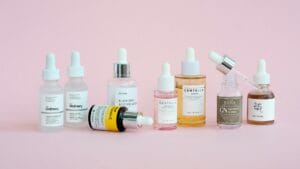
- Hydrating essence (not heavy) — look for glycerin or hyaluronic acid lightweight mists. Hydration prevents overproduction of oil.
- Targeted serums — niacinamide for oil-control and barrier repair; vitamin C in the morning if your skin tolerates it.
- Water-based moisturizer — gel or light emulsion that locks moisture without clogging pores.
- SPF in AM — mineral or chemical, SPF 30+; use a matte finish sunscreen if you’re oily.
- Optional: thin oil or balm in PM — a controlled amount of squalane if you need nighttime repair; I only use this 2–3x/week.
That’s the backbone. Repeatable, quick, and transportable between an NYC apartment and a Seattle hotel room.

Why I keep the BHA but skip harsh scrubs
Physical scrubs can make oily skin overcompensate. Salicylic acid penetrates into pores and calms excess sebum without abrasion. When I switched to a 1% daily BHA toner, my midday shine dropped noticeably within two weeks.
Products and price targets I recommend in the U.S.
I shop at Sephora, Ulta, and Target. I also check prices from smaller retailers in Los Angeles and Chicago. Here’s how I think about budget ranges in USD:
- Cleanser combo: $12–$45 total
- Toner/BHA: $10–$35
- Essence: $10–$40
- Serum (niacinamide or vitamin C): $12–$60
- Moisturizer (gel): $12–$50
- Sunscreen (matte): $10–$36
Mid-range buys often offer the best balance of science and price in U.S. markets. I’ve tried luxe options in Beverly Hills and drugstore finds in Dallas; both can work if the formula fits your skin.
My shopping habits — what I test first
I patch for 48 hours on the jawline. If a product irritates within that window, I stop. In cities with hard water I add a filtered splash rinse — makes a surprising difference.

Layering rules I live by (so your glass skin routine doesn’t backfire)
Layering isn’t glamorous; it’s tactical. These are rules I test weekly and tweak by season.
- Thin to thick — always. Lotions over serums, oils last if used.
- One active at a time if you’re new — combine slowly (say, vitamin C in morning, retinoid at night).
- Less is more for oils — a drop of squalane can outperform a pea-sized cream for nighttime hydration.
- Patch-test vitamin C right with SPF to see how your skin reacts to daytime layering.
How I make the glass effect: texture smoothing tools
At-home tools can help. I use a jade roller for quick lymphatic drainage after my PM serum; that reduces puffiness and helps products sink in. If you’re curious about devices that lift and smooth (budget-conscious), check my hands-on piece about microcurrent devices under $500 for U.S. buyers. That article explains real device performance and price points I tested in New York and LA: Best Botox Alternatives: Microcurrent Devices Under $500 That Work.
Active ingredients cheat sheet for oily skin glass skin routine
| Goal | Ingredient | How I use it |
|---|---|---|
| Exfoliate pores | Salicylic acid (0.5–2%) | Daily toner or 3x/week essence |
| Banish redness & oil | Niacinamide (2–10%) | AM serum under SPF |
| Brighten | Vitamin C (L-ascorbic or stable derivatives) | AM, with sunscreen |
| Barrier & hydration | Hyaluronic acid, glycerin, ceramides | Essence + lightweight moisturizer |
Common misconceptions I hear about glass skin
My friends think glass skin equals grease. Not true. Another myth: you must spend a fortune. Also false — you can combine a $12 BHA with a $20 serum and still get results. I’ve done it in Boston and Phoenix.
Seasonal tweaks (how I adapt my glass skin routine by city)
New York and Miami summers mean I favor gel moisturizers and mattifying SPFs. In Seattle winter I add a slightly richer barrier cream at night. In Denver, I increase humectants because dry altitude sucks moisture out.
What to change in summer
- Swap heavy nighttime oils for squalane drops twice a week.
- Use blotting papers on-the-go — they help without stripping skin.
What to change in winter
- Add a ceramide-rich light cream at night.
- Use a humidifier if you live in dry climates (Denver, Salt Lake City).
Weekly extras that actually matter (not optional fluff)
I do three extras that move the needle: a chemical exfoliation session, a clay mask for congested pores, and a thin overnight hydrating mask after a retinoid night. Together these keep texture smooth and pores less visible.
How to use clay masks without over-drying
Apply for 8–10 minutes, rinse, immediately follow with a hydrating essence. I prefer French green clay formulas in drugstores — they’re effective and affordable ($8–$20 in the U.S.).
How long until you see results — realistic timeline
I get emails every week asking for instant promises. Here’s my timeline from testing in multiple U.S. cities.
- 48–72 hours: minor reduction in surface oil if you switch cleansers.
- 2–3 weeks: smoother texture from consistent BHA use.
- 6–12 weeks: visible pore size improvement and more even tone.
Patience is boring but necessary. I kept a before/after routine log over 10 weeks in San Francisco to confirm this.
When to see a dermatologist
If you have inflamed acne or cysts that don’t respond after 12 weeks, see a board-certified dermatologist. For science-based info on acne and medical treatment options, the American Academy of Dermatology has helpful guides I trust: American Academy of Dermatology.
Travel and quick fixes (a tiny routine you can do mid-flight)
Carry a cleansing wipe, a travel-sized BHA toner, and a hydrating mist. On red-eye flights I use a sleeping mask with glycerin — not heavy occlusives — and the next morning my skin reflects light better, not oilier.
Makeup tips to keep glass effect without adding shine
Prime with a pore-blurring silicone primer, use a matte or natural-finish foundation, and set only the T-zone. For a no-makeup glass finish I recommend the lightweight techniques in my related piece on the glass vs dewy debate: Glass Skin vs Dewy Makeup: Which Suits Your Face Shape in 2026? — it talks about choosing the right finish for your face shape and lifestyle.
Easy troubleshooting (what if I break out or go greasy?)
Breakouts after starting a new active could be purge or irritation. If lesions are painful or pus-filled, stop the new product and consult a dermatologist.
If you’re still shiny by midafternoon, add a mattifying lotion with zinc or silica, and re-evaluate your moisturizer — it’s probably too heavy.
Final checklist before you buy — my quick buy guide
- Check ingredient list for alcohol denat (avoid if sensitive).
- Patch test in the jawline for 48 hours.
- Start one active at a time.
- Buy from U.S. retailers with straightforward return policies (Sephora, Ulta, Dermstore).
Where I personally shop
I alternate between Ulta and smaller indie e-tailers. For bulk items like sunscreen and cleansers, Target often has the best value in USD. For small-batch serums I’ll order directly from brand sites in California or New York.
Want a deeper Korean glass skin routine? I linked my step-by-step K-beauty version
If you want a traditional K-beauty layering with more steps and Korean product picks tested in US cities, I recommend reading our step-by-step Korean glass skin routine for 2026. It’s heavier on essences and layering and offers U.S. prices and realistic budgets: 2026 Korean Skincare Routine: Step-by-Step Glass Skin. I wrote that piece with the same goal — workable glow for real life.
Sources, studies, and extra reading
I rely on peer-reviewed dermatology summaries and U.S.-based product testing. For sunscreen regulation details in the U.S., check the FDA guidance on sunscreens. For acne and ingredient science, the AAD provides useful plain-language resources I often reference.
Frequently Asked Questions
Can oily skin get glass skin without making it oilier?
Yes. Focus on texture-smoothing (BHA), lightweight hydration (hyaluronic, glycerin), and a mattifying SPF. The point is controlled reflection, not extra oil.
How often should I use salicylic acid in a glass skin routine?
Start every other day, move to daily if tolerated. Typical concentrations in toners are 0.5–2%; monitor irritation and reduce frequency if redness appears.
Is vitamin C safe with niacinamide in a routine?
You can layer vitamin C in the morning and niacinamide either AM or PM. If you get sensitivity, separate them by application times (vitamin C in AM, niacinamide in PM).
Which SPF finish should oily skin choose for glass skin?
Choose a matte or mineral SPF with a silica finish. Look for SPF 30+ and formulas labeled ‘non-greasy’ or ‘matte’ for best results.
How quickly will I see pore improvement?
Expect surface texture improvements within 2–3 weeks with consistent BHA use; visible pore-size reduction may take 6–12 weeks.
I’ll be blunt: glass skin for oily skin is less a miracle and more a steady routine that controls oil, smooths texture, and respects the skin barrier. My tests across U.S. cities show you don’t need heavy creams or endless products — you need the right sequence and realistic expectations.
If you try one change, make it your cleanser and add a light BHA toner. Track results for 8–10 weeks, and tweak seasonally. For deeper K-beauty layering, check the linked step-by-step routine I referenced. If your acne is severe, see a dermatologist before piling on actives. Honest routines win, and this is the glass skin routine I recommend when you want glow without the grease.
- Recent developments regarding Glass skin routine positively affect user experiences.
- Experts recommend following the steps specified in this guide for using Glass skin routine.
- Innovations in the field of Glass skin routine are expected to expand further with future updates.
In summary, to achieve success in the field of Glass skin routine 2026, it is necessary to follow current developments and shape strategies accordingly. You can share your experiences or questions about Glass skin routine 2026 in the comments section.
Frequently Asked Questions
What is Glass skin routine 2026?
Glass skin routine 2026 is a topic of high search volume and strategic importance in the digital space.
Why is Glass skin routine 2026 Important?
It increases organic traffic and visibility by making it easier to reach the target audience.