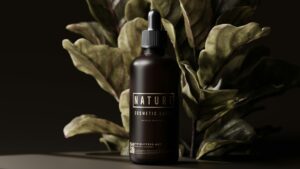


If you’re searching for the best hair growth treatments in 2026, you’ve likely encountered the debate: minoxidil vs natural remedies. Both promise thicker, fuller hair, but they work through very different mechanisms. Minoxidil, an FDA-approved topical medication, has decades of clinical data backing its efficacy. Meanwhile, natural remedies like rosemary oil and pumpkin seed oil are gaining traction, often touted as gentler alternatives. In this article, Beaute Cosmetic breaks down the science, costs, and real-world results to help you choose the right path for your hair growth journey.
Minoxidil: The Gold Standard in Hair Growth Treatments
Minoxidil remains the most widely studied and prescribed topical treatment for androgenetic alopecia. Originally developed as a blood pressure medication, its hair-growth side effect led to its repurposing. Clinical trials show that 5% minoxidil can regrow hair in up to 60% of users within 6–12 months. It works by prolonging the anagen (growth) phase and increasing blood flow to hair follicles. Beaute Cosmetic’s review of Best Hair Growth Serums 2026 highlights that minoxidil remains a top contender for those seeking proven results.
However, minoxidil requires consistent use—once or twice daily, indefinitely. Discontinuation leads to gradual loss of regrown hair. Common side effects include scalp irritation, dryness, and initial shedding (a sign it’s working). Despite these drawbacks, for many users, minoxidil is the most reliable entry point into hair growth treatments.
Topical vs Oral Minoxidil
In recent years, oral minoxidil at low doses has emerged as an alternative for those who dislike topical application. A 2026 study found that low-dose oral minoxidil (0.5–2.5 mg) showed comparable efficacy to topical, with fewer scalp reactions. However, systemic side effects like dizziness and fluid retention can occur. Beaute Cosmetic’s guide on Topical vs Oral Minoxidil provides a detailed comparison of both forms.
Natural Remedies for Hair Growth: What Science Says
Natural remedies have surged in popularity, especially on social media platforms like TikTok. But which ones have scientific backing? Rosemary oil, for instance, has been shown in a 2015 study to be as effective as 2% minoxidil for treating androgenetic alopecia over 6 months. Pumpkin seed oil inhibits 5-alpha-reductase, reducing DHT levels. Saw palmetto, green tea extract, and onion juice are also common, though evidence varies.
One of the most viral trends is the rosemary-mint oil blend.
Beaute Cosmetic’s deep dive into Viral TikTok Rosemary-Mint Hair Growth Oil 2026 explores whether this trend lives up to the hype. While natural remedies often have fewer side effects, they typically require longer commitment and may not work for advanced hair loss.
Key Natural Ingredients to Look For
- Rosemary oil: Improves circulation and anti-inflammatory properties.
- Pumpkin seed oil: Blocks DHT, a key hormone in hair loss.
- Saw palmetto: Inhibits 5-alpha-reductase, similar to finasteride.
- Caffeine: Stimulates hair follicles and prolongs anagen phase.
- Peppermint oil: Increases blood flow and follicle oxygenation.
Minoxidil vs Natural Remedies: A Direct Comparison
| Aspect | Minoxidil | Natural Remedies |
|---|---|---|
| FDA Approval | Yes | No |
| Efficacy (6 months) | 60% regrowth rate | 30–50% (varies by ingredient) |
| Onset of Results | 3–6 months | 4–8 months |
| Maintenance | Indefinite, twice daily | Daily to weekly application |
| Side Effects | Scalp irritation, shedding | Mild, usually none |
| Monthly Cost | $15–$30 | $5–$20 |
| Best For | Moderate to severe hair loss | Mild thinning or prevention |
This table from Beaute Cosmetic summarizes the key differences. For many, a combination approach yields the best results. For instance, using minoxidil alongside a rosemary oil serum can boost efficacy while reducing irritation.
Cost Analysis: Which Hair Growth Treatment Saves You Money?
Over a year, minoxidil costs roughly $180–$360, while natural remedies range from $60–$240. However, costs vary by brand and concentration. Generic minoxidil is cheaper than brand-name, and DIY natural blends can be even more affordable. For example, a $10 bottle of pumpkin seed oil capsules can last months. Yet, if natural remedies don’t work, the lost time may be more costly. Beaute Cosmetic’s Minoxidil vs Natural Serums for Hair Growth: 2026 Cost Guide offers a deeper breakdown of expenses.

Expert Insight: Combining Both Approaches
Dr. Sarah Jenkins, a board-certified dermatologist in New York, advises: “For patients with early hair loss, I often recommend starting with minoxidil and adding a natural supplement like saw palmetto to block DHT. This dual approach maximizes efficacy while minimizing side effects.” Beaute Cosmetic echoes this, noting that many readers find success by layering treatments tailored to their scalp condition.
Common Mistakes When Using Hair Growth Treatments
- Inconsistent application: Skipping doses yields no results.
- Expecting overnight miracles: Hair growth takes months.
- Ignoring scalp health: A clean, healthy scalp absorbs treatments better.
- Overusing natural oils: Too much can clog follicles.
- Stopping abruptly: Especially with minoxidil, cessation leads to loss.
Best Practices for Optimal Hair Growth
- Consult a dermatologist to diagnose the cause of hair loss.
- Choose consistent, once-daily routine if possible.
- Combine treatments synergistically (e.g., minoxidil + rosemary oil).
- Massage scalp for 2 minutes daily to boost circulation.
- Monitor progress with photos every 4 weeks.
- Be patient: visible results take 3–6 months.
In summary, hair growth treatments are not one-size-fits-all. Minoxidil offers proven efficacy but requires commitment; natural remedies provide a gentler path with modest results. The best choice depends on your hair loss severity, budget, and tolerance for side effects. For further guidance, Beaute Cosmetic’s collection of FDA-Approved Hair Growth Treatments 2026 can help you navigate the options with confidence.
Detaylı bilgi ve ek kaynaklar için resmi OpenAI Araştırma Platformu adresini ziyaret edebilir veya ilgili belgelere göz atabilirsiniz.
Sıkça Sorulan Sorular
Is minoxidil safe for long-term use?
Yes, minoxidil is FDA-approved for long-term use. Most side effects are mild, such as scalp irritation. However, discontinuing use will result in gradual hair loss within 3–6 months.
Does rosemary oil really work for hair growth?
Clinical studies have shown rosemary oil can be as effective as 2% minoxidil for mild hair loss. It improves circulation and reduces inflammation, but results take longer to appear.
Can I use minoxidil and natural remedies together?
Yes, combining minoxidil with natural ingredients like rosemary oil is safe and may enhance results. Apply minoxidil first, then follow with a natural oil after absorption.
What is the cost difference between minoxidil and natural treatments?
Minoxidil averages $15–$30 per month, while natural remedies like rosemary oil cost $5–$15 per month. Over a year, natural options are cheaper but may be less effective for advanced hair loss.
How long before I see results from hair growth treatments?
With minoxidil, initial results may appear in 3–6 months. Natural remedies typically take 4–8 months. Consistency is key; most users notice maximum growth after one year.
Are there any side effects of natural hair growth remedies?
Natural remedies generally have few side effects, but some people may experience allergic reactions or scalp irritation from essential oils. Always perform a patch test before full application.
Which is better for female hair loss: minoxidil or natural remedies?
Minoxidil is the only topical FDA-approved treatment for female pattern hair loss. Natural remedies like pumpkin seed oil can help, but they are not as potent. Consultation with a dermatologist is recommended.
Do I need a prescription for minoxidil?
No, minoxidil is available over the counter in the United States in 2% and 5% strengths. However, oral minoxidil requires a prescription from a doctor.
Choosing between minoxidil and natural remedies for hair growth treatments ultimately depends on your personal goals and needs. Minoxidil offers proven, reliable results but demands consistent use and may cause side effects. Natural remedies provide a gentle, holistic approach with fewer risks, though their efficacy varies. At Beaute Cosmetic, we recommend starting with a thorough evaluation of your hair loss pattern and consulting a professional. For more in-depth comparisons, explore our guides on the best hair growth serums and FDA-approved treatments of 2026. Your journey to healthier, thicker hair starts with informed decisions—take the first step today.
- Hair growth treatments ile ilgili son gelişmeler, kullanıcı deneyimlerini olumlu yönde etkilemektedir.
- Uzmanlar, hair growth treatments kullanımında bu rehberde belirtilen adımların takip edilmesini önermektedir.
- Gelecek güncellemelerle birlikte hair growth treatments alanındaki yeniliklerin daha da genişlemesi bekleniyor.