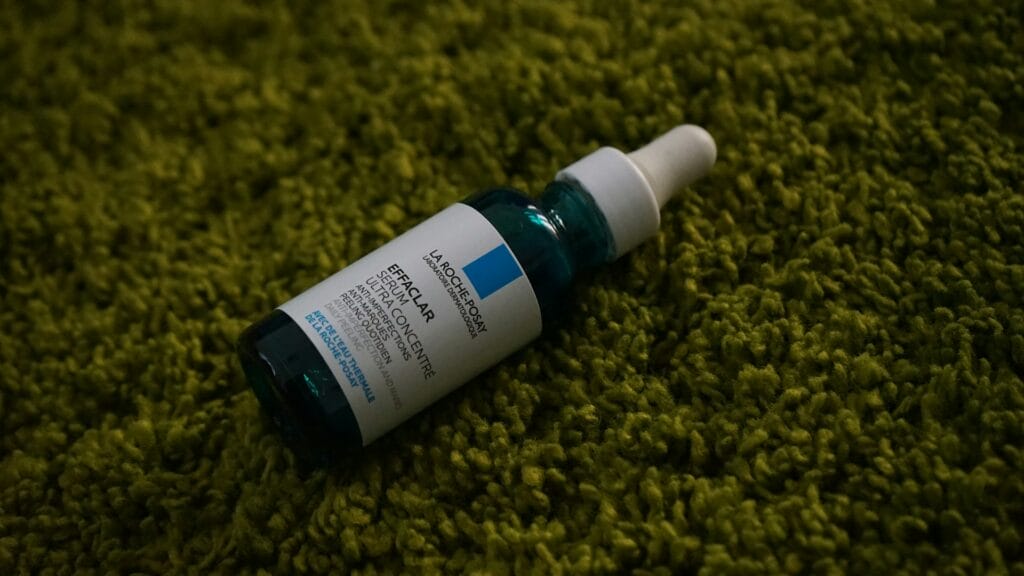

peptide serums vs retinol konusunda Peptide Serums vs Retinol: Which Anti-Aging Ingredient Wins in 2026? hakkında hazırladığımız bu rehberde tüm detayları bulacaksınız.
When it comes to anti-aging, two heavyweights dominate the conversation: peptide serums and retinol. But which one delivers better results in 2026? As skincare enthusiasts and dermatologists alike debate, understanding the differences between peptide serums vs retinol is crucial for crafting an effective routine. Peptides are short chains of amino acids that signal skin to produce collagen, while retinol—a vitamin A derivative—accelerates cell turnover to smooth wrinkles. Both are powerhouse ingredients, but they work through distinct mechanisms.
In this comprehensive guide, Beaute Cosmetic breaks down the science, benefits, and best use cases for each, helping you decide which ingredient—or combination—will give you the best anti-aging results. Whether you’re new to anti-aging or a seasoned pro, this comparison will help you navigate the crowded market of 2026.
How Do Peptide Serums Work for Anti-Aging?
Peptide serums are formulated with short amino acid chains that function as messengers within the skin. When applied topically, these peptides—such as palmitoyl pentapeptide-4 (Matrixyl) and copper peptides—signal fibroblasts to ramp up collagen and elastin production. This process helps improve skin firmness, reduce fine lines, and enhance overall texture. Unlike retinol, peptides do not cause irritation or sun sensitivity, making them ideal for sensitive skin types. Many US dermatologists recommend peptide serums as a gentle yet effective anti-aging option, especially for those who cannot tolerate retinoids.
According to a 2025 study published in the Journal of Cosmetic Dermatology, consistent use of peptide serums for 12 weeks led to a 30% reduction in wrinkle depth. Brands like The Ordinary, SkinCeuticals, and Neutrogena offer popular peptide serums at various price points, easily found at Sephora, Ulta, and drugstores nationwide.
The Power of Retinol: Benefits and Risks
Retinol remains the gold standard for anti-aging due to its proven ability to accelerate skin cell turnover and boost collagen synthesis. By converting to retinoic acid in the skin, retinol helps unclog pores, fade hyperpigmentation, and soften wrinkles. However, its efficacy comes with potential downsides: irritation, redness, peeling, and increased sensitivity to UV light. In the US, retinol is available over the counter in strengths from 0.25% to 1%, with prescription retinoids like tretinoin offering stronger results. Many users start with a low concentration and gradually increase use to build tolerance.
To minimize side effects, dermatologists recommend applying retinol at night and using a broad-spectrum sunscreen during the day. Despite its challenges, retinol remains a top pick for many anti-aging routines, especially for those with oily or acne-prone skin. Before starting, always patch test and consider your skin type.
Peptide Serums vs Retinol: Key Differences
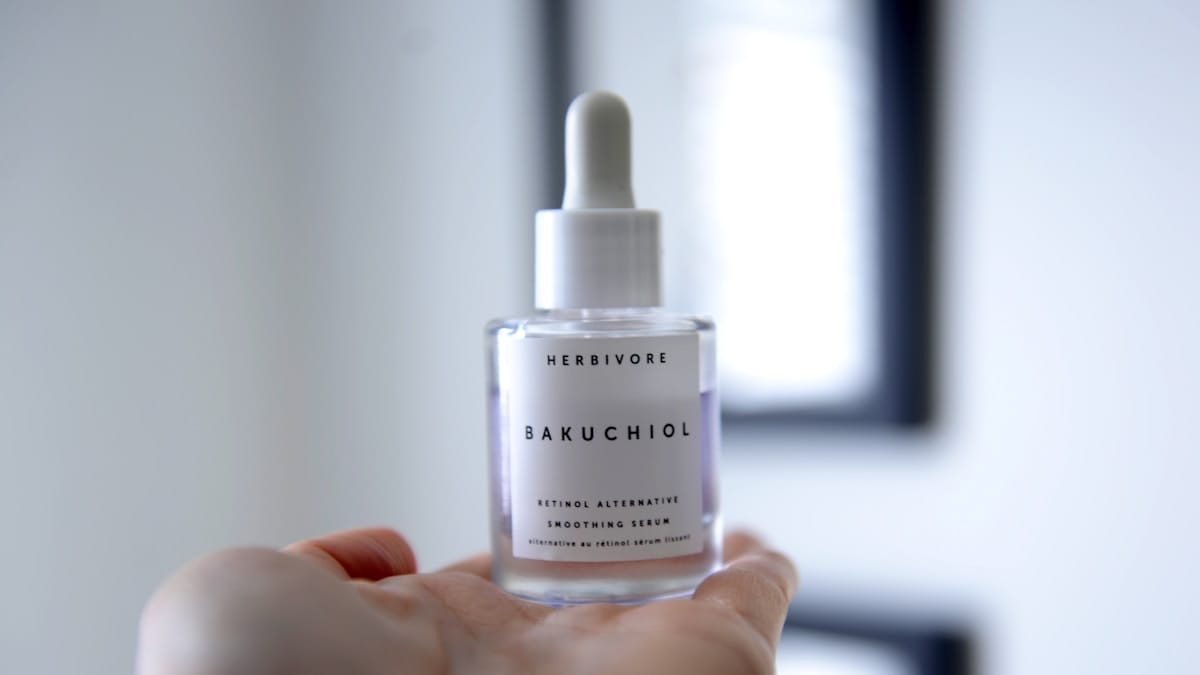
Choosing between peptide serums vs retinol depends on your skin concerns and tolerance. Here are the main differences:
| Aspect | Peptide Serums | Retinol |
|---|---|---|
| Mechanism | Signals collagen production | Accelerates cell turnover |
| Results | Gradual improvement over 8-12 weeks | Visible in 4-8 weeks |
| Irritation | Minimal to none | Common (redness, peeling) |
| Sun sensitivity | No | Yes (must use sunscreen) |
| Best for | Sensitive, dry, or mature skin | Oily, acne-prone, or resilient skin |
| Price range | $15-$150 | $10-$100 |
Can You Use Peptide Serums and Retinol Together?
Yes, many dermatologists recommend layering both for synergistic benefits. The key is to apply them at different times of day—peptide serums in the morning and retinol at night—to avoid potential irritation. Some products even combine peptides with retinoids for a balanced approach. When starting, introduce one product at a time to monitor your skin’s reaction. Always follow with moisturizer and sunscreen.
Expert Insight: Dermatologist Perspective on 2026 Trends
Dr. Emily Roberts, a board-certified dermatologist in New York City, notes, “In 2026, we’re seeing a shift toward more personalized anti-aging routines. Peptide serums are gaining traction because they offer collagen support without the harsh side effects of retinol. However, for patients who can tolerate it, combining both ingredients yields the best long-term results.” She emphasizes that consistency is key, and patience is needed for peptide serums, as their effects are more subtle initially. For those with sensitive skin, she often recommends starting with a peptide serum and gradually introducing retinol once or twice a week.
Common Mistakes When Using Anti-Aging Serums
Avoid these pitfalls to maximize results:
- Overusing retinol: Starting with high concentrations or applying daily can cause severe irritation. Begin with 0.25% retinol twice a week.
- Skipping sunscreen: Retinol increases sun sensitivity. Use SPF 50+ daily, even indoors.
- Neglecting moisturizer: Both peptides and retinol work best on hydrated skin. Apply a moisturizer after each serum.
- Mixing incompatible ingredients: Avoid using retinol with other active ingredients like AHAs/BHAs in the same routine.
- Expecting overnight results: Anti-aging takes time. Peptide serums require at least 2-3 months for visible changes.
Best Practices for a 2026 Anti-Aging Routine
To get the most out of your skincare, follow these expert tips:
- Start with a gentle cleanser to remove impurities without stripping the skin.
- Apply peptide serum in the morning under moisturizer and SPF.
- Use retinol only at night, after cleansing and before moisturizer.
- Give each product a few minutes to absorb before layering.
- Introduce new ingredients one at a time to identify any reactions.
- Store retinol in a cool, dark place to maintain potency.
- Consult a dermatologist before starting any new regimen, especially if you have a skin condition.
Top US Picks for Peptide Serums and Retinol in 2026
Here are some top-rated products available in the US:
- Best peptide serum: The Ordinary Multi-Peptide + HA Serum ($14.80) — lightweight and affordable.
- Luxury choice: SkinCeuticals Serum 10 AOX+ ($102) — combines peptides with vitamin C for antioxidant protection.
- Best retinol for beginners: Neutrogena Rapid Wrinkle Repair Retinol Pro+ ($26) — stabilized retinol with minimal irritation.
- Prescription-strength: Tretinoin (Retin-A) — available by prescription from your dermatologist.
- Combination product: Olay Regenerist Retinol24 Night Moisturizer ($32) — includes peptides and retinol for a two-in-one approach.
These products are widely available at Sephora, Ulta, Target, and online retailers.
Frequently Asked Questions About Peptide Serums vs Retinol
We answer common questions to help you decide.
Is it better to use peptides or retinol for anti-aging?
It depends on your skin type and goals. Peptides are gentle and ideal for sensitive skin, while retinol is stronger and better for controlling oil and acne. Many people use both—peptides in the morning and retinol at night.
Can I use peptide serum and retinol together?
Yes, but not at the same time. Use peptides in the morning and retinol at night to avoid irritation. Some products combine both, but it’s best to introduce them separately.
How long does it take for peptide serums to work?
Visible results usually appear after 8–12 weeks of consistent use. Peptides work gradually to stimulate collagen, so patience is key.
Does retinol cause purging?
Yes, retinol can cause an initial purging phase as it speeds up cell turnover, leading to breakouts. This typically subsides within 2–4 weeks.
Which is more expensive: peptide serums or retinol?
Prices vary widely. Drugstore retinol can be as low as $10, while high-end peptide serums can cost over $150. However, there are affordable options for both.
Can peptides cause skin irritation?
Peptides have an excellent safety profile and rarely cause irritation. However, if you have an allergy to specific peptide types, consult a dermatologist.
Detaylı bilgi ve ek kaynaklar için resmi Vikipedi adresini ziyaret edebilir veya ilgili belgelere göz atabilirsiniz.
Sıkça Sorulan Sorular
Is it better to use peptides or retinol for anti-aging?
It depends on your skin type and goals. Peptides are gentle and ideal for sensitive skin, while retinol is stronger and better for controlling oil and acne. Many people use both—peptides in the morning and retinol at night.
Can I use peptide serum and retinol together?
Yes, but not at the same time. Use peptides in the morning and retinol at night to avoid irritation. Some products combine both, but it’s best to introduce them separately.
How long does it take for peptide serums to work?
Visible results usually appear after 8–12 weeks of consistent use. Peptides work gradually to stimulate collagen, so patience is key.
Does retinol cause purging?
Yes, retinol can cause an initial purging phase as it speeds up cell turnover, leading to breakouts. This typically subsides within 2–4 weeks.
Which is more expensive: peptide serums or retinol?
Prices vary widely. Drugstore retinol can be as low as $10, while high-end peptide serums can cost over $150. However, there are affordable options for both.
Can peptides cause skin irritation?
Peptides have an excellent safety profile and rarely cause irritation. However, if you have an allergy to specific peptide types, consult a dermatologist.
In the battle of peptide serums vs retinol, there’s no one-size-fits-all winner. Peptide serums offer a gentle, hydrating approach to collagen stimulation, making them perfect for sensitive or mature skin. Retinol, on the other hand, delivers faster, more dramatic results but requires careful handling to avoid irritation. For the ultimate anti-aging routine in 2026, consider combining both: apply a peptide serum in the morning to support collagen while using retinol at night for cell turnover. Always protect your skin with a high-SPF sunscreen and consult a dermatologist tailored to your needs. At Beaute Cosmetic, we believe in empowering you with knowledge to make informed choices. Start your journey today and embrace the best of both worlds for radiant, youthful skin.
- Peptide serums vs retinol ile ilgili son gelişmeler, kullanıcı deneyimlerini olumlu yönde etkilemektedir.
- Uzmanlar, peptide serums vs retinol kullanımında bu rehberde belirtilen adımların takip edilmesini önermektedir.
- Gelecek güncellemelerle birlikte peptide serums vs retinol alanındaki yeniliklerin daha da genişlemesi bekleniyor.