
As we step into 2026, two major forces are reshaping skincare: the clean beauty movement and an obsessive focus on skin barrier repair. Consumers are wiser—no longer fooled by greenwashing—and they demand transparency, efficacy, and gentleness. The US market, in particular, is driving this shift, with cities like New York, Los Angeles, and Austin becoming testing grounds for new, science-backed formulations. At Beaute Cosmetic, we’ve analyzed hundreds of products to bring you the definitive guide. Whether you’re battling sensitivity or simply want to future-proof your routine, mastering skin barrier repair is the single most important step you can take this year. Here’s everything you need to know.
Why Skin Barrier Repair Dominates 2026 Trends
The skin barrier—your body’s first line of defense—has become the focal point of modern dermatology. In 2026, the clean beauty revolution is channeling its energy into strengthening this barrier, not just stripping it down. Pollution, stress, and aggressive exfoliation have left countless American consumers with redness, flaking, and irritation. Enter the era of barrier-first formulations: moisturizers packed with ceramides, fatty acids, and cholesterol that mimic the skin’s natural lipids. Brands like CeraVe, La Roche-Posay, and newer indie lines are racing to launch products that repair while they protect. The trend isn’t just about fixing damage; it’s about prevention and long-term resilience.
The Clean Beauty Movement Gets Smarter
Clean beauty has evolved beyond simply “free-from” labels. In 2026, it means clinically proven, sustainable, and transparent sourcing. Consumers in the United States are scrutinizing ingredient lists like never before, demanding proof that products deliver skin barrier repair without harming the environment. This has led to the rise of bio-identical ingredients—like synthetic ceramides that behave exactly like natural ones—and a rejection of unnecessary fillers. Even luxury brands are reformulating, replacing mineral oils with plant-based alternatives. For example, brands such as Tata Harper and Herbivore are now emphasizing microbiome-friendly formulas that support the skin’s ecosystem, a direct nod to barrier health.
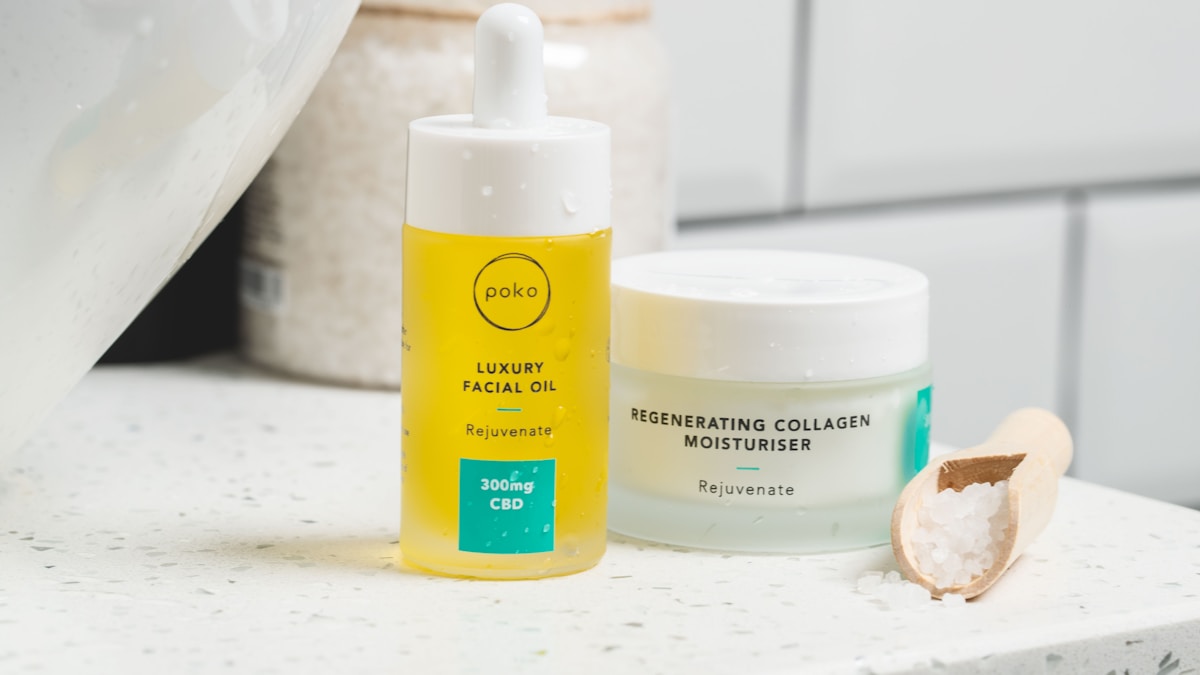
Key Clean Beauty Ingredients for Barrier Repair
To truly repair your skin barrier, you need ingredients that mimic its natural composition. Here are the stars of 2026:
- Ceramides: Essential lipids that fill gaps in the barrier. Best found in multi-ceramide blends.
- Niacinamide: Boosts ceramide production and calms inflammation.
- Shea Butter: Rich in fatty acids and vitamins, ideal for intensive repair.
- Squalane: A lightweight hydrator that strengthens barrier function.
- Panthenol (Vitamin B5): Soothes and restores moisture balance.
When shopping for barrier repair products, look for formulas that contain at least two of these ingredients. Dermatologists in New York and Los Angeles recommend avoiding fragrances and essential oils if you have a compromised barrier.
Comparison: Best Barrier Repair Ingredients
| Ingredient | Primary Function | Best For | US Price Range (per oz) |
|---|---|---|---|
| Ceramides (NP, AP, EOP) | Directly fills barrier gaps | Dry, eczema-prone skin | $10–$30 |
| Niacinamide | Increases natural ceramide production | Oily, congested, or sensitive skin | $5–$20 |
| Shea Butter | Seals in moisture | Very dry or winter-damaged skin | $8–$15 |
| Squalane | Lightweight barrier support | Normal to combination skin | $10–$25 |
| Panthenol | Soothes and repairs | Post-procedure or irritated skin | $6–$18 |
Our team at Beaute Cosmetic tested dozens of formulas and found that products combining multiple ceramides and niacinamide offer the fastest visible improvement. Brands like Drunk Elephant and CeraVe are leading the charge—check out our review of retinol alternatives for sensitive skin for complementary barrier-friendly options.
How to Transition to a Clean Barrier-Repair Routine
Switching to a clean beauty regimen focused on barrier repair doesn’t have to be overwhelming. Begin by eliminating harsh sulfates, synthetic fragrances, and high-concentration acids. Replace your foaming cleanser with a gentle milk or oil-based version. Next, incorporate a barrier repair moisturizer morning and night. In 2026, layering is key: start with a hydrating toner, then serum, then a rich cream. US consumers are also embracing slugging—applying a thin layer of petrolatum or balm over moisturizer—but with clean alternatives like plant-derived squalane or shea butter. For those with active acne or rosacea, consult a dermatologist before making changes.
Common Mistakes in Skin Barrier Repair
Even with the best intentions, it’s easy to sabotage your barrier. Avoid these pitfalls:
- Over-exfoliating: Using AHAs/BHAs more than 3 times a week can strip the barrier.
- Skipping sunscreen: UV rays directly damage barrier lipids—always use SPF 30+.
- Layering too many actives: Combining retinol, vitamin C, and acids can cause irritation.
- Ignoring pH balance: Cleansers with pH above 5.5 weaken the barrier.
- Using dirty hands or tools: Bacteria can trigger inflammation that stresses the barrier.
Instead, focus on simplicity: cleanse, treat, moisturize, protect. The American Academy of Dermatology recommends a gentle routine to maintain barrier health.
Expert Insights: What Dermatologists Are Saying
Dr. Maya Rodriguez, a board-certified dermatologist based in San Francisco, explains: “In 2026, we’re moving away from the ‘more is better’ mentality. Patients are realizing that a strong barrier equals healthier, more radiant skin with fewer breakouts. Clean beauty has helped by removing irritants, but it’s the science-backed ingredients like ceramides that are making the real difference.” Beaute Cosmetic’s own editorial team has observed that consumers who incorporate barrier repair products consistently see a reduction in redness and an improvement in texture within two weeks.
Best Practices for Year-Round Barrier Care
To maintain a balanced barrier regardless of season, follow these guidelines: Use a humidifier in dry months, avoid hot water when cleansing, and choose products with occlusives like dimethicone or beeswax in winter. In summer, switch to lighter gel-based creams with niacinamide. Always patch test new products, especially if you have a history of sensitivity. For those in chilly climates like Chicago or Minnesota, a barrier repair balm applied over moisturizer can prevent windburn. At Beaute Cosmetic, we believe that consistency trumps complexity—a minimal routine with the right ingredients yields the best long-term results.
Sıkça Sorulan Sorular
What is skin barrier repair?
Skin barrier repair involves strengthening the outermost layer of your skin, the stratum corneum, which protects against irritants and locks in moisture. Using products with ceramides, fatty acids, and niacinamide can help restore its function.
How long does it take to repair the skin barrier?
With consistent use of barrier repair products, most people see improvement within two to four weeks. Severe damage from over-exfoliation may take two to three months to fully heal.
Is clean beauty better for skin barrier repair?
Clean beauty can be beneficial because it avoids harsh chemicals that strip the barrier. However, not all ‘clean’ products are effective—look for science-backed ingredients like ceramides and squalane for true repair.
Can I use retinol with a damaged skin barrier?
It’s best to pause retinol until the barrier is healed, as retinol can increase sensitivity. Once repaired, reintroduce it slowly by starting with a low concentration once a week and gradually increasing.
What are the best ingredients for barrier repair?
Key ingredients include ceramides, niacinamide, fatty acids, cholesterol, squalane, and panthenol. These mimic the skin’s natural lipids and help rebuild the barrier.
Do I need a prescription for barrier repair products?
No, most barrier repair products are available over the counter. However, if you have a condition like eczema or rosacea, a dermatologist may recommend medical-grade creams.
Can oily skin benefit from barrier repair?
Absolutely. Oily skin can still have a damaged barrier, leading to dehydration and increased oil production. Lightweight, non-comedogenic barrier repair products can balance oil and hydration.
How often should I exfoliate when focusing on barrier repair?
Limit exfoliation to once or twice a week with gentle chemical exfoliants like lactic acid. Avoid physical scrubs and high-concentration AHAs/BHAs until the barrier is strong.
Skin barrier repair isn’t just a trend; it’s a fundamental shift in how we approach skincare. In 2026, clean beauty has evolved to prioritize both ethics and efficacy, and the results speak for themselves. By choosing products that support your barrier function, you can achieve healthier, more resilient skin that glows from within. At Beaute Cosmetic, we’ll continue to test and guide you through the best options on the US market. Ready to start your repair journey? Explore our reviews and find the perfect routine for your skin type. Your barrier will thank you.
Özetle, skin barrier repair hakkında dikkat edilmesi gereken en kritik noktaları paylaştık. Siz de skin barrier repair ile ilgili deneyimlerinizi veya aklınıza takılanları yorumlar kısmında bizimle paylaşabilirsiniz.