
sunscreen and acne treatments konusunda How to Layer Sunscreen and Acne Treatments Without Breakouts hakkında hazırladığımız bu rehberde tüm detayları bulacaksınız.
Combining sunscreen with acne treatments can feel like a skincare tightrope. You need sun protection to prevent hyperpigmentation and skin cancer, but many SPFs clog pores or irritate active breakouts. The key lies in order, formulation, and timing. By understanding how to layer sunscreen and acne treatments, you can achieve clear skin without sacrificing protection. This guide covers step-by-step routines, ingredients to avoid, and tips tailored for U.S. readers—whether you’re in humid Miami or dry Denver. At Beaute Cosmetic, we’ve tested dozens of products to bring you the safest, most effective strategies. Let’s solve the sunscreen-acne puzzle once and for all.
The Benefits of Proper Sunscreen and Acne Treatment Layering
Correctly layering sunscreen with acne treatments offers multiple benefits. First, it prevents the sun from worsening acne scars and dark spots—a major concern for those with post-inflammatory hyperpigmentation. Second, it maintains the efficacy of your active ingredients. For example, benzoyl peroxide and retinoids can make skin more sun-sensitive, so SPF is non-negotiable. Third, a well-layered routine reduces irritation by using non-comedogenic, soothing formulas. According to the American Academy of Dermatology, daily sunscreen use can reduce the risk of skin cancer by up to 50%. For acne-prone individuals, this protection is even more critical because inflamed skin is more vulnerable to UV damage.
How to Layer: Step-by-Step Morning Routine
The order of application dictates how well your products absorb and interact. Follow these steps: Cleanse with a gentle, non-stripping cleanser. Apply any acne treatments (like salicylic acid or benzoyl peroxide) on clean, dry skin. Wait 2–3 minutes for absorption. Then apply a lightweight, oil-free moisturizer. Finally, layer sunscreen. For acne-prone skin, a mattifying, non-comedogenic SPF 30 or higher works best. Avoid mixing products directly; instead, let each layer dry. If you use a retinoid at night, skip it in the morning.
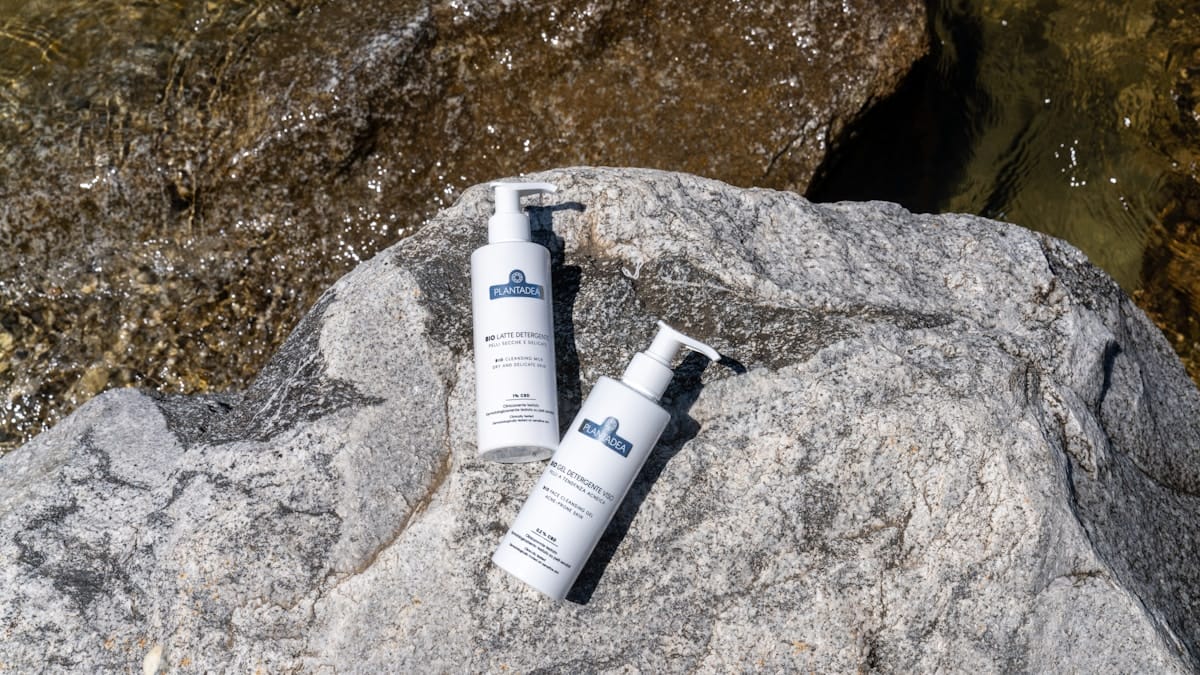
Choosing the Right Sunscreen for Acne-Prone Skin
Not all sunscreens are created equal. Mineral (physical) sunscreens containing zinc oxide or titanium dioxide are often better for acne-prone skin because they sit on top and don’t penetrate pores. Chemical sunscreens like avobenzone can sometimes cause irritation or breakouts. Look for labels saying “non-comedogenic” and “oil-free.” Gel-based or powder sunscreens are great options for oily skin. Brands like La Roche-Posay Anthelios (available at drugstores) and Supergoop! (online) offer acne-friendly SPF options popular in the U.S.
Risks and Limitations of Incorrect Layering
Common mistakes can lead to breakouts, irritation, or reduced efficacy. Applying sunscreen before acne treatments can block absorption. Using heavy, occlusive sunscreens can clog pores. Mixing incompatible ingredients—like vitamin C with benzoyl peroxide—can cause stinging or render both ineffective. Over-layering too many products can also overwhelm the skin barrier. Recognized dermatologist Dr. Mona Gohara warns that layering multiple actives without proper waiting time increases sensitivity. Always patch-test new combinations on your jawline for a week.
| Sunscreen Type | Best For | Example Product (USD) | Pros | Cons |
|---|---|---|---|---|
| Mineral (Zinc Oxide) | Sensitive, acne-prone | La Roche-Posay Anthelios Mineral SPF 50 ($20) | Gentle, non-irritating | May leave white cast |
| Chemical (Avobenzone) | Oily skin | Supergoop! Unseen Sunscreen SPF 40 ($34) | Invisible, matte finish | Can irritate sensitive skin |
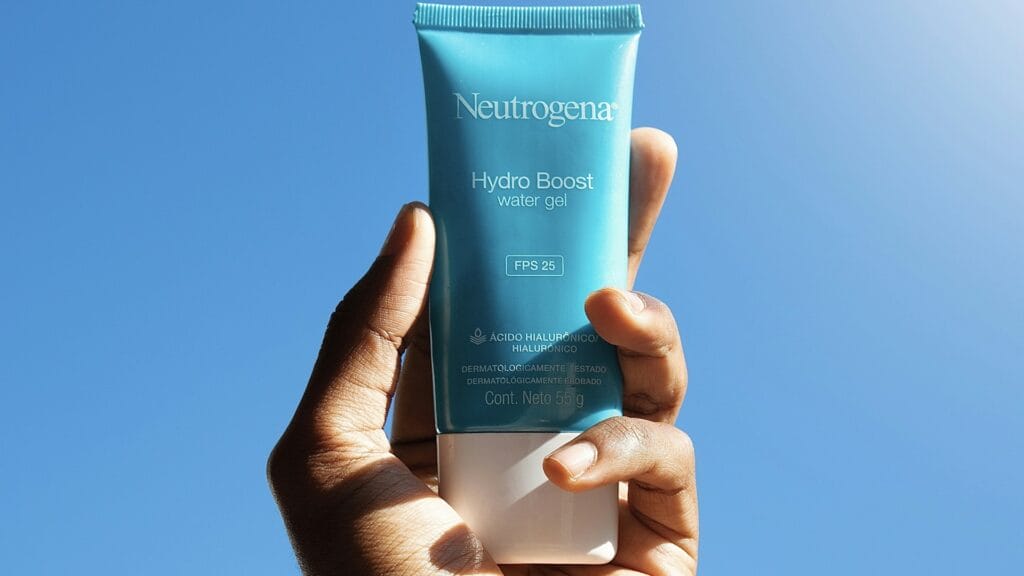
| Gel-based | Oily, acne-prone | Neutrogena Clear Face SPF 55 ($12) | Oil-free, light texture | May pill under makeup |
| Powder | Reapplication | Colorscience Sunforgettable SPF 50 ($50) | Easy to reapply | Less protection alone |
Common Mistakes When Layering Sunscreen and Acne Treatments
- Applying sunscreen too soon after acne treatment (wait 5–10 minutes).
- Using too little sunscreen (a nickel-sized amount for face).
- Skipping moisturizer before sunscreen—leads to irritation.
- Mixing benzoyl peroxide with sunscreen directly—spot-treat first.
- Choosing sunscreen with fragrance or alcohol—can sting breakout-prone skin.
- Relying on SPF in makeup instead of dedicated sunscreen.
Best Practices for Breakout-Free Protection
- Start with a gentle cleanser—avoid sulfates.
- Apply acne treatments only as directed, not more frequently.
- Use a lightweight, non-comedogenic moisturizer after actives.
- Select a sunscreen with zinc oxide or titanium dioxide.
- Wait between each layer to prevent pilling and ensure absorption.
- Reapply sunscreen every 2 hours, especially if outdoors. Use a powder SPF for easy touch-ups.
Expert Insight on Hyaluronic Acid and Sunscreen
For those using hyaluronic acid serums, layer them after cleansing but before acne treatments. Hyaluronic acid helps hydrate without clogging pores, and it pairs well with most sunscreens. However, avoid combining it with strong acids like glycolic acid in the same session—use one in the morning and the other at night. The editorial team at Beaute Cosmetic recommends a simple rule: if a product tingles or burns, it’s too strong. Switch to gentler alternatives.
Incorporating Retinoids Without Irritation
Retinoids (like tretinoin or adapalene) are powerful acne fighters but increase sun sensitivity. Always use them at night and apply a rich, non-comedogenic moisturizer over them. In the morning, wash your face and apply a mineral sunscreen with at least SPF 30. Avoid vitamin C or AHAs in the same routine if your skin is sensitive. A popular option for U.S. users is Differin Gel (adapalene) combined with Cerave AM SPF 30. This duo provides effective acne control and sun protection without breakouts.
Detaylı bilgi ve ek kaynaklar için resmi Vikipedi adresini ziyaret edebilir veya ilgili belgelere göz atabilirsiniz.
Sıkça Sorulan Sorular
Should I apply sunscreen before or after acne cream?
Apply acne treatments first on clean, dry skin, then wait 2–3 minutes. Follow with moisturizer, then sunscreen. Sunscreen should be the last step to create a protective barrier. This order ensures active ingredients absorb and SPF remains effective.
Can I mix sunscreen with my acne moisturizer?
No, mixing can dilute the SPF and reduce its protective power. Always apply sunscreen as a separate, final layer. Choose a non-comedogenic, oil-free sunscreen to avoid breakouts.
What type of sunscreen is best for acne-prone skin?
Mineral sunscreens with zinc oxide or titanium dioxide are usually best because they are non-irritating and sit on the skin’s surface. Look for ‘non-comedogenic’ and ‘oil-free’ labels. Gel-based or powder sunscreens are also good options.
Does sunscreen cause acne breakouts?
Some sunscreens with heavy oils, fragrances, or chemical filters can clog pores and trigger breakouts. Choose non-comedogenic, fragrance-free formulas. Mineral sunscreens are less likely to cause acne.
How long should I wait between applying acne treatment and sunscreen?
Wait 2–5 minutes for acne treatments to absorb before moving to the next layer. This prevents pilling and ensures both products work effectively. If using a retinoid at night, skip morning application.
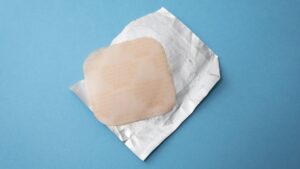
Can I use acne patches under sunscreen?
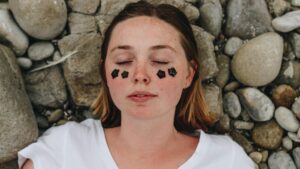
It’s best to apply acne patches after sunscreen, as they need direct contact with the pimple. However, sunscreen over patches may reduce adhesion. Consider using patches at night instead.
What are the best acne-friendly sunscreens at drugstores?
Popular U.S. options include Neutrogena Clear Face SPF 55, La Roche-Posay Anthelios Mineral SPF 50, and CeraVe AM Facial Moisturizing Lotion SPF 30. All are non-comedogenic and widely available.
Should I moisturize if I have oily acne-prone skin?
Yes, even oily skin needs hydration. Use a lightweight, oil-free moisturizer before sunscreen. Skipping moisturizer can lead to increased oil production and irritation from treatments.
Layering sunscreen and acne treatments doesn’t have to cause breakouts. By following the correct order—cleanser, acne treatment, moisturizer, then sunscreen—and choosing non-comedogenic, mineral-based SPFs, you can protect your skin without clogging pores. Remember to wait between steps, reapply sunscreen regularly, and listen to your skin’s signals. For more expert skincare guidance, explore other articles on Beaute Cosmetic, such as our guide to vitamin C serums for brightening. Your clear, protected complexion starts with the right routine.
- Sunscreen and acne treatments ile ilgili son gelişmeler, kullanıcı deneyimlerini olumlu yönde etkilemektedir.
- Uzmanlar, sunscreen and acne treatments kullanımında bu rehberde belirtilen adımların takip edilmesini önermektedir.
- Gelecek güncellemelerle birlikte sunscreen and acne treatments alanındaki yeniliklerin daha da genişlemesi bekleniyor.