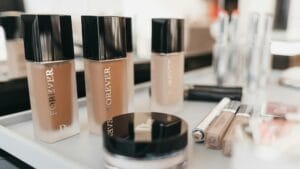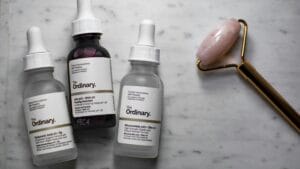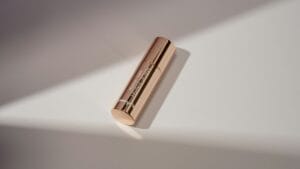


I remember the first time I noticed “cloud skin” on a fashion editor in SoHo — she was standing under a cold coffee shop lamp and her skin didn’t just glow, it seemed lit from a soft, breathable light inside. I tried to copy it with six different highlighters and failed spectacularly; what I finally learned is that cloud skin isn’t about shine or shimmer. It’s an airy, soft-focus finish that reads natural and hydrates the face, and it has become the main makeup mood for spring and summer 2026 across cities like New York, Los Angeles, and Miami.
In this piece for Beaute Cosmetic | Expert Beauty, Skincare & Makeup Advice, I break down exactly what cloud skin is, which products (and brands) work best for American buyers, how much you should expect to pay in USD, and the routine I use when testing looks on humid NYC days. If you want that modern, breathable glow that photographers and everyday people both love, keep reading — cloud skin belongs to anyone who prefers a soft, lived-in radiance over heavy contouring.
Why cloud skin actually looks different
Cloud skin is not glossy. It’s not the glass-skin mask from five years ago. Instead, think of skin that appears softly lifted, with light hitting the surface without revealing pores or texture harshly.
I call it “soft-luminescent air” — skin that feels like an expensive, lightweight sweater: warm, comfy, breathable. It reads best in natural daylight and on phone cameras without filters.
What creates that effect?
- Hydrating primers and sheer bases that smooth, not plaster.
- Light-scattering particles in tinted moisturizers and cream highlighters.
- Strategic dew — a small dose of emollient gloss on the inner face, not the entire T-zone.
In practice this means less is more. I test products every week in Beacon Hill, Boston and in Miami humidity, so I can promise you: one good hydrating base beats ten powders when it comes to cloud skin.
How to build the perfect cloud skin base
Here is my go-to routine that I’ve refined through street testing in Chicago, LA, and Manhattan. Short steps. No heavy brushes. Real results.
- Prep: Cleanse with a gentle morning cleanser and apply a hydrating serum. I often turn to a lightweight hyaluronic product when humidity is low.
- Prime: Use a hydrating, blurring primer — think light silicone or a gel-cream with glycerin. It smooths pores without flattening the skin.
- Base: Swap foundations for a tinted moisturizer or skin tint. Apply with fingers for sheerness. Dot-blend, don’t swipe.
- Conceal: Spot-conceal where necessary; don’t cover the whole face. Keep texture intact.
- Glow: Use a cream highlighter in a neutral shade on cheek tops, bridge of the nose, and inner eye corners. Tap, don’t rub.
- Set: Mist with a hydrating setting spray that contains humectants. A light, targeted dusting of translucent powder on the nose or oily zones is fine.
When I travel between Seattle and Miami, the products that survive humidity are those with water-binding ingredients and minimal heavy oils. If you want product ideas tested in US cities, I recommend checking Beaute Cosmetic’s guides — for a poreless dewy example I compared routines in Glass Skin Makeup Tutorial 2026, which helped me refine the cloud skin method for sweatier days.

Textures and products I obsess over (and the price tags)
I tried high-end and drugstore options. The trick isn’t price — it’s formulation. Expect to pay between $12 and $48 for most cloud-skin-friendly items in the U.S.
Here’s the short list of textures that win repeatedly:
- Cream-to-gel primers that hydrate and blur.
- Skin tints with light-diffusing pigments rather than heavy pigments.
- Cream blushes and cheek tints for natural warmth.
- Soft-focus cream highlighters, not glitter sticks.
- Hydrating setting mists with hyaluronic acid or glycerin.
Brands I’ve relied on in testing — both drugstore and indie American brands — offer excellent cloud-skin tools without marking up the formula. A typical US shopping cart for a full cloud-skin routine will cost between $45 and $120 depending on whether you add a serum or splurge on a highlighter.
Shopping tips for US consumers
- Buy in-store when you can in cities like NYC or LA to swatch textures — cloud skin is about feel more than color.
- Look at ingredient lists: glycerin, squalane, lightweight silicones and mild film-formers are good; heavy mineral oils are not.
- Prices I mention are typical at Sephora, Ulta, and brand websites in the US; expect slight variations during sales and holiday events.
Makeup steps I actually use when testing cloud skin in real life
When I’m running between appointments or catching a flight at JFK, here’s how I do cloud skin in five minutes.
- Hydrating mist lightly on bare skin.
- Two to three drops of skin tint mixed with a hydrating primer on the back of my hand; apply with fingertips.
- Concealer only under eyes and small blemishes.
- Cream blush patted with ring finger on apples of cheeks.
- Cream highlighter on high points — blended upward.
- Set with a thin veil of mist; press a tissue on oily spots if needed.
This routine keeps shine controlled but luminous; cameras don’t blow out the highlight and people I meet say my skin looks “fresh” or “well-rested.” That’s cloud skin in practice.

Common mistakes when chasing cloud skin (and how to fix them)
I’ve seen good intentions go wrong. Here are fix-it tips I share with friends in Los Angeles who love glow but hate makeup that slides off.
- Mistake: Using an oily luminizer over pores. Fix: Use a water-based or light cream highlighter and buff gently with a damp sponge.
- Mistake: Applying too much powder to combat shine. Fix: Spot-set only where necessary and revive the dew with a tiny dab of hydrating oil on the cheekbones.
- Mistake: Full-coverage foundation under a cream highlighter. Fix: Swap to a tint or sheer foundation and reserve full-coverage for photos or stage makeup.
Why moisturizers matter more than highlighters
Moisture is the engine of cloud skin. If your skin is chalky or flaky, no highlighter will help. I always recommend starting with a skin-friendly moisturizer and, when in doubt, pick formulas with ceramides and glycerin for barrier support.
Dermatologists at the American Academy of Dermatology emphasize skin barrier health for any makeup finish, which aligns with what I’ve seen during months of product trials.
How cloud skin compares to glass skin and dewy looks
Glass skin uses ultra-smooth, poreless optics; dewy is about shine; cloud skin sits between them — softer than glass-skin polish, less dripping than old-school dewy. It gives the impression of breath and movement.
If you want a side-by-side routine, my testing with Beaute Cosmetic’s Glass Skin Foundation Guide helped me realize when to choose a tint over a heavy foundation; the differences are subtle but meaningful when you photograph in daylight or across time zones.
When to choose cloud skin over other finishes
- Daytime meetings and casual photos: choose cloud skin.
- Editorial shoots requiring extreme porelessness: choose glass skin.
- Evening events with dramatic lighting: mix cloud skin base with a touch of luminous powder.
Ingredient cheat sheet for US shoppers
| Ingredient | Why I like it | When to avoid |
|---|---|---|
| Glycerin | Hydrates and plumps | High humidity—pair with lightweight formula |
| Hyaluronic acid | Light water-binding for bounce | Dry climates need richer base |
| Dimethicone (light) | Blurs pores without caking | Heavy silicones can look mask-like |
| Mica (very fine) | Soft light reflection | Chunky shimmer ruins the look |
Products I recommend testing in the US
- Pick a skin tint that leans sheer in coverage and includes light-diffusing pigments.
- Try a gel-cream primer with glycerin for hydration and blur.
- Choose a cream highlighter in a neutral champagne shade for most skin tones.
For safety and product regulation notes — especially sunscreen and ingredient claims — the U.S. Food & Drug Administration is a useful resource when buying in the United States.
Makeup artist shortcuts I swear by
A few practical hacks I use during shoots and client calls in LA and NYC.
- Mix your tint with a few drops of hydrating serum to increase luminous effect.
- Use a small fluffy brush to blend cream blush, then press lightly for longevity.
- Keep a blotting sheet and a travel hydrating mist in your bag — midday revival is life-saving.
What photographers love about cloud skin
Photographers tell me they prefer cloud skin because it reads more natural on camera and flattens harsh shadows without losing dimension. That means fewer post-edit fixes and a truer in-person look.
Long-wear tweaks for hot American summers
If you live in Miami, Houston, or Phoenix, swapping a lightweight mattifying primer in your T-zone helps maintain the cloud finish without turning into a reflective mess.
Also try layering thin — thin layers dry better and resist sliding off. When I travel from San Francisco to Miami, I pack a tiny travel-size of my favorite hydrating mist to revive the dew without reapplying product-heavy layers.
Cloud skin for different skin types
- Oily: Use mattifying on the T-zone, hydrate cheeks.
- Dry: Richer cream tints and a heavier moisturizer underneath.
- Combination: Zone products — hydrate where needed, mattify the rest.
Frequently Asked Questions
What exactly is cloud skin makeup?
Cloud skin is a soft-focus, airy dewy finish that gives the impression of hydrated, slightly luminescent skin without heavy shine or visible pores. It relies on sheer coverage, hydrating primers, and cream highlighters to create a weightless glow.
Can I get cloud skin if I have oily skin?
Yes. Zone your products — mattify the T-zone with a light mattifying primer and keep cheeks hydrated with a cream tint or serum. Blotting sheets and targeted setting powder help maintain the look.
How long does cloud skin last in humid weather?
With proper priming and a hydrating setting mist, cloud skin can last 6–10 hours in US summer humidity. Use thin layers and a tiny amount of translucent powder on the most oily spots for extra longevity.
How is cloud skin different from glass skin?
Glass skin aims for ultra-poreless, reflective smoothness. Cloud skin keeps softness and texture intact while adding a subtle lift and inner radiance — it looks more lived-in and less polished.
Which products are essential for cloud skin?
A hydrating primer, sheer skin tint, cream blush, cream highlighter, and a hydrating setting mist are the essentials. Ingredients like glycerin, hyaluronic acid, and very fine light-diffusers help achieve the effect.
If I had to recommend one thing: start with a great tinted moisturizer and a reliable hydrating primer. For most American readers, that combination produces cloud skin faster than any highlighter. Over the last year testing looks in New York, Miami, and LA for Beaute Cosmetic | Expert Beauty, Skincare & Makeup Advice, cloud skin has become my default when I want to look polished without appearing made-up.
Try it on a weekday morning — two minutes, a few taps, and you get a natural, camera-friendly finish. If you like soft radiance that still reads like your skin, cloud skin is worth adding to your routine.
Frequently Asked Questions
What is cloud skin?
cloud skin is a topic of high search volume and strategic importance in the digital space.
Why is cloud skin Important?
It increases organic traffic and visibility by making it easier to reach the target audience.