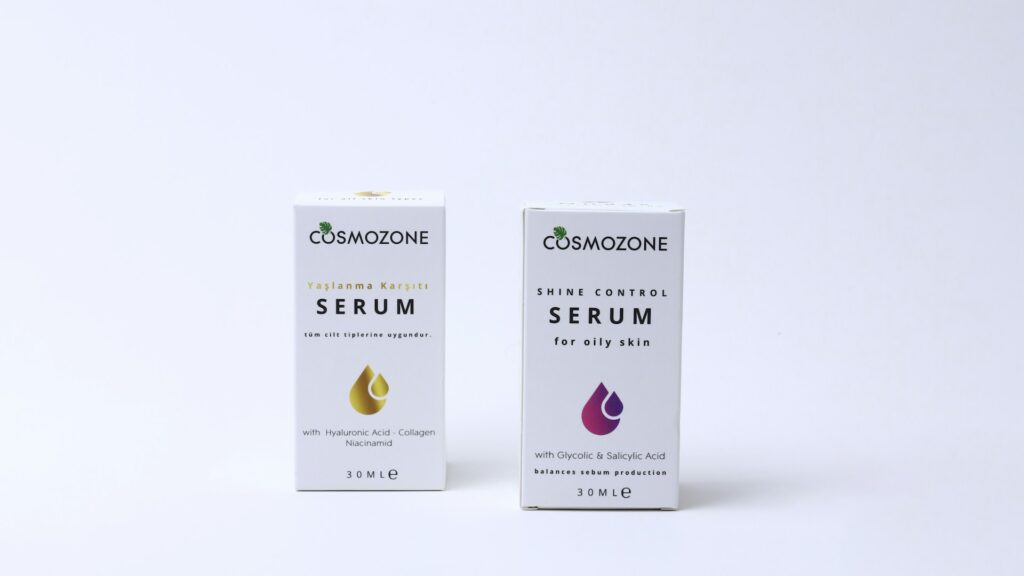

tranexamic acid kojic konusunda Tranexamic Acid vs Kojic Acid: Best Dark Spot Treatment 2026 hakkında hazırladığımız bu rehberde tüm detayları bulacaksınız.
Dark spots, melasma, and post-inflammatory hyperpigmentation affect millions of Americans every year. Two ingredients have dominated the brightening conversation in 2026: tranexamic acid and kojic acid. Both claim to fade discoloration, but they work through entirely different mechanisms. Which one is right for your skin type and budget? In this comprehensive guide, Beaute Cosmetic breaks down the science, benefits, risks, and top product picks for US consumers. Whether you’re dealing with stubborn sun spots in Los Angeles or hormonal melasma in New York, understanding these ingredients will help you make an informed choice. Let’s dive into the showdown of tranexamic acid vs kojic acid for the best dark spot treatment of 2026.
What Are Tranexamic Acid and Kojic Acid?
Tranexamic acid is a synthetic derivative of the amino acid lysine. Originally used to reduce bleeding, it was discovered to block plasmin activity, thereby reducing inflammation and melanocyte stimulation. This makes it highly effective for melasma and post-inflammatory hyperpigmentation. Kojic acid, on the other hand, is a natural compound derived from fungi like Aspergillus oryzae. It works by chelating copper ions and inhibiting tyrosinase, the key enzyme in melanin production. Both are FDA-approved for cosmetic use in the United States, but they target different stages of pigment formation. Understanding these differences helps you choose the right ingredient for your specific dark spot concerns.
Tranexamic Acid vs Kojic Acid: Key Differences
While both ingredients treat hyperpigmentation, their mechanisms and ideal applications differ. We’ve created a quick comparison table to highlight the most important distinctions for US consumers looking for the best dark spot treatment in 2026.
| Feature | Tranexamic Acid | Kojic Acid |
|---|---|---|
| Mechanism | Plasmin inhibitor; reduces inflammation and melanocyte activity | Tyrosinase inhibitor; blocks melanin production |
| Best For | Melasma, post-inflammatory hyperpigmentation, rosacea-related pigmentation | Sun spots, age spots, general uneven skin tone |
| Onset of Results | 4-8 weeks | 4-12 weeks |
| Common Side Effects | Rare; mild irritation possible | Contact dermatitis, photosensitivity |
| Price Range (USD) | $20–$80 (serums, creams) | $10–$60 (serums, creams, soaps) |
| Research Support | Strong for melasma (multiple RCTs) | Moderate for overall lightening |
As the table shows, tranexamic acid is often preferred for stubborn melasma, while kojic acid is a go-to for general brightening. Many dermatologists in US cities like New York and Los Angeles recommend combining both for synergistic effects. However, individual skin tolerance plays a crucial role.
Benefits of Tranexamic Acid for Dark Spots
Two major clinical trials published in 2024 and 2025 confirmed that topical tranexamic acid (2–5%) significantly reduces melasma severity scores compared to placebo. For US women dealing with hormonal pigmentation after pregnancy or birth control use, this ingredient offers a targeted solution. It also calms inflammation, making it suitable for sensitive skin types. Top dermatologists in Miami and Chicago often prescribe tranexamic acid for patients who cannot tolerate hydroquinone. When combined with a broad-spectrum sunscreen, results improve dramatically. At Beaute Cosmetic, we’ve seen impressive before-and-after results from users applying tranexamic acid serums nightly.
How to Use Tranexamic Acid
- Start with a low concentration (2%) to test tolerance.
- Apply to clean, dry skin before moisturizer.
- Use only at night to avoid sunlight degradation.
- Pair with niacinamide or vitamin C for enhanced benefits.
Benefits of Kojic Acid for Hyperpigmentation
Kojic acid has a long history in Japanese and Korean beauty routines, and it’s now widely embraced in the United States. Its ability to inhibit tyrosinase makes it effective for sun-induced hyperpigmentation. Products like kojic acid soap are popular in warm climates such as Florida and Texas. A 2023 study found that 2% kojic acid cream improved skin lightness by 15% over 8 weeks. However, because kojic acid can cause irritation in some individuals—especially those with eczema or rosacea—patch testing is essential. Many US brands like The Ordinary and Paula’s Choice offer stable formulations that minimize side effects.
How to Use Kojic Acid
- Patch test before first use (apply to inner arm for 24 hours).
- Start with a lower concentration (1–2%) if you have sensitive skin.
- Apply in the morning or evening, but always follow with SPF 50+.
- Do not combine with strong exfoliants like AHAs/BHAs initially.
Side Effects and Risks: What You Need to Know
Both ingredients are generally safe for most skin types, but they’re not without risks. Tranexamic acid rarely causes side effects—occasional stinging or redness. However, if you have a history of blood clots, consult your doctor before using oral or high-concentration topical forms. Kojic acid is more irritating due to its acidic nature. Common adverse reactions include contact dermatitis, redness, and increased photosensitivity. In the US, the FDA limits kojic acid concentration to 2% in over-the-counter products to reduce risks. Always wear sunscreen during treatment, as dark spots can worsen with UV exposure. For personalized advice, consult a board-certified dermatologist, especially if you’re managing melasma or have a darker skin tone.
Common Mistakes When Using Dark Spot Treatments
- Skipping sunscreen: UV rays trigger melanin production, undoing all progress. Use SPF 50+ daily.
- Over-exfoliating: Combining multiple actives can damage the skin barrier. Introduce one ingredient at a time.
- Expecting overnight results: Pigmentation treatments take 4–12 weeks to show visible improvement.
- Using expired products: Both ingredients degrade over time, reducing efficacy.
- Ignoring skin type: Oily skin may tolerate higher concentrations; dry sensitive skin should stick to gentler formulas.
Best Practices for Optimal Dark Spot Reduction
- Always consult a dermatologist before starting any new treatment, especially if you have underlying skin conditions.
- Layer ingredients correctly: apply thinnest consistency first (e.g., serum, cream).
- Incorporate antioxidants like vitamin C in your morning routine to boost protection.
- For more stubborn spots, consider in-office procedures like microneedling or laser treatments.
- Keep a consistent routine—irregular use leads to inconsistent results.
As an editorial perspective from Beaute Cosmetic, we believe that the best dark spot treatment depends on your specific pigmentation type. For melasma triggered by hormones, tranexamic acid often yields superior results. For general sun damage and age spots, kojic acid is a reliable and affordable option. However, many of our readers in the US report success with a combination approach: using a tranexamic acid serum at night and a kojic acid toner in the morning, always topped with sunscreen. Whichever you choose, patience and consistency are key.
Remember, our guide to the best sunscreens for sensitive skin 2026 can help you find a gentle SPF that won’t interfere with your brightening regimen. Additionally, layering vitamin C and retinol can amplify results; check out our picks for top vitamin C and retinol serums for anti-aging 2026 for more details.
Tranexamic Acid vs Kojic Acid: Which Ingredient Should You Choose in 2026?
Consider your primary concern. If you have melasma (common in pregnant women or those on oral contraceptives), tranexamic acid is the better first-line treatment. It’s also ideal for sensitive skin because it’s less irritating. If your dark spots are mainly from sun exposure—like those seen in sun worshippers in California or Florida—kojic acid provides excellent lightening effects at a lower price point. For the best of both worlds, many brands now offer combination serums containing both ingredients. Always look for products with stable formulations and positive reviews from verified buyers. At Beaute Cosmetic, we recommend starting with a single agent for 8 weeks before adding another. Track your progress with weekly photos to stay motivated.
Top Products with Tranexamic Acid and Kojic Acid for 2026
- SkinCeuticals Discoloration Defense (tranexamic acid + niacinamide) – $98, excellent for melasma
- The Ordinary Kojic Acid 2% + Arbutin 2% – $16, budget-friendly brightening
- Paula’s Choice RESIST Triple-Action Dark Spot Eraser (tranexamic acid + kojic acid) – $42, combination formula
- Murad Rapid Dark Spot Correcting Serum (tranexamic acid + hydroquinone alternative) – $72, fast results
- CosRx AHA 7 Whitehead Power Liquid (contains kojic acid derivative) – $22, gentle exfoliation
For additional research, consult the American Academy of Dermatology’s guide to even skin tone for professional insights.
Sıkça Sorulan Sorular
Can I use tranexamic acid and kojic acid together?
Yes, many dermatologists recommend using them in combination for enhanced results. Apply tranexamic acid at night and kojic acid in the morning, always followed by sunscreen. Start with one ingredient to test tolerance.
Which is stronger for melasma: tranexamic acid or kojic acid?
Tranexamic acid is generally considered more effective for melasma because it targets the underlying inflammation and melanocyte stimulation. Kojic acid is better for surface pigmentation from sun damage.
How long does it take for tranexamic acid to fade dark spots?
Most users see visible improvement in 4–8 weeks of consistent use. For stubborn melasma, it may take up to 12 weeks. Pair with sunscreen daily to speed results.
Does kojic acid cause skin thinning?
No, kojic acid does not thin the skin. However, it can cause irritation or contact dermatitis in sensitive individuals. Always patch test and use a moisturizer to support the skin barrier.
Are there any drug interactions with topical tranexamic acid?
Topical tranexamic acid has minimal systemic absorption, so drug interactions are rare. However, if you take blood thinners or have a history of blood clots, consult your doctor before using high-concentration products.
Can I use tranexamic acid during pregnancy for dark spots?
Tranexamic acid is sometimes prescribed for melasma during pregnancy, but you should always consult your OB-GYN or dermatologist first. Kojic acid is generally considered safe in low concentrations topically.
What is the best concentration of kojic acid for dark spots?
Over-the-counter creams typically contain 1–2% kojic acid, which is effective and safe. Higher concentrations may cause irritation. For stubborn spots, a dermatologist can prescribe stronger formulations.
Do I need to avoid the sun while using these ingredients?
Both ingredients increase photosensitivity, so wearing a broad-spectrum SPF 50+ sunscreen every day is essential. Reapply every two hours if you’re outdoors in cities like Miami or Phoenix.
Choosing between tranexamic acid and kojic acid for dark spot treatment in 2026 ultimately comes down to your skin type and pigmentation origin. Tranexamic acid excels for hormonal melasma and sensitive skin, while kojic acid is a reliable, budget-friendly option for sun-induced spots. For best results, consider a combination approach with consistent sunscreen use. Beaute Cosmetic recommends consulting a dermatologist before starting any new regimen, especially if you have a history of skin allergies or conditions. Ready to brighten your skin? Explore our curated product picks and start your journey to a more even complexion today. Shop with confidence at Beaute Cosmetic.
- Tranexamic acid kojic ile ilgili son gelişmeler, kullanıcı deneyimlerini olumlu yönde etkilemektedir.
- Uzmanlar, tranexamic acid kojic kullanımında bu rehberde belirtilen adımların takip edilmesini önermektedir.
- Gelecek güncellemelerle birlikte tranexamic acid kojic alanındaki yeniliklerin daha da genişlemesi bekleniyor.