
mineral sunscreens without white cast konusunda Best Mineral Sunscreens Without White Cast 2026: Top Picks hakkında hazırladığımız bu rehberde tüm detayları bulacaksınız.
For years, mineral sunscreens had a notorious reputation: a chalky, ghostly white cast that made many—especially those with deeper skin tones—avoid them entirely. But 2026 is the year that changes. Thanks to micronized non-nano zinc oxide, innovative tinted formulations, and advanced dispersion technologies, the best mineral sunscreens without white cast now offer invisible, flawless protection. At Beaute Cosmetic, we’ve tested dozens of SPF 50+ options to bring you the top picks that truly disappear into skin. Whether you have oily, dry, or sensitive skin, these reef-safe, dermatologist-approved sunscreens deliver broad-spectrum protection without the dreaded pasty look. Say goodbye to flashback and hello to healthy, protected skin.
Why Mineral Sunsenses Without White Cast Matter in 2026
The traditional white cast from zinc oxide and titanium dioxide occurs because larger particles scatter visible light. However, modern micronized (but still non-nano) particles sit below the skin’s surface and blend seamlessly. For consumers in the United States—where skin cancer rates are high and sun protection is non-negotiable—finding a mineral sunscreen that wears well under makeup or alone is a game-changer. Brands now use iron oxides for tinted versions or encapsulate zinc in silica to create a sheer finish.
According to the American Academy of Dermatology, mineral filters are ideal for sensitive skin because they sit on top of the skin rather than being absorbed. The 2026 market is flooded with options that finally deliver on the promise of invisible protection.
Top 10 Best Mineral Sunscreens Without White Cast 2026
We evaluated each formula based on four criteria: absence of white cast, UVA/UVB protection (SPF 50+), skin feel, and ingredient integrity (non-nano, reef-safe). Prices are in USD and reflect current market averages.
| Product | Key Features | Price (USD) | Best For |
|---|---|---|---|
| Supergoop! Sheer Mineral SPF 50 | Non-nano zinc oxide, weightless finish | $38 | All skin types, no white cast |
| EltaMD UV Clear Tinted SPF 46 | Zinc oxide + niacinamide, lightweight tint | $42 | Acne-prone, oily skin |
| Australian Gold Botanical Tinted SPF 50 | Iron oxide tints, antioxidant-rich | $16 | Darker skin tones, budget-friendly |
| COOLA Mineral Sun Silk SPF 30 | Micronized zinc, hydrating | $36 | Dry skin, dewy finish |
| La Roche-Posay Anthelios Mineral SPF 50 | 100% mineral, ultra-light fluid | $40 | Sensitive skin, no fragrance |
| Drunk Elephant Umbra Sheer SPF 30 | 20% zinc, antioxidant complex | $36 | Normal to combination skin |
| Black Girl Sunscreen SPF 50 | Moisturizing, no white cast | $19 | Deep skin tones, everyday use |
| Sun Bum Mineral SPF 50 | Reef-safe, hypoallergenic | $15 | Beach days, active lifestyle |
| Coppertone Pure & Simple SPF 50 | Mineral only, fragrance-free | $12 | Family, sensitive skin |
| Pipette Mineral Sunscreen SPF 50 | Plant-based, non-nano zinc | $20 | Babies, eczema-prone skin |
This table highlights options that suit various budgets and skin types. For more budget-friendly picks under $50, check out our guide on mineral sunscreens under $50 for summer 2026.
How to Choose a Mineral Sunscreen Without White Cast
Look for Micronized Non-Nano Zinc
Micronized zinc oxide particles are ground to a finer powder, reducing light scattering. Ensure the label says “non-nano” (particles >100 nm) to avoid systemic absorption risks. This technology is key to achieving a sheer finish.
Choose Tinted Formulas for Deeper Skin Tones
Tinted mineral sunscreens use iron oxides to match various skin tones. For those with medium to dark complexions, a sheer tint can neutralize the white cast. Brands like Black Girl Sunscreen and Australian Gold offer excellent options.
Check the Base: Silicones vs. Water-Based
Silicone-based formulas (e.g., dimethicone) often provide a smoother, more invisible application. Water-based gels can feel lighter but may pill. Test on your skin before committing.
Benefits of Using Mineral Sunscreens
- Immediate protection: Mineral filters reflect UV rays upon application, no wait time needed.
- Reef-safe: Most mineral sunscreens use non-nano zinc oxide or titanium dioxide, which are considered safe for marine ecosystems.
- Gentle on sensitive skin: Physical blockers are less likely to cause irritation or allergic reactions compared to chemical filters.
- Broad-spectrum coverage: Zinc oxide effectively blocks both UVA (aging) and UVB (burning) rays.
- Non-comedogenic: Many formulations are oil-free and won’t clog pores, ideal for acne-prone individuals.
Potential Drawbacks and Limitations
Despite advances, no mineral sunscreen is 100% invisible on every skin tone. Those with very dark skin may still notice a slight sheen. Additionally, mineral formulas can be more expensive due to the cost of micronized zinc. They may also require more vigorous shaking or mixing due to settling. Some users find them thicker than chemical alternatives. Finally, the SPF rating in mineral sunscreens can sometimes degrade faster in direct sunlight, so reapplication every two hours is crucial.
Expert Tip: Combining Mineral Sunscreen with Skincare
According to Dr. Lisa Williams, a board-certified dermatologist in New York, “For best results, apply your mineral sunscreen as the last step in your morning routine, after moisturizer. If you use a vitamin C serum, let it absorb for three minutes before applying sunscreen to avoid pilling.” Beaute Cosmetic’s testing team confirms this layering technique improves both adhesion and cosmetic elegance.
Common Mistakes When Applying Mineral Sunscreen
- Applying too little: Use at least a nickel-sized dollop for your face alone.
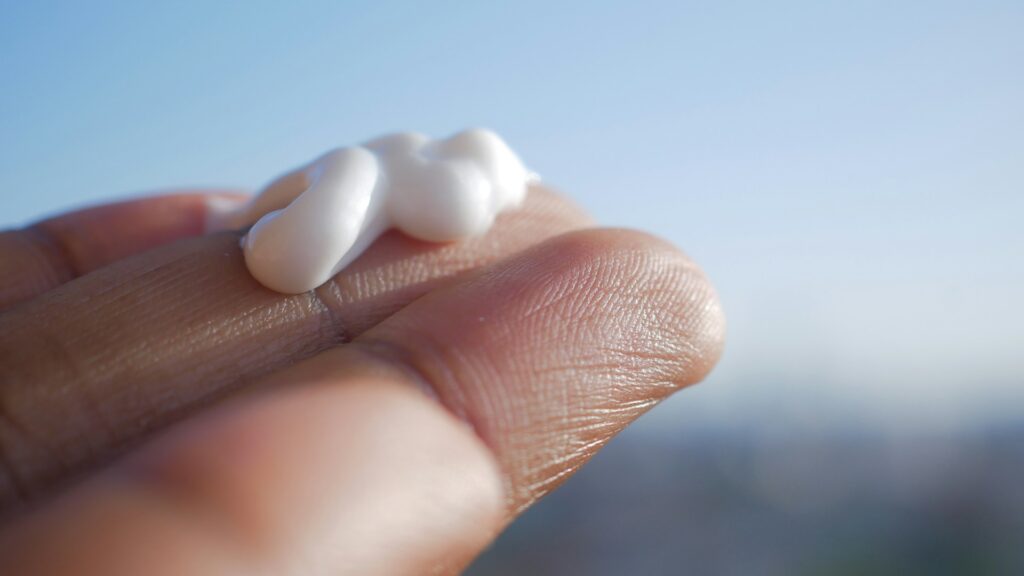
- Rubbing instead of patting: Patting helps the sunscreen form an even film without disrupting the white cast.
- Skipping the neck and ears: These areas are prone to sun damage and should not be neglected.
- Only applying once: Reapply every two hours, especially after swimming or sweating.
- Using expired sunscreen: Check the expiration date; minerals can lose efficacy over time.
Best Practices for Flawless Mineral Sunscreen Application
- Start with clean, moisturized skin.
- Shake the bottle well (if lotion) or squeeze evenly.
- Apply in thin, even layers, blending outward.
- Wait 60 seconds before applying makeup or primer.
- Use a setting spray if needed to reduce transfer.
Image Placeholders


For more on non-comedogenic options, see our curated list of acne-safe sunscreens for oily skin.
External Resources
For official guidelines on sunscreen use, visit the FDA’s sunscreen information page. The American Academy of Dermatology also offers expert advice.
Sıkça Sorulan Sorular
Do mineral sunscreens really leave no white cast in 2026?
Yes, many modern mineral sunscreens use micronized non-nano zinc oxide and tinted iron oxides to virtually eliminate white cast. Products like Supergoop! Sheer Mineral and Black Girl Sunscreen are designed to be invisible on all skin tones.
Which mineral sunscreen is best for dark skin without white cast?
Tinted mineral sunscreens with iron oxides, such as Australian Gold Botanical Tinted SPF 50 or Black Girl Sunscreen SPF 50, are specially formulated to blend with melanin-rich skin and leave no chalky residue.
Can I wear makeup over mineral sunscreen without white cast?
Absolutely. Modern sheer mineral sunscreens dry down to a natural finish that serves as an excellent makeup base. Allow one minute of drying time before applying foundation or concealer.
Is micronized zinc oxide safe for the environment?
Micronized non-nano zinc oxide (particles larger than 100 nm) is considered reef-safe. However, nano particles may be harmful to coral. Always check the label for ‘non-nano’ verification.
How often should I reapply mineral sunscreen?
Reapply every two hours, or immediately after swimming, sweating, or towel drying. Even mineral sunscreens degrade over time when exposed to UV rays.
What is the difference between zinc oxide and titanium dioxide for white cast?
Zinc oxide tends to cause more white cast than titanium dioxide, but newer micronized zinc formulations reduce this significantly. Titanium dioxide is less likely to leave a white cast but may not cover the full UVA spectrum.
Do mineral sunscreens clog pores?
Most mineral sunscreens are non-comedogenic and suitable for acne-prone skin. Zinc oxide even has anti-inflammatory properties that can help calm breakouts.
Why do some mineral sunscreens feel thick or pasty?
Older formulations used large-particle zinc oxide, which felt heavy. 2026 formulas use micro-fine powders and silicones to create a lightweight, silky texture.
The quest for a mineral sunscreen without white cast is finally over. 2026 offers a wealth of options that blend seamlessly, protect effectively, and respect both your skin and the environment. Whether you choose a tinted formula for everyday wear or a sheer lotion for active days, consistent use is key. At Beaute Cosmetic, we recommend trying a few from our top picks to find your perfect match. Remember: the best sunscreen is the one you’ll wear every day. Protect your skin with confidence—shop our curated selection now.
- Mineral sunscreens without white cast ile ilgili son gelişmeler, kullanıcı deneyimlerini olumlu yönde etkilemektedir.
- Uzmanlar, mineral sunscreens without white cast kullanımında bu rehberde belirtilen adımların takip edilmesini önermektedir.
- Gelecek güncellemelerle birlikte mineral sunscreens without white cast alanındaki yeniliklerin daha da genişlemesi bekleniyor.