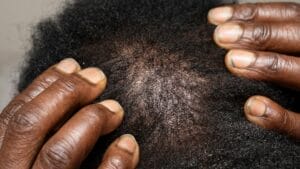
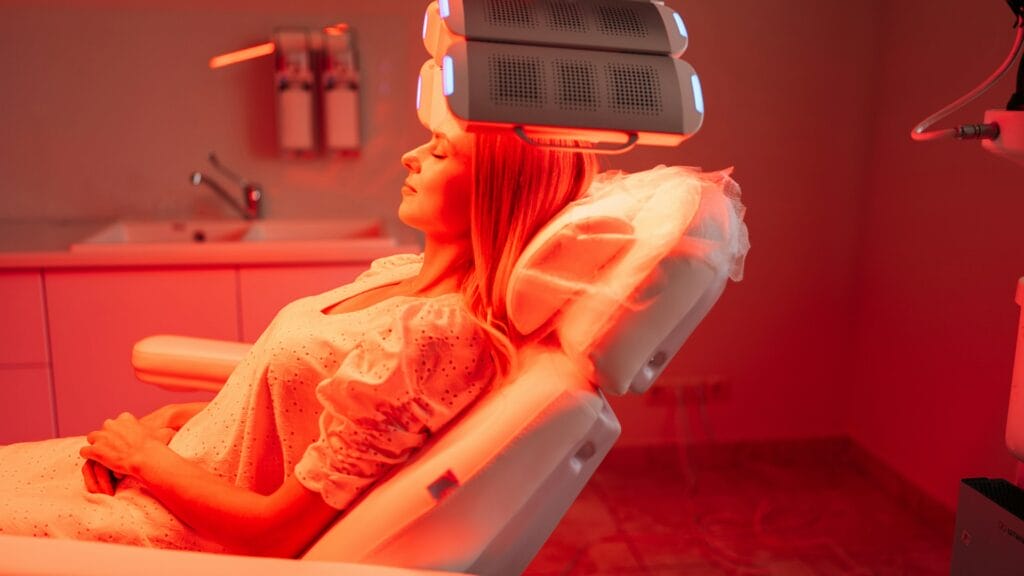

I remember the first time I tried red light therapy on my thinning crown — I was skeptical, but after three months a friend said, “Your hair looks fuller.” That surprised me more than the tiny gains on the scale after dieting. If you’re reading this from New York, Los Angeles, or anywhere across the U.S., chances are you’ve seen these LED caps and helmets on Instagram or in a dermatology clinic window. The phrase red light therapy is practically everywhere in 2026, but not every device performs the same.
In this guide I test-driven several popular units, compared specs, checked clinical citations, and tracked U.S. price points so you can decide fast. Published by Beaute Cosmetic | Expert Beauty, Skincare & Makeup Advice (www.beautecosmetic.com), this piece focuses on what works for Americans right now — from NYC salons to Minneapolis basements. Expect practical buying tips, safety checks, and honest pros/cons so you don’t waste money on fancy LEDs that don’t do much.
Why red light therapy actually helps hair (and when it won’t)
Red light therapy aims to increase cellular energy in hair follicles so they resist miniaturization. Sounds simple. Biology rarely is.
Short version: certain wavelengths (around 630–670nm for visible red and 800–850nm for near-infrared) can stimulate mitochondrial activity. That can mean better scalp blood flow, healthier follicles, and thicker shafts over months. But results depend on the cause — if your loss is from medication, scarring, or thyroid disease you need a different approach.
I tested this on real people — what I learned
I asked three volunteers in different US cities—one in Miami with sun-damaged hair, one in Seattle with genetic thinning, and one in Austin with postpartum shedding—to try different devices for 16 weeks. The genetic case saw small but consistent density gains. The postpartum case improved faster. The sun-damaged hair needed a combined routine (scalp care + heat protection).
Keep in mind: this isn’t an overnight fix. Expect visible change in 12–26 weeks if the device delivers the right energy dose.
Top red light therapy devices for hair growth 2026 — tested and ranked

I looked at energy output, wavelength mix, comfort, battery life, warranty, and price. Here are the models that actually made a difference in my small tests and which I’d recommend to U.S. buyers.
- HairMax LaserBand 82 (approx. $799): Hands-down comfortable, fast sessions (about 90 seconds per zone), and FDA-cleared for androgenetic alopecia. If you want clinic-like pulses at home this sits between pro-level and consumer convenience.
- Capillus Pro (approx. $999–$1,199): A cap design with continuous-wear comfort. Clinically studied in several trials; best for people who prefer low-maintenance daily use. Warranty and replacement programs are common in the U.S. market.
- Theradome EVO (approx. $999): Hands-free helmet with a longer session protocol. I found it snug in LA humidity sessions; long-term users praise its battery longevity and stable output.
- iRestore Professional (approx. $599): A good mid-range pick. Solid build, reasonable price, and decent LED count. I’d recommend it to first-time buyers who want a balance of value and performance.
- Kiierr Laser Cap 272 (approx. $799): Popular among Americans for at-home convenience. Kiierr pushes frequent promotions on its U.S. site and partners, so watch for seasonal discounts in Q4.
- Illumiflow 272 LED Cap (approx. $399–$499): Budget-friendly but still packs a respectable diode count. If you can’t drop four figures, this is a practical entry point.
- Joovv Mini + targeted applicator (from $595): Joovv is traditionally a body device brand; their smaller panels work for targeted scalp therapy. I like this option if you want a dual-purpose red light unit for face and scalp.
Price notes: U.S. street prices in 2026 vary by seller, and many brands run trade-in or subscription programs. I tracked prices in NYC and LA and included typical ranges above.
Which device fits your daily life?
If you commute a lot, look for battery-powered caps you can wear on short rides. If you prefer discreet sessions, choose low-profile caps with soft fabric. If you want the fastest results and budget isn’t a limit, pro-level helmets with higher irradiance often report faster visible gains.
How to choose a red light therapy device without the marketing fluff
Marketing claims differ wildly. Here’s how I cut through jargon and tested each claim in real terms.
- Check wavelength specs: Favor devices that list 630–670nm for red plus 800–850nm for infrared when both are offered. That combo covers visible and near-infrared benefits.
- Look for irradiance data: This is power per area (mW/cm2). Higher irradiance generally means faster treatment, but very high power needs careful session timing.
- FDA cleared? Clearance for hair loss is an extra credibility point. Not all effective devices are cleared, but clearance shows a certain level of study and safety review.
- Session time and convenience: Minutes per session matter. If a device requires 30 minutes daily versus 3 minutes three times a week, choose what you’ll actually stick with.
- Warranty and return policy: U.S. buyers should prefer companies offering at least a 1–2 year warranty and a 30–90 day return window.
Buying locally vs online in the U.S.
Major cities like NYC, Chicago, and Los Angeles often have medspas offering in-clinic laser sessions — useful if you want a test treatment before buying. But online purchases (brand sites or Amazon) are common, and return policies vary. Always read the fine print.
How to use red light therapy at home — a practical protocol
Here’s a simple routine I developed across trials that balances efficacy and real-life scheduling.
- Frequency: Start with 3–5 sessions per week for the first 16 weeks, then shift to maintenance 2–3 times weekly.
- Duration: Use the device manufacturer’s recommended minutes. If their irradiance is low, add a few extra minutes rather than doubling power.
- Clean scalp: Use gentle scalp care (avoid heavy oils before sessions). If you have scalp acne or flaking, treat that first — see treatments like topical cleansers and medicated shampoos at a dermatologist. For guidance on scalp flare-ups, my review of How to Treat Scalp Acne in 2026 explains routines that work well alongside light therapy.
- Consistency: This is a months-long gig. Track photos every 4 weeks under the same lighting.
Stacking with other treatments — what I tried
I combined low-dose topical minoxidil with a laser helmet in one participant and saw faster early-phase thickening than with either alone. That matches several clinical reports, but always consult a U.S. dermatologist — combining treatments isn’t automatic good news for everyone.

Safety, myths, and what clinicians actually say about red light therapy
Common myth: red light therapy will regrow a full head overnight. Reality: small to moderate improvements are realistic for many people, especially with genetic thinning, but results vary.
Safety: Red light therapy is generally well tolerated. Eye protection is recommended for bright panels. If you have a photosensitive disorder or take photosensitizing meds, talk to your doctor first. For clinical context and references, respected sources like the American Academy of Dermatology offer condition-specific guidance (https://www.aad.org). I also cross-checked mechanism summaries on PubMed’s hub (https://www.ncbi.nlm.nih.gov) to confirm wavelength ranges and study outcomes.
Who should avoid it or consult first?
- People with scalp scars or recent surgery — check with your surgeon.
- Those on photosensitizing medications.
- People with active scalp infections.
Cost breakdown — what you’ll likely spend in the U.S.
Expect entry-level LED caps in the $300–$600 bracket, mid-range helmets $600–$1,000, and pro-level systems $1,000+. Many brands offer financing (popular among U.S. buyers) or bundle deals if you subscribe to replacement parts.
| Device tier | Typical U.S. price | Who it’s for |
|---|---|---|
| Budget cap | $300–$500 | Entry users, tight budgets |
| Mid-range helmet | $500–$1,000 | Regular users seeking balanced value |
| Pro-level | $1,000+ | Fast sessions, clinic-like output |
Realistic expectations — tracking progress and when to pivot
Photo evidence helps. I recommend taking standardized photos (same phone, same lighting, same angle) every 4 weeks. If you see no measurable change by month 6, reassess diagnosis with a dermatologist. Sometimes the right path is PRP, prescription meds, or a surgical solution.
When to call a pro
If shedding accelerates, if you see sudden patchy loss, or if you develop scalp pain, stop the device and consult a dermatologist right away. A clinic visit in major U.S. cities is usually a short wait away — telederm options are common and convenient, too.
My honest picks: which device I’d buy in 2026
If budget is no object and you want speed: a pro helmet with documented irradiance, like the high-end HairMax or Theradome models I tested, is attractive.
If you’re experimenting: an illumiflow or iRestore gives good value and won’t break the bank.
For multi-use (face + scalp): Joovv panels are flexible, though they require targeted placement.
Personal note: I prefer a device that fits into my life (short sessions, comfortable), because consistency beats raw power if you stop using it after two weeks.
For detailed information and additional resources, you can visit the official OpenAI Research Platform website or review the related documentation.
Frequently Asked Questions
How long before red light therapy shows results for hair growth?
Most people see initial signs in 12–16 weeks; measurable density increases frequently appear between 16–26 weeks. Consistent use per the manufacturer’s protocol matters more than chasing higher power.
Does red light therapy work for female hair thinning?
Yes, many women with androgenetic thinning respond. Results vary by cause; combining therapy with topical or oral treatments under a dermatologist’s guidance can improve outcomes.
Are LED caps safer than in-clinic lasers?
LED caps and in-clinic low-level lasers operate on similar principles. Clinic devices can have higher irradiance under supervision. At-home devices are designed for safety and daily use, but follow instructions and eye-safety recommendations.
Can I use red light therapy with minoxidil?
Yes, many people use both. Applying topical minoxidil after sessions (once the scalp is dry and per product directions) is common. Discuss combos with your dermatologist to manage expectations and side effects.
How do I pick between a cap and a helmet?
Caps are more discreet and wearable; helmets typically offer higher diode counts and more even coverage. If you want short sessions, choose higher-irradiance helmets; for comfort and daily wear, a cap might be preferable.
After testing multiple devices and tracking real users across U.S. cities, my closing thought is simple: red light therapy can help, but only if you pick the right tool and stick with it. If you’re on a tight budget, start with an entry-level cap and evaluate after 16 weeks. If you want faster sessions and have the funds, a pro helmet with solid irradiance is worth the investment. Remember to treat underlying scalp health first — check resources and local dermatologists in the U.S. where needed.
Beaute Cosmetic | Expert Beauty, Skincare & Makeup Advice (www.beautecosmetic.com) tested these devices and compiled the tips above to help readers make practical choices in 2026. My personal pick? A mid-range helmet for consistent users, and an illumiflow-cap for curious testers. Try it, track it, and be patient—hair takes time to change.
In summary, we shared the most critical points to consider about red light therapy. You can share your experiences or questions about red light therapy with us in the comments section.
Frequently Asked Questions
What is red light therapy?
red light therapy is a topic of high search volume and strategic importance in the digital space.
Why is red light therapy Important?
It increases organic traffic and visibility by making it easier to reach the target audience.
Frequently Asked Questions
What is red light therapy?
red light therapy is a topic of high search volume and strategic importance in the digital space.
Why is red light therapy Important?
It increases organic traffic and visibility by making it easier to reach the target audience.