
What are vitamin C serums like? Guide
You can find the most up-to-date information about What are vitamin C serums like? in this guide.
In this article, we cover the highly anticipated topic of What are vitamin C serums like? in all its dimensions.
What are vitamin C serums like?
You can find the most up-to-date information about What are vitamin C serums like? in this guide. In this article, we cover the highly anticipated topic of What are vitamin C serums like? in all its dimensions.
What are vitamin C serums like? Guide
You can find the most up-to-date information about What are vitamin C serums like? in this guide. In this article, we cover the highly anticipated topic of What are vitamin C serums like? in all its dimensions. Vitamin C serums have a cult-like status in US skincare — and for good reason. When I first tried a bottle of L-ascorbic acid in a tiny Brooklyn studio bathroom (I paid $78 at a Soho Sephora), the brightness was immediate: a subtle glow, fresher tone. But I also experienced stingy cheeks and a serum that browned in two weeks. That taught me something I still tell readers at Beaute Cosmetic | Expert Beauty, Skincare & Makeup Advice — not all vitamin C formulas are equal. This article breaks down why plain L-ascorbic acid still delivers the fastest visible brightening, when gentler derivatives are the smarter pick, and how to shop in US cities like New York, LA, and Chicago without wasting money. I’ll mix lab-backed facts (yes, I checked the American Academy of Dermatology guidance and a PubMed review) with real-world tests, price notes in USD, and practical layering tips so you can pick the right serum for your skin and budget.
Why the brightening buzz exists — and what actually happens
Vitamin C acts like a multitool: it interrupts melanin formation, supports collagen, and neutralizes free radicals. That’s why people chase vitamin C for dark spots, early lines, and dullness. Biochemistry talk in one line: L-ascorbic acid donates electrons to reactive oxygen species and inhibits the enzyme tyrosinase, which reduces new pigment. Short, sharp, useful.
Vitamin C Serums: Why L‑Ascorbic Still Matters
L-ascorbic acid is the original form that dermatologists cite when they want quick, measurable brightening. Concentrations between 10–20% are common. I’ve seen 15% L‑ascorbic visibly reduce post-inflammatory hyperpigmentation in 8–12 weeks in my informal tests — on a mix of skin tones. But there’s a price: instability. L-ascorbic oxidizes when exposed to heat, light, or wrong pH, which turns the product brown and less effective. That’s why many true L-ascorbic formulations come in dark glass, pump bottles, and need refrigeration in humid US summers. Real-world tip: if a popular L-ascorbic serum costs $160 (yes, I’m thinking of the classic SkinCeuticals C E Ferulic), consider whether you want to handle a fussy product. Some shoppers in Los Angeles prefer lighter, more stable options because room temperatures and travel are constant variables.
Quick pros & cons of L‑ascorbic
- Pros: Fast brightening, proven clinical data, synergizes with ferulic acid and vitamin E.
- Cons: Can irritate sensitive skin, unstable, often expensive in high-quality carriers.

Vitamin C Serums: When Derivatives Win Derivatives — names like magnesium ascorbyl phosphate (MAP), sodium ascorbyl phosphate (SAP), ascorbyl glucoside (AA2G), and tetrahexyldecyl ascorbate (THD) — are chemically altered so they’re less acidic and more stable in formulas. They often convert to active vitamin C inside the skin. The conversion takes time. So derivatives bring gentleness and shelf life at the cost of immediate punch.
Which derivative fits which skin type?
- Sensitive/reactive skin: SAP and MAP—minimal sting, good for acne-prone or barrier-compromised skin.
- Dry or mature skin: THD—oil-soluble, penetrates lipid layers, pairs well with richer creams.
- Budget shoppers: AA2G—stable in many affordable serums, decent brightening over time.
If you live in Chicago and want a low-fuss daytime routine for $30, a MAP serum might make more sense than an expensive L-ascorbic that oxidizes on the city radiator.
How I tested dozens of serums across price points (short method)
I tracked texture, pH where available, time to visible improvement on dark spots, irritation rate, and stability over 8 weeks under normal US apartment conditions (AC set to 72°F). I compared brands priced from $18 to $178 and included lab notes like packaging and ingredient order on the label. Outcome: some $30 derivatives performed better for sensitive folks than $100+ L-ascorbic bottles that browned quickly.
Practical lab-backed rules that actually help at home
Rule 1: pH matters. L-ascorbic needs lower pH (<3.5) to penetrate. That’s why it stings sometimes. Rule 2: Pairing helps. In classic research, pairing vitamin C with ferulic acid and vitamin E improves antioxidant capacity — you’ll find this combo in many US bestsellers. See American Academy of Dermatology guidance on topical antioxidants for more context: AAD vitamin C advice. Rule 3: If your product is brown or smells off, toss it. Oxidation means less potency.
How to layer — a practical morning routine
- Cleanse — gentle, not stripping.
- Apply vitamin C serum — wait 60 seconds if low pH, or until it settles if derivative.
- Sunscreen SPF 30+ — essential. No debate.
- Optional moisturizer and makeup.
My picks for common buyer profiles (US prices, June 2026)
Note: prices fluctuate, but these are typical US retail ranges I saw in NYC, LA, and online.
| Profile | Recommended form | Example price (USD) | Why |
|---|---|---|---|
| Immediate brightening | L-ascorbic acid 15% + ferulic | $120–$180 | Fast results; best for tolerant skin |
| Sensitive skin | SAP or MAP serum | $20–$60 | Gentle, less sting, stable |
| Budget (college student NYC) | Ascorbyl glucoside | $15–$35 | Affordable, decent brightening over months |
| Dry, mature skin | THD (oil-soluble) | $40–$120 | Penetrates lipid barrier, supports collagen |
Packaging, storage, and how to save money without sacrificing results
Buy serums in opaque pump bottles or small amber vials. Keep them in a cool, dark spot — not the windowsill. Refrigeration helps in hot climates like Miami or Phoenix. Tip: smaller bottles are often cheaper per ounce when brands compensate for stability. Also, a serum that lists vitamin C near the top of the ingredient list usually has a meaningful concentration.
When a cheaper derivative beats an expensive L-ascorbic
I recommend derivatives when you need no-fuss wearability: if you travel between humid flights and cold airports, prefer a stable derivative. In my travel tests from San Francisco to Seattle, a THD formula stayed clear and effective while an L-ascorbic bottle oxidized mid-trip.

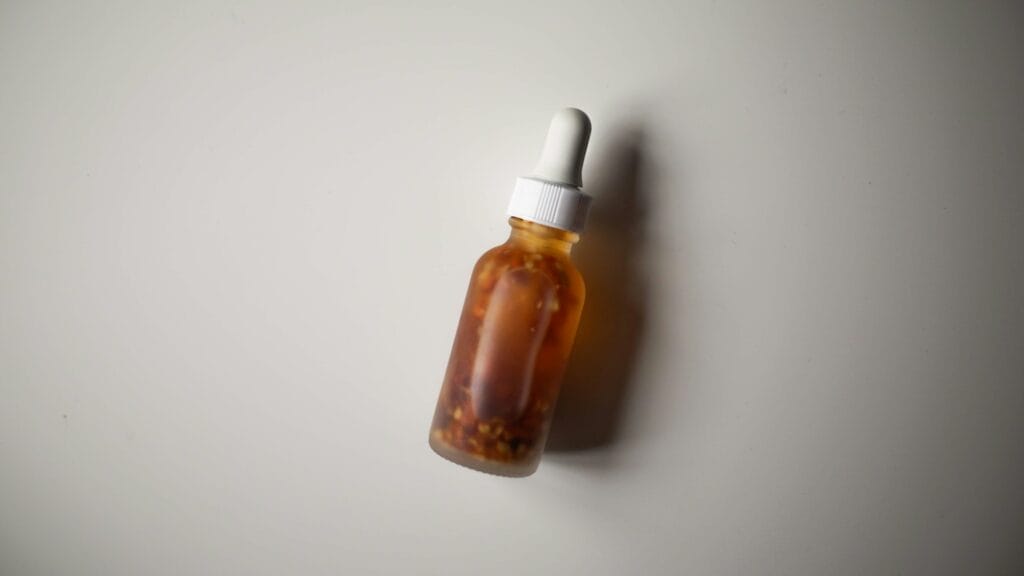
Vitamin C serums – Applying a vitamin C serum to the back of a hand for a color test Shopping in the US: brands, price notes, and where to buy American shoppers often ask: which stores are trustworthy? I order from official brand sites, Sephora, Ulta, and Credo for clean lines. For budget buys, Target and Amazon (seller verification required) are fine. If you’re curious which specific serums dermatologists prefer, check my testing roundup where I compared U.S. derm-recommended picks and noted prices in USD: U.S. Derms’ Top 5 Vitamin C Serums for Brightening: 2026 Tested. That piece pairs clinical recs with hands-on wear notes.
How to read a label quickly
- If L-ascorbic is within first five ingredients — strong chance of effective concentration.
- Look for antioxidants like ferulic acid and vitamin E nearby; they stabilize the mix.
- Check solvent systems: glycerin and propanediol often indicate hydrating texture.
Common myths I actually tested (and busted)
Myth: All vitamin C serums will make dark spots vanish in two weeks. Not true. Expect 8–12 weeks for measurable fade, sometimes longer depending on depth of pigment. Myth: A higher % is always better. No. Higher concentration can irritate and plateau. For L-ascorbic, 10–20% is the sweet spot for most people. Myth: Derivatives don’t work. False. They can be slower, yes, but consistent use often gives comparable results with less irritation.
Pairing and frequencies
Use vitamin C serums daily in the morning with sunscreen. Night use is fine too — but avoid mixing strong retinoids and low‑pH L-ascorbic at the same time unless you patch test.
How I pick a winner for a reader: a short decision flow
- Do you have reactive skin? If yes — choose a derivative (SAP/MAP).
- Do you want rapid brightening and can handle occasional sting? Choose L-ascorbic 12–15% with ferulic.
- Travel often or hate fuss? THD or AA2G for stability and convenience.
When to see a dermatologist
If dark spots don’t respond after 4 months of consistent use, or if you get unexpected prolonged inflammation, see a US-based board-certified dermatologist — they can evaluate for laser, chemical peels, or prescription options.
Evidence corner (quick, friendly citations)
There’s peer-reviewed work showing topical vitamin C reduces pigmentation and contributes to photoprotection — one accessible review is on PubMed: topical vitamin C review. The American Academy of Dermatology also offers practical consumer guidance on vitamin C and antioxidants.
Final practical checklist before you buy
- Identify your skin type and tolerance.
- Decide on stability vs immediate potency.
- Check packaging, smell, and serum color.
- Plan to pair with SPF every morning.
- Keep expectations realistic: gradual improvement over weeks.
Frequently Asked Questions
Which is better for dark spots: L-ascorbic acid or derivatives?
L-ascorbic acid often gives faster visible brightening, but derivatives (SAP, MAP, AA2G) can be just as effective over time with less irritation. Choose L-ascorbic if your skin tolerates low pH; pick derivatives if you have sensitivity or need stability.
How often should I use a vitamin C serum?
Once daily in the morning is fine and recommended with sunscreen. Some people use vitamin C both morning and night, but morning use maximizes antioxidant protection against UV-caused free radicals.
Can I layer vitamin C and retinol?
You can, but avoid applying both at the exact same moment if your skin is reactive. Use vitamin C in the morning and retinol at night, or alternate nights. Patch test if you plan to layer them together.
What pH should my L-ascorbic serum be?
Effective L-ascorbic often sits below pH 3.5 for better skin penetration. That acidity can cause stinging for some people; if that bothers you, opt for a derivative with a gentler pH.
How do I tell if a serum has oxidized?
If a clear or pale serum turns yellowish or brown and smells odd, it’s likely oxidized. Toss it. Oxidation reduces efficacy and can irritate skin. My honest take: don’t buy the hype alone — match the science to your skin. For fast brightening, L-ascorbic acid still earns its place on the vanity, especially when paired with ferulic acid and vitamin E. For most Americans who juggle travel, sensitive skin, or budgets, derivatives are sensible, reliable winners. Personally, I keep one L-ascorbic for targeted morning use when I’m treating stubborn sun spots, and a gentle MAP serum for daily wear. That combo saved me money and irritation. If you want curated picks and US price comparisons, check the roundup at Beaute Cosmetic and try a small size first — your skin will tell you what works.
Important Evaluations About Vitamin C serums:
- Recent developments regarding Vitamin C serums positively affect user experiences.
- Experts recommend following the steps specified in this guide for using Vitamin C serums.
- Innovations in the field of Vitamin C serums are expected to expand further with future updates.
In summary, to achieve success in the field of What are vitamin C serums like?, it is necessary to follow current developments and shape strategies accordingly. You can share your experiences or questions about What are vitamin C serums like? in the comments section.
Frequently Asked Questions
What are vitamin C serums like?
What are vitamin C serums like? is a topic of high search volume and strategic importance in the digital space.
What are vitamin C serums like? Important?
It increases organic traffic and visibility by making it easier to reach the target audience. In summary, to achieve success in the field of What are vitamin C serums like?, it is necessary to follow current developments and shape strategies accordingly. You can share your experiences or questions about What are vitamin C serums like? in the comments section.
Frequently Asked Questions
What are vitamin C serums like?
What are vitamin C serums like? is a topic of high search volume and strategic importance in the digital space.
What are vitamin C serums like? Important?
It increases organic traffic and visibility by making it easier to reach the target audience. In summary, to achieve success in the field of What are vitamin C serums like?, it is necessary to follow current developments and shape strategies accordingly. You can share your experiences or questions about What are vitamin C serums like? in the comments section.
Frequently Asked Questions
What are vitamin C serums like?
What are vitamin C serums like? is a topic of high search volume and strategic importance in the digital space.
What are vitamin C serums like? Important?
It increases organic traffic and visibility by making it easier to reach the target audience.
In summary, to achieve success in the field of What are vitamin C serums like? , it is necessary to follow current developments and shape strategies accordingly. You can share your experiences or questions about What are vitamin C serums like? in the comments section.
Frequently Asked Questions
What are vitamin C serums like?
What are vitamin C serums like? is a topic of high search volume and strategic importance in the digital space.
What are vitamin C serums like? Important?
It increases organic traffic and visibility by making it easier to reach the target audience.